Are ‘Safe’ Tanning Apps Undermining Skin Safety?
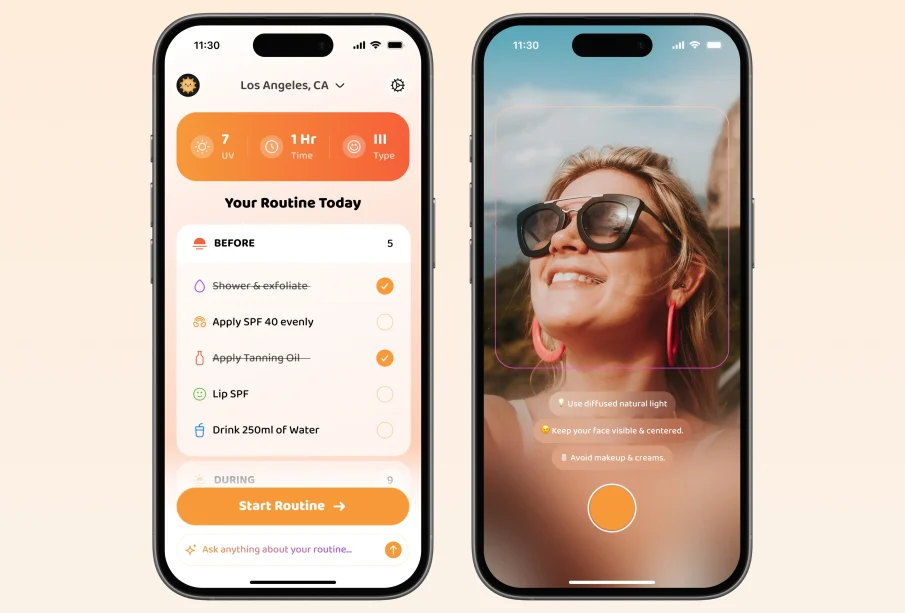
In the age of wellness tech, there’s an app for everything including tanning. A growing number of mobile apps now promise “safe” sun exposure routines, personalized UV timing, and controlled tanning schedules. On the surface, they sound responsible. But public health experts warn that these apps may actually undermine decades of skin cancer prevention efforts.
Here’s what you need to know.
The Rise of “Safe Tanning” Apps
Many tanning apps claim to help users:
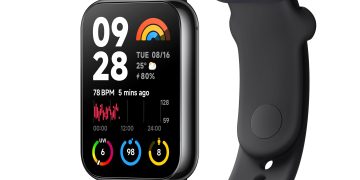
- Track UV index levels in real time
- Calculate “optimal” tanning windows
- Prevent sunburn by timing exposure
- Gradually build a tan through scheduled sessions
They often position themselves as tools for responsible sun exposure not reckless sunbathing. Some even integrate local weather data and skin type assessments.
But here’s the problem: there is no such thing as a safe tan from UV radiation.
Why the Concept of a “Safe Tan” Is Misleading
A tan is your skin’s response to DNA damage.
When your skin darkens, it’s producing more melanin in response to ultraviolet (UV) radiation injury. Whether you burn or tan, UV exposure increases your long-term risk of skin cancer.
According to major health authorities like the World Health Organization and the American Academy of Dermatology:
-
There is no safe level of UV tanning
-
Both UVA and UVB rays contribute to skin cancer
-
Even “controlled” exposure causes cumulative damage over time
Apps that frame tanning as something that can be optimized may unintentionally normalize harmful behavior.
The Impact on Skin Cancer Prevention Efforts
Public health campaigns have long emphasized:
- Wearing broad-spectrum sunscreen
- Seeking shade
- Avoiding peak UV hours
- Wearing protective clothing
- Avoiding intentional tanning
However, tanning apps may:
1. Reframe UV Exposure as a Health Practice
By offering timers and personalized routines, apps can make tanning feel medicalized or scientifically managed.
2. Downplay Long-Term Risks
Avoiding sunburn is not the same as preventing skin cancer. Cumulative UV exposure matters.
3. Target Young Users
Younger demographics already at higher risk for tanning behaviors are heavy app users. Early UV damage significantly increases melanoma risk later in life.
The Skin Cancer Reality
Skin cancer is one of the most common cancers worldwide. The most dangerous form, melanoma, can spread rapidly if not detected early.
Risk factors include:
- Repeated UV exposure
- History of sunburns (especially in childhood)
- Indoor tanning
- Fair skin and light eyes
- Family history
Even intermittent “vacation tanning” contributes to cumulative lifetime exposure.
Why Avoiding Sunburn Isn’t Enough
Some apps argue that their routines prevent burning, and therefore reduce harm. While avoiding burns is important, research shows:
- Tanning without burning still causes DNA damage
- UVA rays penetrate deeply and contribute to aging and cancer
- Damage accumulates silently over time
A golden glow may fade but cellular mutations can remain.
What Actually Counts as Sun-Safe?
If you enjoy spending time outdoors, here’s what experts recommend instead:
- Apply broad-spectrum SPF 30+ sunscreen every two hours
- Wear hats and UV-protective clothing
- Seek shade between 10 a.m. and 4 p.m.
- Skip intentional tanning entirely
- Consider sunless self-tanners (which do not involve UV radiation)
Vitamin D can be safely obtained through diet and supplements without risking skin damage.
The Psychology Behind Tanning Apps
There’s also a behavioral element at play.
When technology provides structure timers, progress tracking, personalization it creates a sense of safety and control. This can reduce perceived risk, even if actual risk remains.
In other words: the app may make tanning feel safer than it truly is.
The Bottom Line
Tanning apps promoting “safe” sun routines risk sending mixed messages. While they may reduce the likelihood of immediate sunburn, they do not eliminate the long-term cancer risks associated with UV exposure.
A tan is still skin damage.
Efforts to tackle rising skin cancer rates depend on clear messaging: intentional UV tanning is not safe, even if an app says it is.
FAQs
1. Are tanning apps dangerous?
The apps themselves aren’t physically harmful. However, they may encourage intentional UV exposure by presenting it as manageable or low-risk, which can increase long-term skin cancer risk.
2. Is there such a thing as safe tanning in the sun?
No. Any tanning caused by UV radiation involves DNA damage. Avoiding sunburn reduces immediate harm but does not eliminate cancer risk.
3. Do tanning apps prevent skin cancer?
There is no evidence that tanning apps prevent skin cancer. Limiting UV exposure not optimizing it, is the safest approach.
4. What about vitamin D from sunlight?
You can maintain healthy vitamin D levels through diet and supplements without deliberate tanning. Short incidental exposure during daily activities is usually sufficient.
5. Are sunless tanning products safer?
Yes. Self-tanning lotions and sprays work by staining the outer layer of skin and do not involve UV radiation, making them far safer than sunbathing or tanning beds.