Best Foods for Hormone Balance
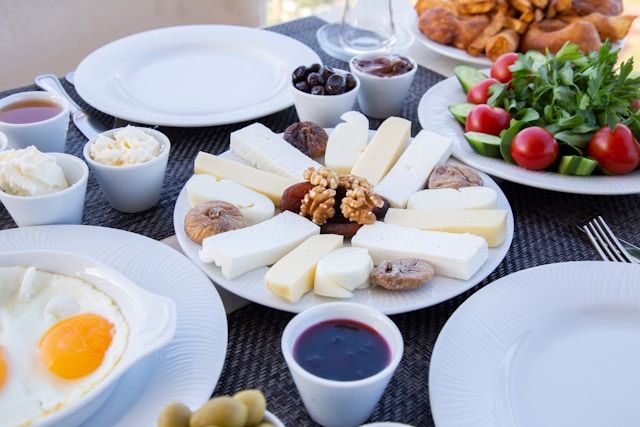
Hormones influence nearly every major function in the body. They affect energy, sleep, mood, metabolism, reproductive health, appetite, and even how the body responds to stress. When hormones become unbalanced, many people begin to notice subtle but frustrating symptoms such as fatigue, irritability, cravings, poor sleep, acne, irregular cycles, or unexplained weight changes.
Although stress, poor sleep, and lifestyle habits all contribute to hormonal disruption, food remains one of the strongest daily influences on hormonal health. The nutrients consumed every day provide the building blocks needed for hormone production, detoxification, and regulation.
Choosing the best foods for hormone balance can help support the endocrine system naturally, improve metabolic stability, and reduce inflammation that often contributes to hormonal imbalance.
Understanding Hormonal Balance and Why Food Matters
Hormones are chemical messengers produced by glands in the endocrine system. These messengers travel through the bloodstream and tell organs what to do and when to do it.
Because hormones rely heavily on nutrients, poor dietary habits can interfere with their production and function. A diet high in processed sugar, refined carbohydrates, and unhealthy fats can trigger blood sugar instability, increase inflammation, and disrupt insulin, cortisol, estrogen, and reproductive hormones.
On the other hand, nutrient-dense whole foods help the body regulate hormones more effectively by supporting blood sugar control, liver detoxification, gut health, and nutrient absorption.
Learn about the best replacement for a balanced diet: Whole food vs Supplements
Healthy Fats: Essential for Hormone Production
Healthy fats are among the most important nutrients for hormone balance because many hormones are built from cholesterol and fatty acids.
Without enough healthy fat, the body may struggle to produce hormones efficiently.
Foods rich in beneficial fats include:
- Avocados
- Olive oil
- Nuts such as walnuts and almonds
- Seeds like chia, flax, and pumpkin seeds
- Coconut oil
Avocados are especially helpful because they provide monounsaturated fats that support hormone synthesis and help maintain stable blood sugar levels.
Flaxseeds are valuable because they contain lignans, plant compounds that may support estrogen balance, particularly in women.
Fatty Fish for Omega-3 and Reduced Inflammation
Fatty fish is one of the most powerful hormone-supportive foods because it contains omega-3 fatty acids, which help reduce inflammation and improve hormone signaling.
Excellent choices include:
- Salmon
- Sardines
- Mackerel
Omega-3 fats help regulate cortisol, the stress hormone that often becomes elevated during chronic stress.
These fish also support reproductive hormones and may help reduce menstrual discomfort.
Cruciferous Vegetables and Estrogen Support
Cruciferous vegetables are often recommended in hormone-balancing diets because they help the liver metabolize excess estrogen.
This is important because poor estrogen clearance may contribute to hormonal symptoms such as bloating, heavy cycles, mood swings, and fatigue.
Best choices include:
- Broccoli
- Kale
- Cauliflower
- Brussels sprouts
- Cabbage
These vegetables contain compounds such as indole-3-carbinol, which support estrogen detoxification.
Protein-Rich Foods for Stable Blood Sugar
Protein is essential for hormone production and appetite control.
Eating enough protein helps regulate insulin and hunger hormones while preventing sharp blood sugar spikes.
Aim to include protein in every meal, ideally around 25 to 30 grams.
Strong hormone-supportive protein sources include:
- Eggs
- Chicken breast
- Lentils
- Greek yogurt
- Fish
Eggs are particularly useful because they provide protein, healthy fats, and choline, which supports brain and hormonal function.
Fiber-Rich Foods Help Remove Excess Hormones
Fiber plays a major role in hormone balance because it helps remove excess hormones through digestion.
A high-fiber diet also improves insulin control, which directly affects hormonal stability.
Best fiber-rich choices include:
- Berries
- Legumes
- Whole grains
- Vegetables
- Flaxseeds
Berries are especially beneficial because they provide antioxidants that protect cells and support adrenal health.
Excellent examples include:
- Blueberries
- Raspberries
- Strawberries
Fermented Foods for Gut and Hormone Health
Gut health strongly influences hormone balance because the digestive system helps process and eliminate hormones.
A healthy gut microbiome supports estrogen metabolism and reduces inflammation.
Helpful fermented foods include:
- Yogurt
- Kefir
- Kimchi
When gut health is poor, hormone detoxification may slow down.
Root Vegetables for Energy and Hormonal Stability
Root vegetables provide slow-digesting carbohydrates that help regulate blood sugar.
Stable blood sugar reduces insulin spikes and helps prevent hormone disruption.
Good options include:
- Sweet potatoes
- Squash
These foods also provide important nutrients that support progesterone production and steady energy release.
Seeds That Support Hormonal Function
Seeds contain minerals essential for endocrine health.
Pumpkin seeds provide zinc, which supports testosterone and reproductive hormone production.
Sesame and sunflower seeds contain selenium and vitamin E, both useful for hormone balance.
Adding seeds to meals is one of the easiest ways to increase hormone-supportive nutrients.
Anti-Inflammatory Spices That Support Hormones
Inflammation often worsens hormonal symptoms.
Certain spices naturally reduce inflammation and support hormone regulation.
Useful examples include:
- Turmeric
- Ginger
- Cinnamon
Turmeric is especially known for curcumin, a compound that may help reduce inflammation linked to hormone disruption.
Foods to Limit for Better Hormonal Health
Hormone balance improves not only through what is added to the diet, but also through what is reduced.
Foods that commonly disrupt hormones include:
- Refined sugar
- Highly processed foods
- Excess caffeine
- Trans fats
- Excess alcohol
These foods can increase inflammation, elevate cortisol, and interfere with insulin stability.
Hormone-Balancing Meal Ideas
Simple daily meals can naturally support hormonal health.
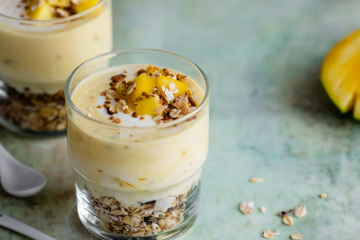
- Breakfast may include Greek yogurt with berries and flaxseeds.
- Lunch can include leafy greens, avocado, nuts, and grilled salmon.
- Dinner may combine quinoa, broccoli, and lean protein.
- Snacks such as nuts, seeds, or fruit help maintain stable energy.
Best Foods for Hormone Balance in Women and Men
Women often benefit from foods that support estrogen balance, especially during menstrual cycles, fertility changes, or menopause.
Flaxseeds, leafy greens, berries, and cruciferous vegetables are especially helpful.
Men often benefit from zinc-rich foods that support testosterone, including pumpkin seeds, eggs, spinach, and healthy fats.
Final Thoughts
The best foods for hormone balance are nutrient-dense whole foods that support the body’s natural systems rather than overwhelm them.
Healthy fats, quality protein, fiber, omega-3-rich fish, cruciferous vegetables, and gut-friendly foods all work together to improve hormonal health naturally.
Small daily choices often create the strongest long-term results.
Consistent nutrition supports not only hormone balance but also better mood, energy, sleep, and overall well-being.

Leave a reply


 Fun times ahead … #lebronjames #lakers #lebron #lustremagazine00:19
 Oscar-winning #MichaelBJordan Congratulations!! #Sinners for winning Best Actor at the 2026 #Oscars00:56
 #Zendaya publicly shared “recovery plan” and its brilliantly low-effort #lustremagazine00:16
 #NickJonas is smooth 😍 #PriyankaChopra #couple00:10
 #AnnaWintour and #MirandaPriestly at the 2026 #Oscars00:14
 #tchalamet and @kyliejenner make their way into the #VFOscars party. Video by wengellg00:06
 #Oscar winner and #Sinners star #MichaelBJordan00:38
 #ElsaPataky #ChrisHemsworth #Oscars #celebritycouple #Oscars202600:08
 #tyla attends the #maisonvalentino AW26 show in Rome #DazedFashionTV #Valentino00:12
 Garmmy 2026 #justinbieber #hailybieber #grammy #lilbieber #lustremagazine00:29
 #zendaya understood the assignment. #tomholland #viral #trend #celebrity00:11
 #LeonardoDiCaprio has graced the #BAFTAs with a rare red-carpet appearance, wearing a #dior00:21
 #annehathaway at the #Balenciaga fashion show 2026 #ParisFashion Week on #thedevilwearsprada00:14
 #Ponytail is back! #ArianaGrande looks gorgeous at the 2026 🎥: ginainterrupted #GoldenGlobes.00:20
 #SHAQ forgot that he bought two Escalades 😅01:14
 #therock and #KevinHart doing the #TortillaChallenge is the funniest thing we’ve seen all week!01:00
 #Oscar Throwbacks, #EmmaStone accepting her second Academy Award (in a broken dress!)01:41
 #Bridgerton cast and crew singing ‘Happy Birthday’ for #Yerin #bridgertonseason400:16
 Inside #queencharlotte wig #bridgerton #bridgertonseason400:08
 #zendaya at the #louisvuitton AW26 #lustremagazine00:17
 #shaq on set for #gravesendseries #shaq #brooklyn #onset #basketball #gangster #epic00:13
 #zendaya dazzling in white at #louisvuitton’s fall/winter #ParisFashionWeek show #lustremagazine00:17
 #shaq #queenlatifah at a NBA playoffs game #shaquilleoneal #nbaplayoffs00:16
 #johnlithgow #albusdumbledore #harrypotter #celebrity00:12
 #sbiff awardees #jacobelordi #wagnermoura #teyanataylor #wunmimosaku #ingalilleaas #sydneysweeney00:07