Healthy, luscious hair is a confidence booster and a sign of overall wellness. But achieving strong, thick hair doesn’t happen overnight. Many people struggle with hair thinning, breakage, or slow growth due to genetics, stress, poor diet, or scalp issues. While supplements, vitamins, and professional treatments can help, sometimes the simplest solutions are nature’s own remedies: hair oils.
Using the right oils can revitalize your scalp, strengthen strands from root to tip, and stimulate hair follicles to promote natural growth. Hair oils work by improving blood circulation, providing essential nutrients, reducing protein loss, and keeping the scalp hydrated—everything your hair needs to thrive. From the richly moisturizing coconut oil to the follicle-boosting rosemary oil, there’s a range of options to suit different hair types and concerns.
In this guide, we’ll break down the top oils for hair growth, explain how they work, and provide tips for using them effectively. Whether you’re dealing with mild thinning, breakage, or just want healthier, shinier hair, these oils can be a game-changer. Plus, we’ll cover when professional treatments may be necessary for advanced hair loss, helping you take a holistic approach to your hair care journey.
How Hair Grows: The Science Behind Stronger Strands
Hair growth is not just magic—it’s a science. Each hair strand goes through three phases:
- Anagen (Growth Phase): The hair actively grows, lasting 2–6 years.
- Catagen (Transitional Phase): Hair stops growing and prepares to shed, lasting 2–3 weeks.
- Telogen (Resting Phase): Old hair sheds, and new hair begins to grow, lasting 2–4 months.
Hair follicles, tiny pockets in your scalp, produce new strands. Over time, follicles can weaken due to stress, hormonal changes, or scalp issues, leading to thinning hair or hair loss. This is where oils become essential—they nourish follicles, improve scalp circulation, and create a healthy environment for hair growth.
How Oils Promote Hair Growth
Hair oils work in multiple ways:
- Stimulate Blood Flow: Oils like castor and peppermint increase circulation to the scalp, delivering nutrients to follicles.
- Hydrate and Strengthen: Oils such as coconut and argan penetrate the hair shaft, reducing protein loss and preventing breakage.
- Support Follicle Health: Oils rich in vitamins and minerals, like onion and rosemary, strengthen roots and encourage regrowth.
- Control Scalp Issues: Anti-inflammatory oils reduce dandruff, dryness, and irritation.
Consistency is key. With regular use, oils can improve texture, shine, and hair thickness within 6–8 weeks.
Top Hair Oils for Growth and Stronger Strands
Finding the right oil for your hair can feel overwhelming with so many options available. Each oil offers unique benefits, from stimulating follicles to strengthening strands. Here’s a detailed look at the best oils for hair growth and how they can transform your hair care routine:
1. Castor Oil
Castor oil has earned its reputation as a hair growth superhero. Rich in ricinoleic acid, it increases blood flow to the scalp, delivering essential nutrients to hair follicles. This improved circulation encourages new hair growth, thickens strands, and strengthens roots.
How it works:
- Boosts scalp circulation
- Encourages follicle stimulation
- Reduces hair thinning and promotes regrowth
How to use:
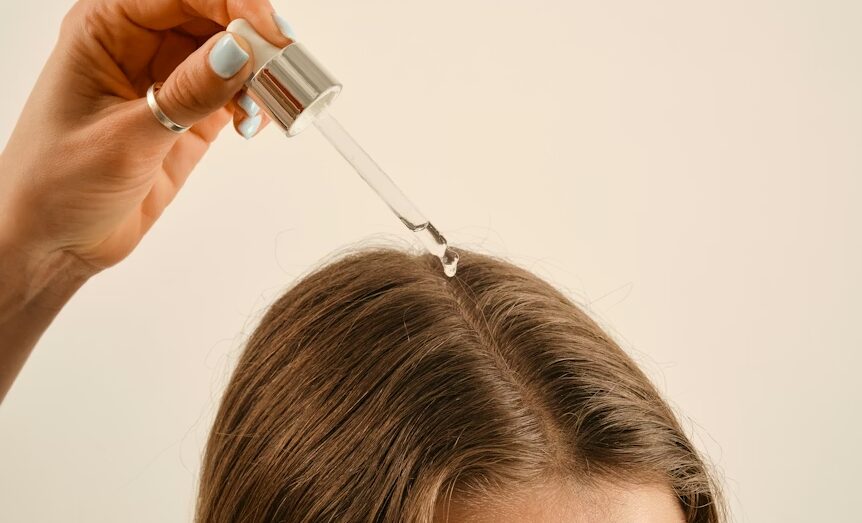
Mix castor oil with a lighter carrier oil like coconut or jojoba. Warm slightly and massage into the scalp 10–15 minutes, 2–3 times per week. Focus on thinning areas or edges for maximum impact.
2. Coconut Oil
Coconut oil is a classic for a reason. Packed with medium-chain fatty acids and vitamins, it penetrates deep into the hair shaft, reducing protein loss and strengthening hair from within. Its hydrating properties also help tame frizz, moisturize dry scalps, and improve overall hair texture.
How it works:
- Reduces protein loss in hair strands
- Hydrates and nourishes dry scalp
- Protects against breakage and split ends
How to use:
Apply as a pre-shampoo treatment, overnight mask, or a light leave-in on damp hair. Pairing it with castor or rosemary oil enhances absorption.
3. Rosemary Oil
Rosemary oil is known as a natural alternative to minoxidil. It promotes hair growth by stimulating dormant follicles and increasing circulation in the scalp. It also has antifungal and anti-inflammatory properties, which help combat dandruff and soothe irritation.
How it works:
- Promotes faster hair growth
- Stimulates dormant follicles
- Fights dandruff and scalp inflammation
How to use:
Dilute a few drops in a carrier oil such as jojoba or coconut. Massage gently into the scalp for 10–15 minutes before washing. Use 2–3 times weekly for visible results.
4. Jojoba Oil
Jojoba oil is often called the unsung hero of hair care. Its chemical composition closely resembles the scalp’s natural sebum, which helps regulate oil production. This makes it ideal for all hair types, especially combination hair. Jojoba oil also locks in moisture, reduces breakage, and improves hair elasticity.
How it works:
- Balances scalp oil production
- Retains moisture for stronger strands
- Reduces breakage and supports healthy growth
How to use:
Apply as a light massage oil or mix with other oils like castor or rosemary for a nourishing blend. It’s perfect for those with a sensitive or dry scalp.
5. Argan Oil
Argan oil, also known as “liquid gold,” is rich in vitamin E and essential fatty acids. It strengthens hair while improving shine and manageability. Lightweight and non-greasy, it’s perfect for daily use and is particularly effective in reducing frizz, detangling, and protecting against heat damage.
How it works:
- Strengthens strands and reduces breakage
- Adds shine and smoothness
- Protects hair from environmental damage
How to use:
Apply a few drops to damp or dry hair as a leave-in treatment. Combine with other oils for a hydrating pre-wash mask.
6. Onion Oil
Onion oil might sound unusual, but it’s a powerful hair growth booster. Its high sulfur content strengthens hair roots, promotes keratin production, and helps with regrowth in thinning areas. It also has antimicrobial properties, supporting scalp health.
How it works:
- Strengthens roots and reduces hair breakage
- Encourages keratin production for thicker hair
- Supports a healthy scalp environment
How to use:
Massage into the scalp, leave for 30–60 minutes, then shampoo thoroughly. Use once or twice weekly.
7. Peppermint Oil
Peppermint oil contains menthol, which stimulates blood flow and deepens follicle penetration. This can lead to thicker, fuller hair over time. Its cooling sensation also soothes itchiness and reduces scalp irritation.
How it works:
- Increases circulation and follicle depth
- Promotes thicker hair growth
- Soothes scalp irritation and itchiness
How to use:
Always dilute peppermint oil in a carrier oil before applying. Massage onto the scalp for 5–10 minutes 2–3 times per week.
8. Amla and Bhringraj Oils
Used in Ayurveda for centuries, amla and bhringraj oils are packed with antioxidants and nutrients that prevent hair loss, strengthen roots, and enhance overall hair vitality.
How it works:
- Prevents hair thinning and premature graying
- Strengthens follicles and promotes hair density
- Nourishes the scalp naturally
How to use:
Use as a pre-shampoo treatment or mix with other carrier oils. Massage gently into the scalp for 10–15 minutes, once or twice weekly.
Pro Tip: Combining multiple oils (e.g., castor + coconut + rosemary) can create a powerful, nutrient-rich blend for maximum absorption and hair growth benefits. Always perform a patch test before trying new essential oils to avoid irritation.
Read more on natural hair growth oil
How to Apply Hair Oils for Maximum Growth
- Dilute Essential Oils: Mix essential oils (rosemary, peppermint, tea tree) with a carrier oil to prevent irritation.
- Massage Your Scalp: Spend 10–15 minutes massaging the oil to improve blood flow and follicle stimulation.
- Consistency is Key: Use 2–3 times a week, and expect noticeable results in 6–8 weeks.
- Warm the Oil Slightly: Enhances absorption and effectiveness.
Do Oils Alone Work?
Oils are excellent for nourishment and mild hair thinning. However, for advanced hair loss, oils alone may not be sufficient. They cannot regenerate dead follicles or restore hair in bald patches. If you notice persistent thinning or balding, professional treatments may be necessary.
Professional Hair Growth Treatments
- PRP Hair Treatment: Uses platelet-rich plasma to stimulate follicles. Ideal for early-stage thinning.
- GFC (Growth Factor Concentrate) Treatment: Delivers concentrated growth factors to revive weak follicles.
- Hair Transplant (FUE/DHI): Surgical solution for severe hair loss or bald patches with natural-looking results.
Learn how to prevent split ends
FAQs
Which oil is best for fast hair growth?
Castor oil, coconut oil, rosemary oil, onion oil, and argan oil are among the fastest-acting options when used consistently.
How often should I oil my hair?
- Oily scalp: once a week
- Dry scalp: 2–3 times a week
- Normal hair: twice a week
- Thin or weak hair: focus on lightweight oils like rosemary or coconut
Can I mix oils for better results?
Yes! Combining oils like castor, coconut, and rosemary can enhance absorption and deliver multiple benefits.
Final Thoughts
Using the best oils for hair growth is a simple, natural, and effective way to nourish your scalp and strengthen hair. While oils work wonders for hair health, severe thinning or bald patches may require professional intervention. Start with a consistent oiling routine, massage your scalp, and consider treatments like PRP or GFC if needed. Your journey to thicker, healthier hair begins today!



Leave a reply


 Fun times ahead … #lebronjames #lakers #lebron #lustremagazine00:19
- Oscar-winning #MichaelBJordan Congratulations!! #Sinners for winning Best Actor at the 2026 #Oscars00:56
- #Zendaya publicly shared “recovery plan” and its brilliantly low-effort #lustremagazine00:16
- #NickJonas is smooth 😍 #PriyankaChopra #couple00:10
- #AnnaWintour and #MirandaPriestly at the 2026 #Oscars00:14
- #tchalamet and @kyliejenner make their way into the #VFOscars party. Video by wengellg00:06
- #Oscar winner and #Sinners star #MichaelBJordan00:38
- #ElsaPataky #ChrisHemsworth #Oscars #celebritycouple #Oscars202600:08
- #tyla attends the #maisonvalentino AW26 show in Rome #DazedFashionTV #Valentino00:12
- Garmmy 2026 #justinbieber #hailybieber #grammy #lilbieber #lustremagazine00:29
- #zendaya understood the assignment. #tomholland #viral #trend #celebrity00:11
- #LeonardoDiCaprio has graced the #BAFTAs with a rare red-carpet appearance, wearing a #dior00:21
- #annehathaway at the #Balenciaga fashion show 2026 #ParisFashion Week on #thedevilwearsprada00:14
- #Ponytail is back! #ArianaGrande looks gorgeous at the 2026 🎥: ginainterrupted #GoldenGlobes.00:20
- #SHAQ forgot that he bought two Escalades 😅01:14
- #therock and #KevinHart doing the #TortillaChallenge is the funniest thing we’ve seen all week!01:00
- #Oscar Throwbacks, #EmmaStone accepting her second Academy Award (in a broken dress!)01:41
- #Bridgerton cast and crew singing ‘Happy Birthday’ for #Yerin #bridgertonseason400:16
- Inside #queencharlotte wig #bridgerton #bridgertonseason400:08
- #zendaya at the #louisvuitton AW26 #lustremagazine00:17
- #shaq on set for #gravesendseries #shaq #brooklyn #onset #basketball #gangster #epic00:13
- #zendaya dazzling in white at #louisvuitton’s fall/winter #ParisFashionWeek show #lustremagazine00:17
- #shaq #queenlatifah at a NBA playoffs game #shaquilleoneal #nbaplayoffs00:16
- #johnlithgow #albusdumbledore #harrypotter #celebrity00:12
- #sbiff awardees #jacobelordi #wagnermoura #teyanataylor #wunmimosaku #ingalilleaas #sydneysweeney00:07