Best Supplements for Women’s Health
Maintaining good health requires the right balance of nutrients, but many women struggle to get all the vitamins and minerals they need through diet alone. Busy lifestyles, hormonal changes, pregnancy, and aging can increase nutritional demands. While a balanced diet remains the best source of nutrients, certain supplements can help support women’s health at different stages of life.
Specific vitamins and minerals play a critical role in maintaining overall wellness, from bone strength to reproductive health and energy production. Understanding which supplements matter most can help women make informed decisions about their health.
Why Supplements Are Important for Women
Women’s bodies go through unique biological changes, including menstruation, pregnancy, breastfeeding, and menopause. These phases increase the need for certain nutrients such as iron, folate, calcium, and vitamin D.
In some cases, deficiencies may be due to dietary restrictions, limited sun exposure, or health conditions that affect nutrient absorption. Supplements can help fill these nutritional gaps and support long-term health.
However, experts recommend consulting a healthcare professional before starting any supplement to ensure the dosage and type are appropriate.
Get the best supplements for women from Vitabiotics – Buy Now
Vitamin D
Vitamin D plays a major role in calcium absorption and bone development. It helps maintain bone density and reduces the risk of osteoporosis, a condition that causes bones to become weak and brittle. Women are particularly vulnerable to bone loss as they age, especially after menopause when estrogen levels decline.
Vitamin D also supports immune function, muscle health, and overall well-being.
Many people have low vitamin D levels due to limited sun exposure, darker skin tones, or certain medical conditions. Adults typically require about 600 IU of vitamin D daily until age 70, and about 800 IU after that.
Taking vitamin D with a meal that contains fat may improve absorption.
Calcium
Calcium is the primary mineral found in bones and teeth. It also plays a role in muscle contraction, nerve function, and hormone release.
Women’s calcium levels tend to decline during menopause, increasing the risk of osteoporosis.
Health experts generally recommend:
- 1,000 mg of calcium daily for women under 50
- 1,200 mg daily for women over 50
Calcium supplements often include vitamin D because the body needs vitamin D to absorb calcium efficiently. Foods such as dairy products, leafy greens, almonds, and fortified foods also contribute to calcium intake.
Iron
Iron is essential for producing hemoglobin, the protein in red blood cells that carries oxygen throughout the body. Women need more iron than men due to blood loss during menstruation.
Low iron levels can lead to iron-deficiency anemia, which may cause symptoms such as fatigue, dizziness, pale skin, and difficulty concentrating.
Recommended daily iron intake for women is:
- 18 mg for women aged 19–50
- 27 mg during pregnancy
- 8 mg for women after menopause
Iron supplements are best absorbed when taken with vitamin C and should not be taken with coffee, tea, or calcium supplements because they may reduce absorption.
Folic Acid (Vitamin B9)
Folic acid is a B vitamin that plays a vital role in DNA formation and cell growth. It is particularly important for women of reproductive age because it helps prevent neural tube defects in developing babies during pregnancy.
Experts recommend that women who could become pregnant take 400 to 800 micrograms of folic acid daily.
Although foods like leafy greens, beans, nuts, and fortified grains contain folate, supplements help ensure adequate intake during the early stages of pregnancy.
Vitamin B12
Vitamin B12 supports the nervous system, red blood cell formation, and DNA production. Deficiency may lead to fatigue, weakness, nerve problems, and memory difficulties.
Women who follow vegetarian or vegan diets are at higher risk of vitamin B12 deficiency because the vitamin is found mainly in animal-based foods such as meat, eggs, and dairy products.
The recommended daily intake for most adult women is about 2.4 micrograms. During pregnancy and breastfeeding, the requirement increases slightly.
Magnesium
Magnesium is involved in more than 300 biochemical reactions in the body. It supports muscle function, nerve signaling, bone health, and blood sugar regulation.
Many women also use magnesium supplements to improve sleep quality and reduce stress.
Magnesium may be especially beneficial for women experiencing hormonal changes during perimenopause and menopause. Adult women generally require around 310 to 320 mg of magnesium daily.
Magnesium is naturally found in foods such as leafy greens, nuts, seeds, whole grains, and legumes.
Omega-3 Fatty Acids
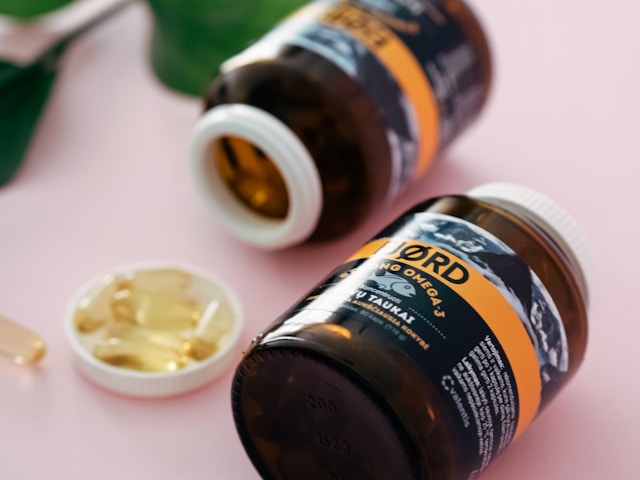
Omega-3 fatty acids are essential fats that help reduce inflammation and support heart and brain health. These healthy fats may also improve mood, support fertility, and protect against cardiovascular disease.
Fish oil supplements are a common source of omega-3 fatty acids, particularly EPA and DHA. Women who do not consume fatty fish regularly may benefit from omega-3 supplements.
Common food sources include salmon, sardines, flaxseeds, walnuts, and chia seeds.
Probiotics
Probiotics are beneficial bacteria that support digestive health and strengthen the immune system. They help maintain a healthy balance of microorganisms in the gut and may also support vaginal health by preventing infections.
Women who experience digestive issues, frequent antibiotic use, or recurring yeast infections may benefit from probiotic supplements.
Fermented foods such as yogurt, kefir, sauerkraut, and kimchi are natural probiotic sources.
Protein Supplements
Protein is an essential nutrient for maintaining muscle mass, repairing tissues, and supporting overall body function. Hormonal changes during menopause can contribute to muscle loss, making adequate protein intake important for older women.
Most adults need approximately 0.8 to 1.6 grams of protein per kilogram of body weight, depending on activity levels and health goals.
Protein powders can help women meet their daily protein requirements, especially if appetite or dietary restrictions limit protein intake.
Learn about the top 5 women’s multivitamins for 2026
Supplements for Different Life Stages
Women’s nutritional needs change throughout life.
During Reproductive Years
Iron and folic acid become particularly important due to menstruation and pregnancy planning.
During Pregnancy
Prenatal vitamins containing folic acid, iron, iodine, and vitamin D help support fetal development and maternal health.
During Menopause
Calcium, vitamin D, magnesium, and protein become more important for maintaining bone density, muscle strength, and sleep quality.
Choosing Safe and High-Quality Supplements
Not all supplements are created equal. When selecting products, look for third-party testing labels such as:
- USP (United States Pharmacopeia)
- NSF certification
- ConsumerLab approval
These certifications indicate that the supplement has been tested for quality and purity.
Avoid taking multiple supplements with overlapping nutrients without medical guidance, as excessive intake may cause side effects.
Final Thoughts
Supplements can play a valuable role in supporting women’s health, especially when nutritional needs change due to life stages, dietary habits, or health conditions. Key nutrients such as vitamin D, calcium, iron, folic acid, magnesium, omega-3 fatty acids, and probiotics help maintain strong bones, balanced hormones, healthy digestion, and overall well-being.
However, supplements should complement a healthy diet rather than replace it. Consulting a healthcare professional before starting any supplement ensures that the dosage and type are tailored to individual health needs.
With the right combination of balanced nutrition, healthy habits, and targeted supplements, women can support their long-term health and vitality at every stage of life.




Leave a reply


 Fun times ahead … #lebronjames #lakers #lebron #lustremagazine00:19
 Oscar-winning #MichaelBJordan Congratulations!! #Sinners for winning Best Actor at the 2026 #Oscars00:56
 #Zendaya publicly shared “recovery plan” and its brilliantly low-effort #lustremagazine00:16
 #NickJonas is smooth 😍 #PriyankaChopra #couple00:10
 #AnnaWintour and #MirandaPriestly at the 2026 #Oscars00:14
 #tchalamet and @kyliejenner make their way into the #VFOscars party. Video by wengellg00:06
 #Oscar winner and #Sinners star #MichaelBJordan00:38
 #ElsaPataky #ChrisHemsworth #Oscars #celebritycouple #Oscars202600:08
 #tyla attends the #maisonvalentino AW26 show in Rome #DazedFashionTV #Valentino00:12
 Garmmy 2026 #justinbieber #hailybieber #grammy #lilbieber #lustremagazine00:29
 #zendaya understood the assignment. #tomholland #viral #trend #celebrity00:11
 #LeonardoDiCaprio has graced the #BAFTAs with a rare red-carpet appearance, wearing a #dior00:21
 #annehathaway at the #Balenciaga fashion show 2026 #ParisFashion Week on #thedevilwearsprada00:14
 #Ponytail is back! #ArianaGrande looks gorgeous at the 2026 🎥: ginainterrupted #GoldenGlobes.00:20
 #SHAQ forgot that he bought two Escalades 😅01:14
 #therock and #KevinHart doing the #TortillaChallenge is the funniest thing we’ve seen all week!01:00
 #Oscar Throwbacks, #EmmaStone accepting her second Academy Award (in a broken dress!)01:41
 #Bridgerton cast and crew singing ‘Happy Birthday’ for #Yerin #bridgertonseason400:16
 Inside #queencharlotte wig #bridgerton #bridgertonseason400:08
 #zendaya at the #louisvuitton AW26 #lustremagazine00:17
 #shaq on set for #gravesendseries #shaq #brooklyn #onset #basketball #gangster #epic00:13
 #zendaya dazzling in white at #louisvuitton’s fall/winter #ParisFashionWeek show #lustremagazine00:17
 #shaq #queenlatifah at a NBA playoffs game #shaquilleoneal #nbaplayoffs00:16
 #johnlithgow #albusdumbledore #harrypotter #celebrity00:12
 #sbiff awardees #jacobelordi #wagnermoura #teyanataylor #wunmimosaku #ingalilleaas #sydneysweeney00:07