Best Teas for Stress Relief
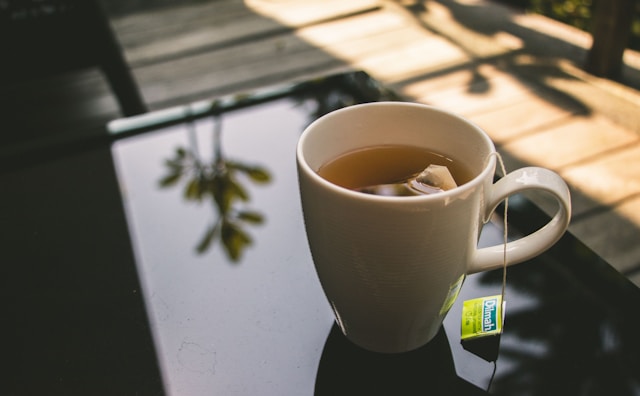
Stress has become a common part of daily life, affecting sleep, focus, mood, and overall health. While managing stress often requires a combination of healthy habits, one simple and effective practice many people turn to is drinking tea. Certain teas contain natural compounds that calm the nervous system, ease tension, and help the body return to a more balanced state.
The best teas for stress relief do more than offer warmth and comfort. Many herbal and plant-based teas contain antioxidants, adaptogens, and calming compounds that directly support relaxation. Some help reduce cortisol levels, others improve sleep quality, and some create mental clarity without overstimulation.
If you are looking for natural ways to relax, improve emotional balance, and create peaceful daily rituals, understanding which teas work best can make a real difference.
Why Tea Helps Reduce Stress
Tea supports stress relief because many herbs used in tea contain natural compounds that interact with the brain and nervous system.
Some teas increase calming neurotransmitters, while others reduce muscle tension or promote deeper breathing through their aroma and warmth.
The act of drinking tea itself also creates a pause in the day. Sitting quietly with a warm drink encourages slower breathing, mindfulness, and temporary mental distance from stress triggers. This combination of physical compounds and calming routine makes tea an effective support for stress management.
Best Teas For Stress Relief
Chamomile Tea for Gentle Relaxation
Chamomile tea is one of the most widely recommended teas for stress relief because of its mild calming effect and sleep-supporting properties.
Chamomile contains apigenin, a natural antioxidant that binds to receptors in the brain associated with relaxation and reduced anxiety.
This tea is especially useful for people who experience evening stress, racing thoughts, or difficulty sleeping. Its light floral taste with subtle apple-like notes makes it easy to drink before bed.
Regular consumption may help reduce mental tension while improving sleep quality. Chamomile is often best taken at night when the body needs to wind down.
Lavender Tea for Nervous System Calm
Lavender tea is known for both its calming aroma and soothing internal effects. Lavender naturally helps lower heart rate and may reduce blood pressure, making it especially helpful during periods of emotional overload. The floral compounds in lavender also help ease headaches and tension linked to stress.
The scent plays a major role in lavender’s calming power; drinking lavender tea often creates both physical and emotional relaxation at the same time. It is particularly helpful in the evening or during stressful afternoons when the mind feels overstimulated.
Lemon Balm Tea for Anxiety and Focus
Lemon balm tea is valued for its ability to reduce stress while improving focus.
Lemon balm belongs to the mint family and is considered a gentle nervine herb, meaning it supports the nervous system’s calm without heavy sedation. It can help reduce anxious feelings while allowing mental clarity.
This makes lemon balm ideal for people who want calm without drowsiness. Its mild citrus flavor also makes it pleasant for daily use.
Many people drink lemon balm tea in the evening, but it can also be useful during work hours when stress and concentration problems appear together.
Holy Basil Tea for Cortisol Balance
Holy basil tea, also known as tulsi tea, is highly respected in traditional wellness systems for helping the body adapt to stress.
Holy basil is classified as an adaptogen, which means it may help regulate the body’s stress response. Adaptogens support balance by helping the body manage cortisol more effectively.
This tea is often recommended for people dealing with long-term stress, fatigue, or emotional pressure. Its earthy, slightly spicy taste makes it distinctive, and many people include it in morning or afternoon routines. Holy basil supports both calm and resilience rather than immediate sedation.
Passionflower Tea for Deep Calm
Passionflower tea is known for its stronger calming properties. It works partly by supporting gamma-aminobutyric acid activity in the brain, often called GABA, which helps reduce nervous system activity.
This creates a calmer internal state and may reduce anxiety symptoms. Passionflower tea is often recommended at night because it can help the body settle before sleep. Its mild flavor allows it to blend well with other calming herbs.
People experiencing restlessness or emotional tension often benefit from passionflower as part of an evening routine.
Valerian Root Tea for Strong Stress Relief
Valerian tea is one of the strongest herbal teas used for severe tension and sleep difficulties.
Valerian root acts as a natural sedative and is often chosen when stress causes insomnia or persistent nervous agitation. It is usually taken at night rather than during the day.
Its earthy taste is stronger than many herbal teas, but its calming effect can be significant. People who experience intense evening stress often find valerian especially helpful.
Green Tea for Alertness
Green tea offers a different type of stress support because it contains L-theanine. L-theanine is an amino acid known for promoting calm alertness.
Unlike many calming teas, green tea contains caffeine, but L-theanine helps smooth caffeine’s stimulating effects. This creates steady focus without the sharp energy spikes associated with coffee.
Green tea is ideal during daytime stress when mental clarity is needed. It supports calm productivity rather than sedation.
Learn more about how green tea helps balance hormones
Matcha for Focus
Matcha is a concentrated form of green tea with even higher levels of L-theanine. Because the whole tea leaf is consumed, matcha delivers stronger antioxidant support and sustained mental focus. It is often preferred by people who want stress control while maintaining productivity.
Matcha works well in the morning or early afternoon. Its combination of calm focus and gentle energy makes it popular among professionals and students.
Peppermint Tea for Physical Stress Relief
Peppermint tea helps with stress relief by targeting physical symptoms. Stress often causes muscle tightness, headaches, and digestive discomfort.
Peppermint naturally relaxes muscles and supports easier breathing. Its cooling effect can reduce tension headaches and improve comfort.
Peppermint tea works well in the afternoon or evening, depending on need. It is especially helpful when stress feels physical rather than emotional.
Rooibos Tea for Evening Calm
Rooibos is naturally caffeine-free and rich in antioxidants. It offers a gentle calming effect without heaviness. It works perfectly at night because it contains no caffeine. Its naturally smooth and slightly sweet flavor makes it easy for regular drinking.
People sensitive to caffeine often choose rooibos as a daily stress-relief tea.
Best Time to Drink Stress Relief Tea
Different teas work better at different times.
Morning or afternoon options include:
- Green tea
- Matcha
- Holy basil
Evening options include:
- Chamomile
- Lavender
- Passionflower
- Valerian
- Rooibos
Choosing the right timing improves effectiveness.
Get the best quality tea from Artoftea
How to Build a Tea Routine
Tea works best when paired with calming habits.
A simple routine may include drinking tea slowly without distractions, breathing deeply, reducing screen exposure, or sitting quietly for a few minutes.
Consistency matters more than quantity. A daily calming tea ritual often becomes a powerful emotional reset.
Final Thoughts
The best teas for stress relief support the body and mind in different ways. Some help calm the nervous system immediately, improve sleep, while others help maintain calm focus during demanding hours.
Chamomile, lavender, lemon balm, holy basil, green tea, peppermint, passionflower, and valerian each offer unique benefits depending on what kind of stress you are experiencing.
The best choice often depends on whether you need relaxation, focus, sleep support, or emotional balance. A simple cup of tea may seem small, but when used intentionally, it can become one of the most reliable daily tools for managing stress naturally.


Leave a reply


 Fun times ahead … #lebronjames #lakers #lebron #lustremagazine00:19
- Oscar-winning #MichaelBJordan Congratulations!! #Sinners for winning Best Actor at the 2026 #Oscars00:56
- #Zendaya publicly shared “recovery plan” and its brilliantly low-effort #lustremagazine00:16
- #NickJonas is smooth 😍 #PriyankaChopra #couple00:10
- #AnnaWintour and #MirandaPriestly at the 2026 #Oscars00:14
- #tchalamet and @kyliejenner make their way into the #VFOscars party. Video by wengellg00:06
- #Oscar winner and #Sinners star #MichaelBJordan00:38
- #ElsaPataky #ChrisHemsworth #Oscars #celebritycouple #Oscars202600:08
- #tyla attends the #maisonvalentino AW26 show in Rome #DazedFashionTV #Valentino00:12
- Garmmy 2026 #justinbieber #hailybieber #grammy #lilbieber #lustremagazine00:29
- #zendaya understood the assignment. #tomholland #viral #trend #celebrity00:11
- #LeonardoDiCaprio has graced the #BAFTAs with a rare red-carpet appearance, wearing a #dior00:21
- #annehathaway at the #Balenciaga fashion show 2026 #ParisFashion Week on #thedevilwearsprada00:14
- #Ponytail is back! #ArianaGrande looks gorgeous at the 2026 🎥: ginainterrupted #GoldenGlobes.00:20
- #SHAQ forgot that he bought two Escalades 😅01:14
- #therock and #KevinHart doing the #TortillaChallenge is the funniest thing we’ve seen all week!01:00
- #Oscar Throwbacks, #EmmaStone accepting her second Academy Award (in a broken dress!)01:41
- #Bridgerton cast and crew singing ‘Happy Birthday’ for #Yerin #bridgertonseason400:16
- Inside #queencharlotte wig #bridgerton #bridgertonseason400:08
- #zendaya at the #louisvuitton AW26 #lustremagazine00:17
- #shaq on set for #gravesendseries #shaq #brooklyn #onset #basketball #gangster #epic00:13
- #zendaya dazzling in white at #louisvuitton’s fall/winter #ParisFashionWeek show #lustremagazine00:17
- #shaq #queenlatifah at a NBA playoffs game #shaquilleoneal #nbaplayoffs00:16
- #johnlithgow #albusdumbledore #harrypotter #celebrity00:12
- #sbiff awardees #jacobelordi #wagnermoura #teyanataylor #wunmimosaku #ingalilleaas #sydneysweeney00:07