Cosmetic Surgery Trends of 2026: The Rise of Natural Enhancements
Cosmetic Surgery Trends of 2026: The Rise of Natural Enhancements
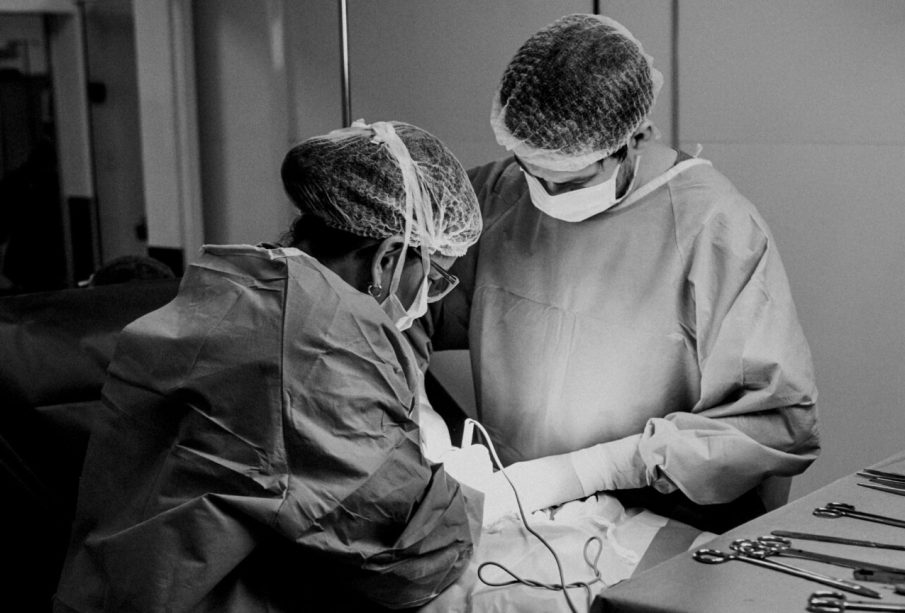
Cosmetic surgery in 2026 looks very different from the dramatic transformations of the past. Today’s patients are seeking refinement, not reinvention. The industry is shifting toward subtle enhancements, faster recovery times, and treatments that work with the body rather than against it.
Driven by social media transparency, AI-powered consultations, and a growing emphasis on wellness and self-confidence, cosmetic surgery has entered an era where “natural but better” is the ultimate goal.
Here’s a deep dive into the cosmetic surgery trends defining 2026.
1. The Era of “Undetectable” Cosmetic Surgery
One of the biggest shifts in 2026 is the demand for results that don’t look like surgery at all. Patients want friends to notice they look refreshed, rested, or healthier without being able to pinpoint why.
Popular procedures include:
-
Micro-facelifts instead of full facelifts
-
Subtle rhinoplasty refinements rather than dramatic nose reshaping
-
Conservative eyelid surgery (blepharoplasty) to restore youthful eyes
Surgeons are prioritising facial harmony and proportion, tailoring results to each patient’s natural features.
2. Regenerative Aesthetic Treatments Are Booming
Regenerative medicine has moved from niche to mainstream in 2026. Instead of relying solely on synthetic fillers, cosmetic surgery is increasingly paired with treatments that stimulate the body’s own healing and collagen production.
Key regenerative trends include:
-
PRP and PRF (platelet-rich plasma/fibrin) combined with surgical procedures
-
Fat transfer procedures that use the patient’s own fat for facial volume restoration
-
Stem-cell-enhanced treatments for skin quality and healing support
These approaches offer longer-lasting results and appeal to patients seeking more holistic, biologically aligned solutions.
3. AI and 3D Imaging Are Reshaping Consultations
Technology plays a major role in cosmetic surgery decisions in 2026. Advanced AI and 3D imaging tools allow patients to preview potential results with remarkable accuracy.
Benefits include:
-
More realistic expectations
-
Enhanced surgeon-patient communication
-
Greater confidence before committing to surgery
AI-assisted planning is especially popular for facial surgeries, breast procedures, and body contouring, helping patients feel more informed and empowered.
4. Body Contouring Moves Toward Sculpting, Not Size Reduction
Rather than dramatic weight-loss transformations, body procedures in 2026 focus on sculpting and refinement.
Trending body procedures include:
-
High-definition liposuction for athletic contouring
-
Mini tummy tucks for postpartum and weight-stable patients
-
Combination surgical and non-surgical contouring for natural shaping
Patients are choosing procedures that enhance muscle definition, posture, and proportion rather than simply reducing size.
5. Natural Breast Enhancements Take Centre Stage
Breast surgery trends in 2026 emphasise balance, comfort, and subtle volume.
Key shifts include:
-
Smaller, more proportionate implants
-
Increased interest in fat transfer breast augmentation
-
Breast lifts without implants for natural reshaping
Patients are prioritising results that suit their lifestyle, clothing preferences, and long-term health over exaggerated volume.
6. Faster Recovery and “Lunch-Break” Procedures
Downtime is a major concern for modern patients. In response, cosmetic surgery in 2026 is designed around quicker recovery and minimal disruption to daily life.
Innovations include:
-
Less invasive surgical techniques
-
Improved anaesthesia protocols
-
Enhanced post-procedure recovery therapies
Shorter recovery times make cosmetic procedures more accessible to professionals, parents, and busy individuals.
7. A Shift Toward Personalisation and Ethics
Perhaps the most meaningful trend of 2026 is the industry’s focus on ethical, personalised care. Surgeons are increasingly selective, often declining procedures that don’t align with a patient’s anatomy or wellbeing.
This patient-first approach includes:
-
Mental health screening during consultations
-
Honest discussions about realistic outcomes
-
Customised treatment plans rather than “one-size-fits-all” procedures
Cosmetic surgery is becoming less about chasing trends and more about supporting individual confidence.
Conclusion
The cosmetic surgery trends of 2026 reflect a broader cultural shift toward authenticity, wellness, and self-expression. Subtle enhancements, regenerative techniques, and technology-driven precision are redefining what it means to look and feel your best.
As the industry evolves, the focus is no longer on transformation for approval but on refinement for confidence.

Leave a reply


 Fun times ahead … #lebronjames #lakers #lebron #lustremagazine00:19
- Oscar-winning #MichaelBJordan Congratulations!! #Sinners for winning Best Actor at the 2026 #Oscars00:56
- #Zendaya publicly shared “recovery plan” and its brilliantly low-effort #lustremagazine00:16
- #NickJonas is smooth 😍 #PriyankaChopra #couple00:10
- #AnnaWintour and #MirandaPriestly at the 2026 #Oscars00:14
- #tchalamet and @kyliejenner make their way into the #VFOscars party. Video by wengellg00:06
- #Oscar winner and #Sinners star #MichaelBJordan00:38
- #ElsaPataky #ChrisHemsworth #Oscars #celebritycouple #Oscars202600:08
- #tyla attends the #maisonvalentino AW26 show in Rome #DazedFashionTV #Valentino00:12
- Garmmy 2026 #justinbieber #hailybieber #grammy #lilbieber #lustremagazine00:29
- #zendaya understood the assignment. #tomholland #viral #trend #celebrity00:11
- #LeonardoDiCaprio has graced the #BAFTAs with a rare red-carpet appearance, wearing a #dior00:21
- #annehathaway at the #Balenciaga fashion show 2026 #ParisFashion Week on #thedevilwearsprada00:14
- #Ponytail is back! #ArianaGrande looks gorgeous at the 2026 🎥: ginainterrupted #GoldenGlobes.00:20
- #SHAQ forgot that he bought two Escalades 😅01:14
- #therock and #KevinHart doing the #TortillaChallenge is the funniest thing we’ve seen all week!01:00
- #Oscar Throwbacks, #EmmaStone accepting her second Academy Award (in a broken dress!)01:41
- #Bridgerton cast and crew singing ‘Happy Birthday’ for #Yerin #bridgertonseason400:16
- Inside #queencharlotte wig #bridgerton #bridgertonseason400:08
- #zendaya at the #louisvuitton AW26 #lustremagazine00:17
- #shaq on set for #gravesendseries #shaq #brooklyn #onset #basketball #gangster #epic00:13
- #zendaya dazzling in white at #louisvuitton’s fall/winter #ParisFashionWeek show #lustremagazine00:17
- #shaq #queenlatifah at a NBA playoffs game #shaquilleoneal #nbaplayoffs00:16
- #johnlithgow #albusdumbledore #harrypotter #celebrity00:12
- #sbiff awardees #jacobelordi #wagnermoura #teyanataylor #wunmimosaku #ingalilleaas #sydneysweeney00:07