Estée Lauder Sues Walmart Over Alleged Counterfeit Fragrances
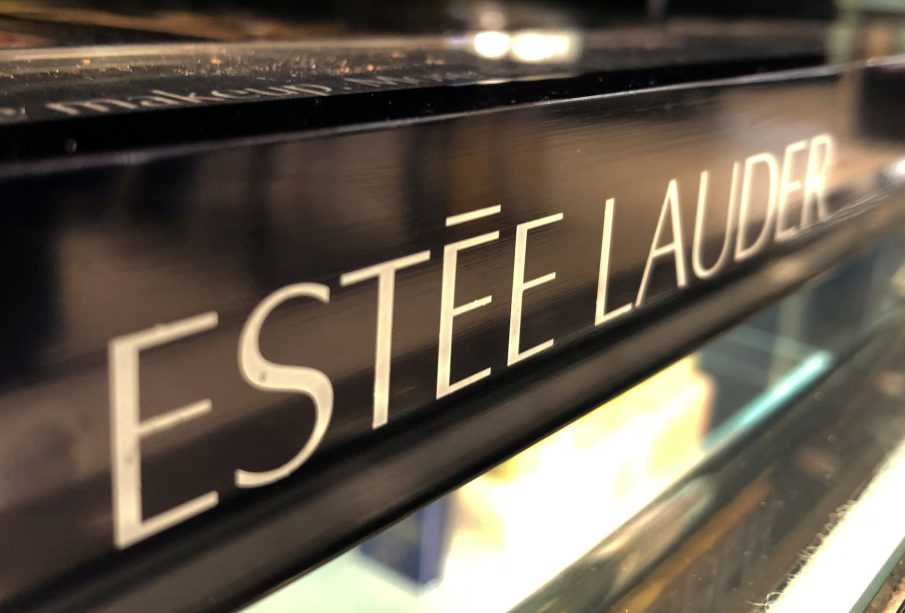
In a high-stakes clash between a global beauty powerhouse and one of America’s biggest retailers, Estée Lauder has filed a federal lawsuit against Walmart Inc., accusing the retail behemoth of allowing counterfeit fragrances and other beauty products to be sold on its online marketplace.
The complaint, lodged earlier this week in the U.S. District Court for the Central District of California, alleges that Walmart’s website offered knockoff versions of coveted luxury products bearing Estée Lauder’s well-known brands including Tom Ford, Le Labo, Clinique, La Mer, and Aveda. According to the filing, these items were not authentic and bore trademarks that are “identical with, substantially indistinguishable from, or confusingly similar” to Estée Lauder’s registered marks.
What the Lawsuit Alleges
Estée Lauder claims it purchased a selection of products from Walmart.com that appeared to be genuine but, upon inspection and testing, were found not to originate from the company. Among the allegedly counterfeit items cited:
-
Luxury fragrances from Le Labo and Tom Ford
-
Signature skincare items from Clinique and La Mer
-
Aveda haircare products
The lawsuit also highlights images showing side-by-side comparisons of products such as a Walmart listing for a perfume called “Intense Peach” next to Tom Ford’s “Bitter Peach” fragrance underscoring how similar branding and packaging could deceive consumers.
Marketplace Liability: Beyond Third-Party Sellers
A central point of contention in the case is Walmart’s role in facilitating these sales. While the disputed listings were offered by third-party vendors on Walmart’s marketplace, Estée Lauder argues that Walmart’s platform design including its checkout process, search tools, and branding leads shoppers to reasonably believe that Walmart itself is the seller. This assertion aligns with legal precedents that have held online marketplaces accountable when they play an active role in promoting and profiting from third-party sales.
The complaint includes claims of:
-
Trademark infringement
-
Counterfeiting
-
False designation of origin
Estée Lauder is seeking unspecified monetary damages, injunctive relief to halt the sale of the alleged counterfeits, and a disclosure of the sources behind the infringing products.
Walmart’s Response
Walmart has issued a brief statement acknowledging the lawsuit, asserting that it has “zero tolerance for counterfeit products,” and indicating it will respond appropriately in court. The retailer has not yet publicly detailed specific steps it will take regarding the alleged products or how it vets marketplace sellers.
What This Means for Consumers
For shoppers, the lawsuit serves as a reminder to exercise caution when purchasing high-end beauty and fragrance products from online marketplaces particularly when deals seem unusually good. As the case unfolds, it could also influence how major platforms enforce authenticity and oversight of third-party sellers.