From fairy dust to sculptural fashion: AW26 trends from Tokyo
A season where fantasy meets form
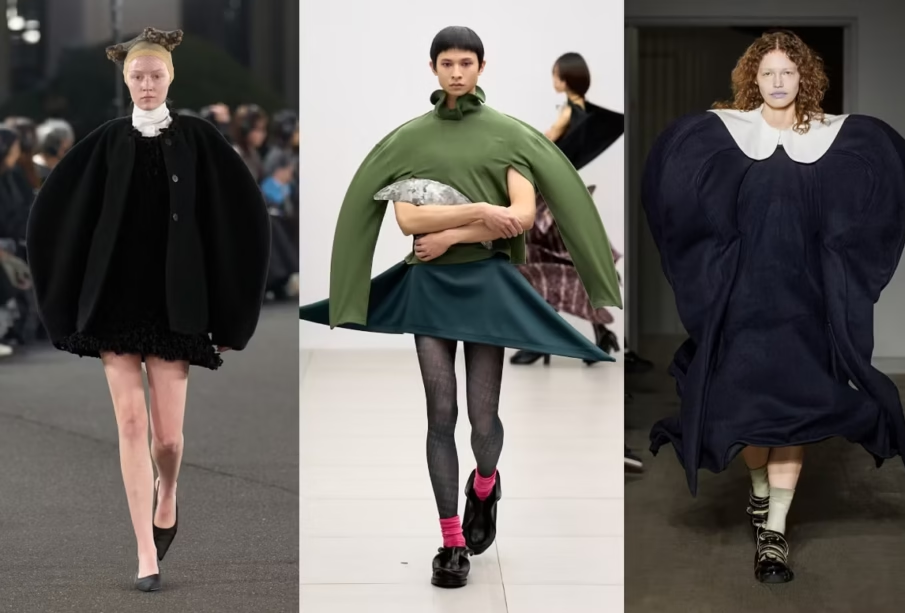
The Autumn/Winter 2026 season at Tokyo Fashion Week delivered one of its most imaginative showcases in recent years, blending theatrical storytelling with technical craftsmanship. Positioned as the closing chapter of the global womenswear calendar, Tokyo reaffirmed its reputation as a hub for avant-garde experimentation and emerging talent.
Across the runways, designers explored a striking duality: ethereal fantasy versus architectural structure, resulting in collections that oscillated between delicate “fairy dust” aesthetics and bold, sculptural forms.
1. Historical reverie and neo-Victorian silhouettes
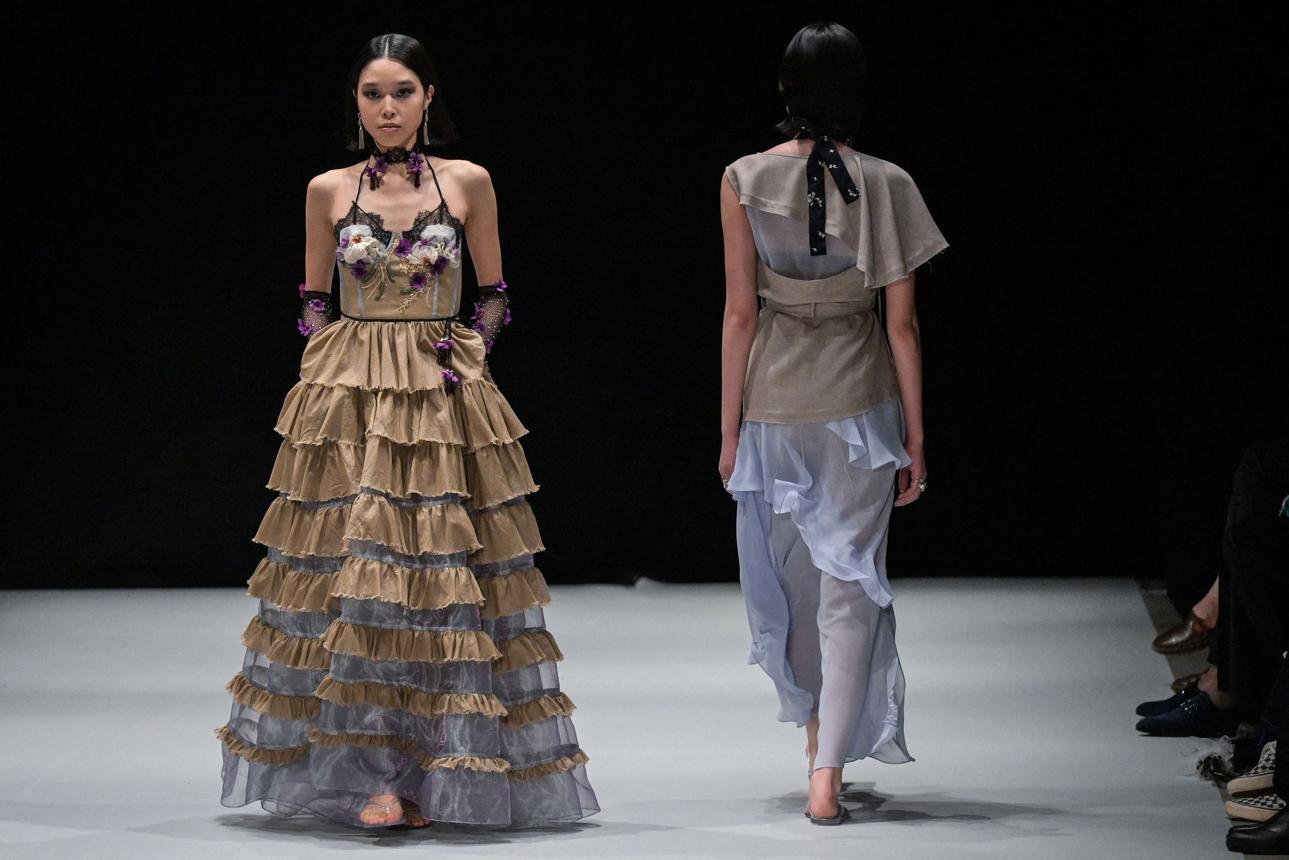
A strong historical undercurrent defined many collections. Designers revisited 18th- and 19th-century dress codes, translating them into modern silhouettes through:
- High necklines and modest cuts
- Layered constructions in muted palettes (black, ivory, navy)
- Ruffled collars and exaggerated cuffs
- Corsetry paired with contemporary fabrics
Brands such as Houga and Mukcyen demonstrated how archival references can be reinterpreted through modern tailoring, often combining period drama aesthetics with wearable structure.
This revival aligns with a broader global trend toward romanticism and historical nostalgia seen across AW26 runways.
2. Fairytale dressing: escapism through fashion
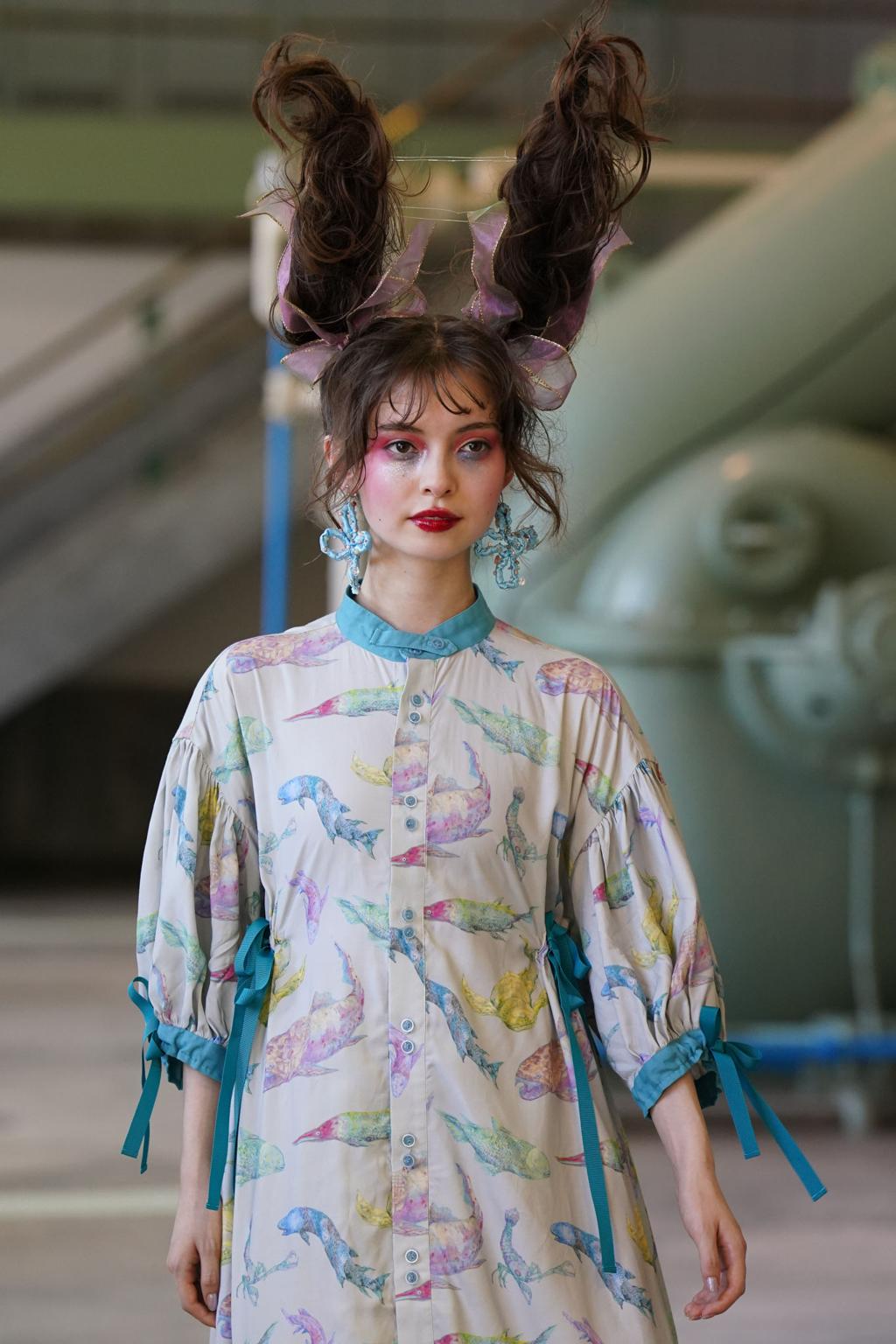
- Pays des Fées presented fairy-inspired looks infused with nature symbolism
- Marika Suzuki explored underwater worlds, using recycled plastics and textiles to mimic coral and algae
These collections reflected a wider industry shift toward escapism and narrative-driven fashion, where garments function as storytelling devices rather than mere clothing.
Notably, sustainability also intersected with fantasy, as designers repurposed materials to construct otherworldly textures and forms.
3. “Creepy cute”: the evolution of kawaii
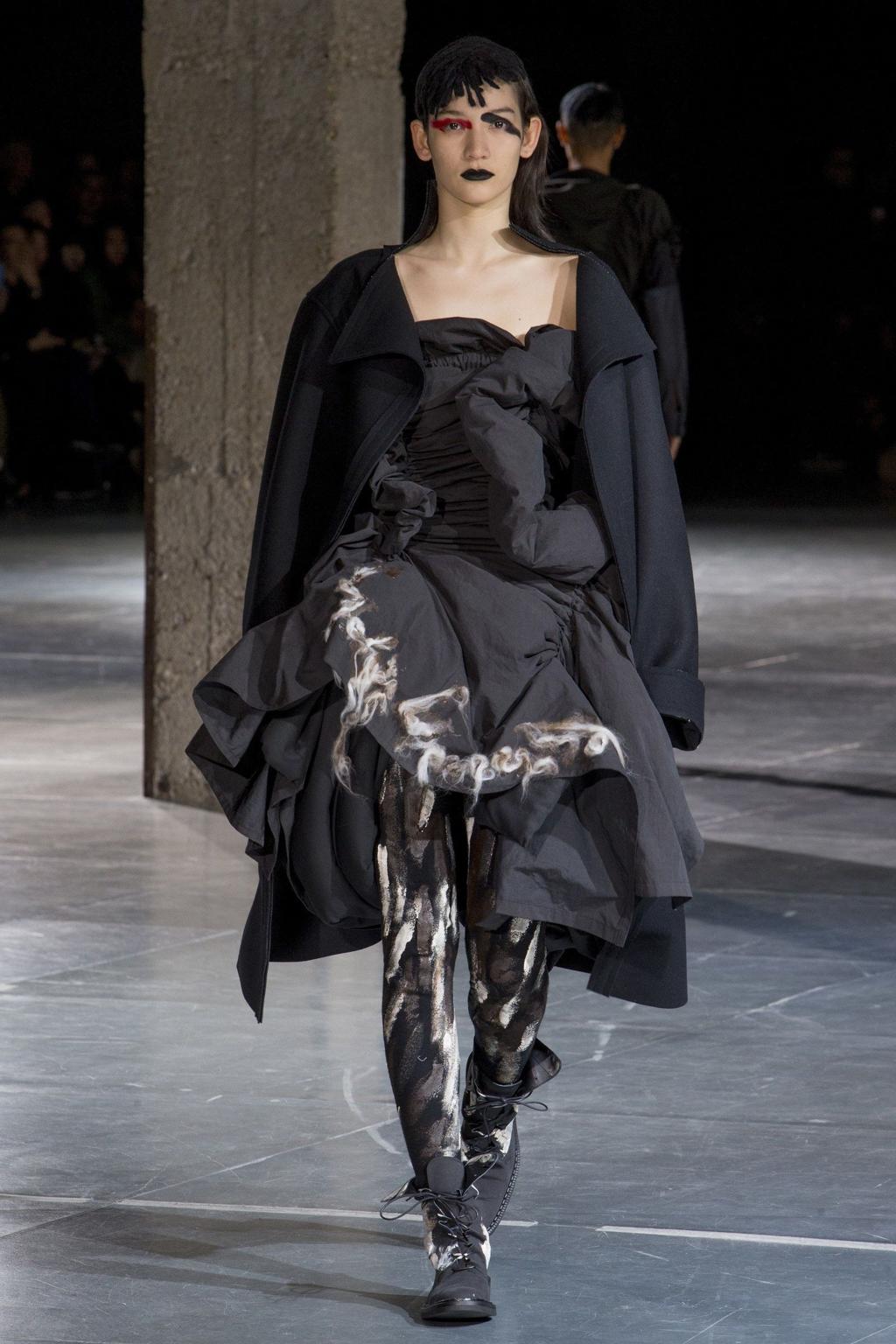
Tokyo’s signature kawaii aesthetic took a darker turn this season, evolving into “gurokawa” (creepy-cute):
- Soft pastel tones contrasted with eerie or chaotic elements
- Tulle, ruffles, and playful silhouettes clashed with darker themes
- Internet-era styling emphasized individuality and performative identity
Collections from Taiwan Select designers and others showcased how digital culture is reshaping fashion language, blending innocence with subversion.
This hybrid aesthetic reflects Gen Z’s embrace of contradiction, cute yet unsettling, nostalgic yet futuristic.
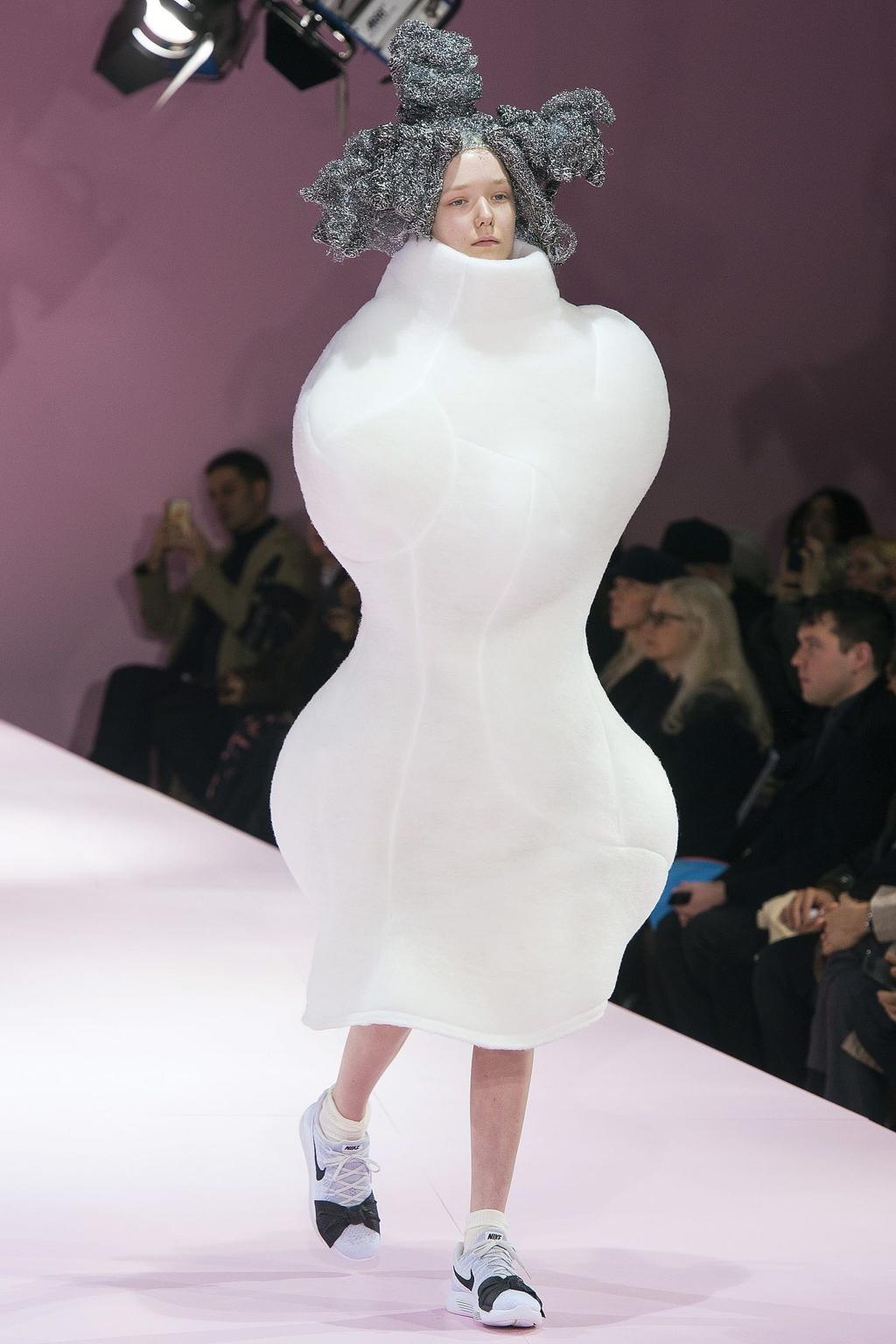
4. Sculptural fashion and exaggerated volume
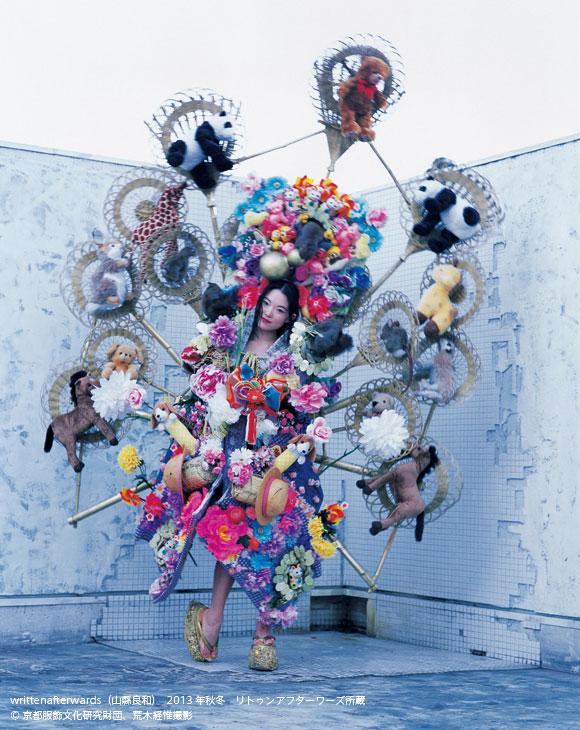
At the opposite end of the spectrum, designers leaned into three-dimensional, sculptural design, transforming garments into wearable art:
- Inflated and padded silhouettes
- Dramatic volumes in skirts and outerwear
- Architectural shapes that distort the natural body
This trend resonates globally, where exaggerated forms are emerging as fashion’s response to shifting body ideals and visual impact in the social media age.
Tokyo’s interpretation, however, stood apart for its craft-led execution, emphasizing handwork and emotional design over purely commercial appeal.
5. Craft, experimentation, and global relevance
Beyond aesthetics, AW26 highlighted Tokyo’s evolving role in the global fashion ecosystem:
- Increasing international participation and visibility
- A focus on handmade, slow fashion techniques
- Emerging designers driving innovation and narrative depth
Despite challenges such as fragmented schedules and shifting industry dynamics, Tokyo continues to position itself as a creative laboratory where unconventional ideas thrive.
A poetic yet provocative season
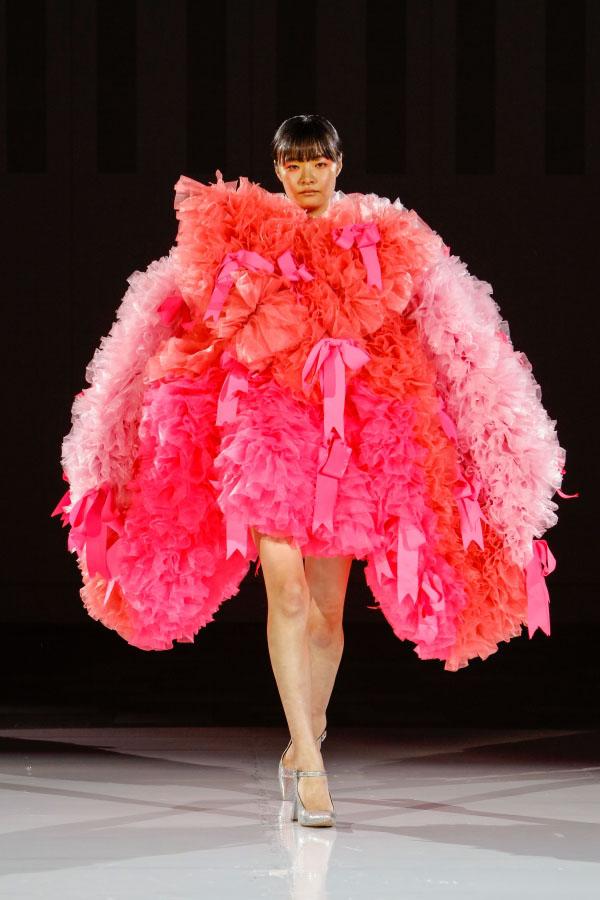
From delicate fairy-inspired looks to bold sculptural statements, Tokyo Fashion Week AW26 presented a compelling vision of fashion’s future one rooted in imagination, contradiction, and craftsmanship.
The season suggests that as the industry grapples with cultural and commercial pressures, Tokyo’s designers are doubling down on what sets them apart: storytelling, experimentation, and the courage to embrace the surreal.


Leave a reply


 Fun times ahead … #lebronjames #lakers #lebron #lustremagazine00:19
- Oscar-winning #MichaelBJordan Congratulations!! #Sinners for winning Best Actor at the 2026 #Oscars00:56
- #Zendaya publicly shared “recovery plan” and its brilliantly low-effort #lustremagazine00:16
- #NickJonas is smooth 😍 #PriyankaChopra #couple00:10
- #AnnaWintour and #MirandaPriestly at the 2026 #Oscars00:14
- #tchalamet and @kyliejenner make their way into the #VFOscars party. Video by wengellg00:06
- #Oscar winner and #Sinners star #MichaelBJordan00:38
- #ElsaPataky #ChrisHemsworth #Oscars #celebritycouple #Oscars202600:08
- #tyla attends the #maisonvalentino AW26 show in Rome #DazedFashionTV #Valentino00:12
- Garmmy 2026 #justinbieber #hailybieber #grammy #lilbieber #lustremagazine00:29
- #zendaya understood the assignment. #tomholland #viral #trend #celebrity00:11
- #LeonardoDiCaprio has graced the #BAFTAs with a rare red-carpet appearance, wearing a #dior00:21
- #annehathaway at the #Balenciaga fashion show 2026 #ParisFashion Week on #thedevilwearsprada00:14
- #Ponytail is back! #ArianaGrande looks gorgeous at the 2026 🎥: ginainterrupted #GoldenGlobes.00:20
- #SHAQ forgot that he bought two Escalades 😅01:14
- #therock and #KevinHart doing the #TortillaChallenge is the funniest thing we’ve seen all week!01:00
- #Oscar Throwbacks, #EmmaStone accepting her second Academy Award (in a broken dress!)01:41
- #Bridgerton cast and crew singing ‘Happy Birthday’ for #Yerin #bridgertonseason400:16
- Inside #queencharlotte wig #bridgerton #bridgertonseason400:08
- #zendaya at the #louisvuitton AW26 #lustremagazine00:17
- #shaq on set for #gravesendseries #shaq #brooklyn #onset #basketball #gangster #epic00:13
- #zendaya dazzling in white at #louisvuitton’s fall/winter #ParisFashionWeek show #lustremagazine00:17
- #shaq #queenlatifah at a NBA playoffs game #shaquilleoneal #nbaplayoffs00:16
- #johnlithgow #albusdumbledore #harrypotter #celebrity00:12
- #sbiff awardees #jacobelordi #wagnermoura #teyanataylor #wunmimosaku #ingalilleaas #sydneysweeney00:07