Guide to Sunscreen Application Tips
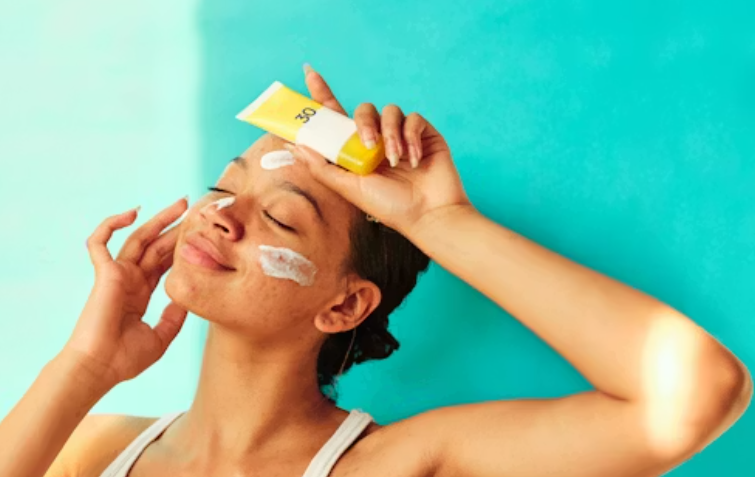
Sunscreen is one of the most important skincare products for protecting the skin from sun damage, premature aging, and long-term health risks. Yet many people still apply it incorrectly, use too little, or forget to reapply during the day. Even the best sunscreen will not deliver full protection if it is not used properly.
Daily sun exposure affects the skin whether you are outdoors for hours, sitting near a window, walking to work, or driving. Ultraviolet rays can penetrate clouds and glass, which means skin protection should not be limited to sunny beach days alone.
Understanding how sunscreen works and how to apply it correctly can make a major difference in maintaining healthy skin and reducing damage caused by ultraviolet radiation.
This guide explains the best sunscreen application tips, how much to use, when to apply it, and common mistakes to avoid.
Why Sunscreen Matters for Skin Health
Sunscreen protects the skin from ultraviolet radiation, especially UVA and UVB rays.
UVA rays penetrate deeply into the skin and are strongly linked to premature aging, wrinkles, and loss of skin elasticity. UVB rays affect the outer layer of the skin and are responsible for sunburn.
Repeated exposure to these rays increases the risk of skin damage over time. This can lead to uneven skin tone, dark spots, fine lines, and a weakened skin barrier.
Consistent sunscreen use helps reduce these effects and supports long-term skin health.
Products such as Sunscreen are designed to create a protective barrier that either absorbs or reflects ultraviolet radiation before it damages the skin.
Learn how to build your skincare routine
Choose the Right Sunscreen First
Correct application begins with choosing a suitable sunscreen.
A broad-spectrum sunscreen is recommended because it protects against both UVA and UVB rays.
Look for an SPF of at least 30. This level blocks most UVB rays and provides reliable daily protection.
Higher SPF levels offer slightly increased protection, but only when applied properly.
Sunscreen also comes in different forms:
-
creams for dry skin
-
gels for oily skin
-
sprays for body coverage
-
sticks for targeted areas such as lips and around the eyes
For daily facial use, lightweight formulas are often easier to wear under makeup or moisturizer.
How Much Sunscreen Should You Apply?
One of the most common mistakes is using too little sunscreen.
For the face and neck, most dermatologists recommend using approximately two finger lengths of sunscreen.
This means squeezing the product along the length of two fingers.
For the entire body, an adult typically needs about one ounce, which is roughly enough to fill a small shot glass.
Using less than the recommended amount reduces the actual SPF protection received.
Even a high-SPF product cannot work effectively if applied too thinly.
Apply Sunscreen Before Sun Exposure
Sunscreen should be applied before stepping outside, not after exposure has already begun.
For chemical sunscreens, apply at least 15 to 20 minutes before going outdoors. This allows the ingredients to bind properly to the skin.
Mineral sunscreens begin working immediately, but still benefit from early application for even coverage.
Morning application should become part of a daily routine, even when staying indoors near windows.
Do Not Forget Commonly Missed Areas
Many people protect the face but forget other exposed areas.
Important spots often missed include:
-
ears
-
neck
-
back of hands
-
feet
-
eyelids
-
hairline
-
lips
These areas receive regular sun exposure and can show signs of aging quickly when neglected.
Lip protection is especially important. A lip balm with sun protection helps protect delicate skin.
Reapply Sunscreen Correctly
Applying sunscreen once in the morning is not enough for full-day protection.
Sunscreen should be reapplied every two hours when outdoors.
Reapplication is especially important after:
-
sweating
-
swimming
-
wiping the skin with a towel
Even water-resistant sunscreens lose effectiveness over time.
For people wearing makeup, sunscreen sprays, cushions, or powder formulas can make reapplication easier during the day.
Sunscreen and Makeup: Which Comes First?
A common question is where sunscreen fits within skincare and makeup routines.
Sunscreen should be applied after moisturizer and before makeup.
A simple order looks like this:
cleanser, moisturizer, sunscreen, then makeup.
This ensures sunscreen forms a protective layer directly on the skin.
Allow sunscreen to settle for a few minutes before applying foundation or powder.
Sunscreen Indoors: Is It Necessary?
Many people skip sunscreen when staying indoors.
However, UVA rays can pass through windows.
If you work near natural light, sit by windows, or drive regularly, daily sunscreen still matters.
Blue light from screens may also contribute to pigmentation concerns for some individuals, especially in darker skin tones.
Consistent indoor sunscreen use helps protect against gradual exposure.
How Weather Affects Sunscreen Use
Cloudy weather often creates a false sense of safety.
Ultraviolet rays still reach the skin even when the sunlight feels weak.
This means sunscreen remains important during:
-
cloudy days
-
rainy seasons
-
cooler months
Sun damage is cumulative, so regular use matters year-round.
Common Sunscreen Mistakes to Avoid
Many sunscreen habits reduce protection without people realizing it.
A common mistake is applying sunscreen only when the sun looks intense.
Another is skipping reapplication because the skin does not feel hot.
Some people also apply sunscreen only to visible facial areas and ignore the neck and hands.
Others rely on makeup products with SPF alone, but makeup usually does not provide enough coverage unless applied in very large amounts.
Is Higher SPF Always Better?
Higher SPF offers more UVB protection, but the difference becomes smaller as SPF increases.
SPF 30 blocks most UVB rays effectively.
SPF 50 provides slightly higher protection, but only when enough product is applied.
The most important factor is not choosing the highest SPF but applying enough and reapplying regularly.
Sunscreen for Different Skin Types
Different skin types often need different sunscreen textures.
Oily skin usually responds better to lightweight gel or fluid formulas.
Dry skin often benefits from moisturizing cream sunscreens.
Sensitive skin may respond better to mineral sunscreens containing zinc oxide or titanium dioxide.
Choosing a texture you enjoy increases daily consistency.
Sunscreen for Dark Skin Tones
Some sunscreens leave a white cast on darker skin.
Modern formulas now offer more invisible finishes that blend better.
Gel-based and tinted sunscreens are often preferred because they reduce visible residue.
Daily protection remains just as important for darker skin because ultraviolet exposure still contributes to pigmentation, uneven tone, and premature aging.
Should You Apply Sunscreen at Home Every Day?
Yes, especially if there is daylight exposure.
Even short exposure during errands, walking outdoors, or sitting near sunlight contributes to cumulative skin damage.
Daily sunscreen works best when it becomes a non-negotiable habit rather than an occasional product.
Making Sunscreen a Daily Habit
The easiest way to stay consistent is to attach sunscreen to an existing morning routine.
Apply it after moisturizer each morning, regardless of plans for the day.
Keeping sunscreen near your skincare products increases consistency.
Portable versions also help with midday reapplication.
Learn why you need vitamin C in your skincare routine
Final Thought
Sunscreen is one of the simplest ways to protect skin health, but correct use determines how effective it will be.
Choosing the right sunscreen, applying enough product, covering often-missed areas, and reapplying throughout the day all contribute to better protection.
Daily sunscreen use supports healthier skin, slows visible aging, and reduces long-term sun damage.
When used consistently, sunscreen becomes one of the strongest foundations of any skincare routine.

Leave a reply


 Fun times ahead … #lebronjames #lakers #lebron #lustremagazine00:19
 Oscar-winning #MichaelBJordan Congratulations!! #Sinners for winning Best Actor at the 2026 #Oscars00:56
 #Zendaya publicly shared “recovery plan” and its brilliantly low-effort #lustremagazine00:16
 #NickJonas is smooth 😍 #PriyankaChopra #couple00:10
 #AnnaWintour and #MirandaPriestly at the 2026 #Oscars00:14
 #tchalamet and @kyliejenner make their way into the #VFOscars party. Video by wengellg00:06
 #Oscar winner and #Sinners star #MichaelBJordan00:38
 #ElsaPataky #ChrisHemsworth #Oscars #celebritycouple #Oscars202600:08
 #tyla attends the #maisonvalentino AW26 show in Rome #DazedFashionTV #Valentino00:12
 Garmmy 2026 #justinbieber #hailybieber #grammy #lilbieber #lustremagazine00:29
 #zendaya understood the assignment. #tomholland #viral #trend #celebrity00:11
 #LeonardoDiCaprio has graced the #BAFTAs with a rare red-carpet appearance, wearing a #dior00:21
 #annehathaway at the #Balenciaga fashion show 2026 #ParisFashion Week on #thedevilwearsprada00:14
 #Ponytail is back! #ArianaGrande looks gorgeous at the 2026 🎥: ginainterrupted #GoldenGlobes.00:20
 #SHAQ forgot that he bought two Escalades 😅01:14
 #therock and #KevinHart doing the #TortillaChallenge is the funniest thing we’ve seen all week!01:00
 #Oscar Throwbacks, #EmmaStone accepting her second Academy Award (in a broken dress!)01:41
 #Bridgerton cast and crew singing ‘Happy Birthday’ for #Yerin #bridgertonseason400:16
 Inside #queencharlotte wig #bridgerton #bridgertonseason400:08
 #zendaya at the #louisvuitton AW26 #lustremagazine00:17
 #shaq on set for #gravesendseries #shaq #brooklyn #onset #basketball #gangster #epic00:13
 #zendaya dazzling in white at #louisvuitton’s fall/winter #ParisFashionWeek show #lustremagazine00:17
 #shaq #queenlatifah at a NBA playoffs game #shaquilleoneal #nbaplayoffs00:16
 #johnlithgow #albusdumbledore #harrypotter #celebrity00:12
 #sbiff awardees #jacobelordi #wagnermoura #teyanataylor #wunmimosaku #ingalilleaas #sydneysweeney00:07