Hair Growth Guide: What Actually Works According to Experts
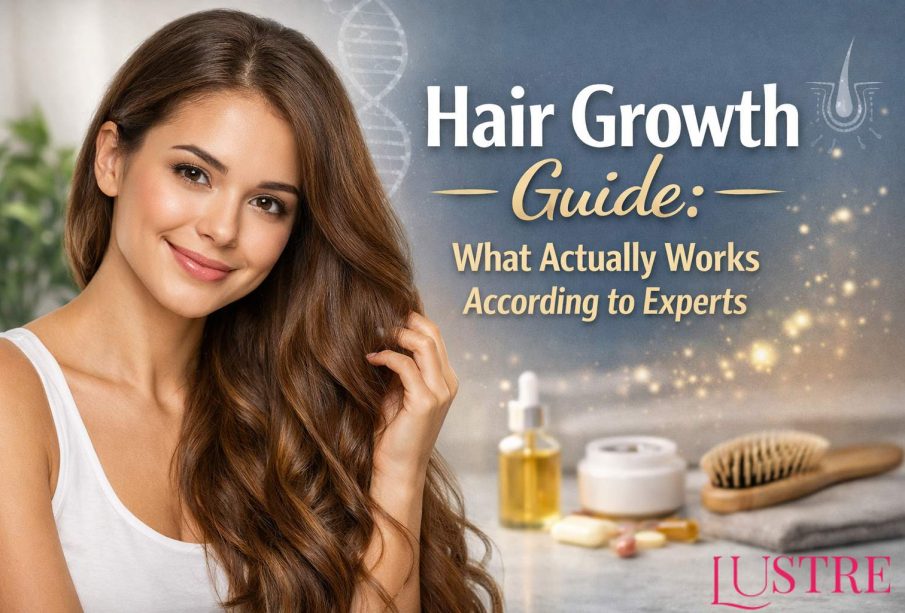
Hair growth is one of the most common concerns in personal care, whether it’s trying to recover from thinning, enhance volume, or maintain healthy locks. With countless products, supplements, and DIY remedies available, it can be overwhelming to separate fact from fiction. In this guide, we’ll break down what actually works for promoting hair growth, based on insights from dermatologists, trichologists, and hair care specialists.
Understanding Hair Growth
Hair grows in cycles: anagen (growth phase), catagen (transition phase), and telogen (resting phase). Each hair follicle follows this cycle independently, which is why shedding is normal. On average, hair grows about 0.5 inches (1.25 cm) per month, but genetics, age, and overall health can influence the rate.
1. Nutrition and Lifestyle Matter
Experts consistently highlight that healthy hair starts from within. Key nutrients for hair growth include:
-
Protein – Hair is primarily made of keratin, a protein. Include eggs, fish, beans, and lean meats in your diet.
-
Iron – Iron deficiency can cause hair thinning. Leafy greens, lentils, and red meat are rich sources.
-
Vitamin D – Low vitamin D levels are linked to hair loss; sun exposure and supplements can help.
-
Omega-3 Fatty Acids – Found in fish, flaxseed, and walnuts, they nourish hair follicles.
-
Biotin – Supports keratin production, though deficiency is rare.
Lifestyle factors are equally important: adequate sleep, stress management, and regular exercise all support healthy hair growth.
2. Scalp Care Is Crucial
A healthy scalp promotes strong hair growth. Experts recommend:
-
Regular cleansing to remove buildup from sebum, pollution, and products.
-
Gentle massaging for 2-3 minutes a day to stimulate blood circulation to hair follicles.
-
Avoiding harsh chemicals like sulfates and high-alcohol products that can dry out the scalp.
3. Hair Growth Treatments That Work
While many remedies claim to grow hair overnight, science backs a few effective treatments:
-
Minoxidil – FDA-approved topical treatment that can improve hair density over several months.
-
Platelet-Rich Plasma (PRP) – Involves injecting your plasma into the scalp to stimulate growth.
-
Low-Level Laser Therapy (LLLT) – Uses light therapy to activate dormant follicles.
-
Prescription options – Finasteride is an oral medication primarily used in men for pattern hair loss.
4. Protecting Hair From Damage
Even if hair is growing well, breakage and damage can make it appear thinner. Experts advise:
-
Limiting heat styling (blow-dry, straighteners, curling irons).
-
Using a wide-tooth comb on wet hair to prevent breakage.
-
Trimming regularly to prevent split ends.
-
Opting for protective hairstyles that reduce tension on the scalp.
5. Setting Realistic Expectations
Hair growth takes time. Even the most effective treatments require 3-6 months to notice visible results. Patience, consistency, and a holistic approach are key.
FAQs
Q1: Can hair supplements actually make hair grow faster?
A: Supplements can help if you have nutritional deficiencies. For most healthy individuals, a balanced diet is usually sufficient. Over-supplementing, especially with biotin, is unnecessary and can sometimes cause side effects.
Q2: How long does it take to see results from minoxidil?
A: Visible improvement usually takes 3-6 months, with continued use needed to maintain results.
Q3: Does shampooing more frequently promote hair growth?
A: Not directly. Over-washing can strip natural oils and irritate the scalp, potentially weakening hair. A gentle 2-3 times per week routine is typically recommended.
Q4: Are natural oils effective for hair growth?
A: Oils like coconut, castor, and argan oil can condition and protect hair but do not directly stimulate follicle growth. They are excellent for maintaining healthy, strong strands.
Q5: Can stress cause hair loss?
A: Yes. Telogen effluvium is an stress-related shedding condition. Managing stress through mindfulness, exercise, and adequate sleep can reduce hair shedding.
Conclusion
Promoting hair growth is a combination of proper nutrition, scalp care, protective styling, and clinically proven treatments. While there’s no instant solution, consistent care and expert-backed approaches can help you achieve healthier, fuller hair over time.