
How to Build a Skincare Routine for Your Skin Type
Building a skincare routine for your skin type is one of the most important steps you can take toward achieving clear, balanced, and radiant skin. Many people invest in expensive products without first identifying what their skin truly needs. The result is often frustration, breakouts, dryness, irritation, or uneven texture.
Whether your skin produces excess oil, feels tight and flaky, reacts easily, or behaves differently across areas of your face, the right structure will help you maintain long-term skin health.
Why Knowing Your Skin Type Matters
Before deciding on products, you need clarity about how your skin functions. This determines the ingredients, textures, and frequency of treatments you should use.
Generally, skin falls into five categories:
- Oil-prone
- Dry
- Combination
- Reactive (sensitive)
- Balanced (normal)
Using the wrong products can weaken your skin barrier, increase sensitivity, or worsen existing concerns. That’s why knowing your skin type is the foundation of building an effective skincare routine for your skin type.
How to Identify Your Skin Type
Not sure where you fall? You can identify your skin type with a few simple observations
- Oily Skin
Oil-prone skin typically appears shiny, especially in the forehead, nose, and chin areas. Enlarged pores and frequent breakouts are also common.
A simple test involves washing your face, waiting about an hour without applying products, and observing the surface. If multiple areas appear glossy or feel greasy, your skin likely produces excess sebum.
- Dry Skin
Dry skin often feels tight after cleansing and may appear dull or flaky. You might notice rough patches or fine lines becoming more visible due to a lack of hydration.
If your skin feels uncomfortable or stretched shortly after washing, dryness could be the issue.
- Combination Skin
Combination skin displays characteristics of both oily and dry skin. Typically, the T-zone (forehead, nose, chin) becomes oily while the cheeks remain normal or dry.
This type requires balance rather than extreme oil control or heavy hydration.
- Sensitive Skin
Sensitive skin reacts easily to products, weather changes, or environmental triggers. Redness, itching, stinging, or irritation after using new skincare items are common signs.
This skin type benefits from gentle, fragrance-free formulations.
- Normal Skin
Normal skin feels balanced, not excessively oily or dry. Pores appear small, breakouts are minimal, and the overall texture looks smooth and even.
Step-by-Step: How to Build a Skincare Routine for Your Skin Type
Now that you know your skin category, let’s break down the structure of a simple yet effective regimen.
Step 1: Cleanse Properly (Morning and Night)
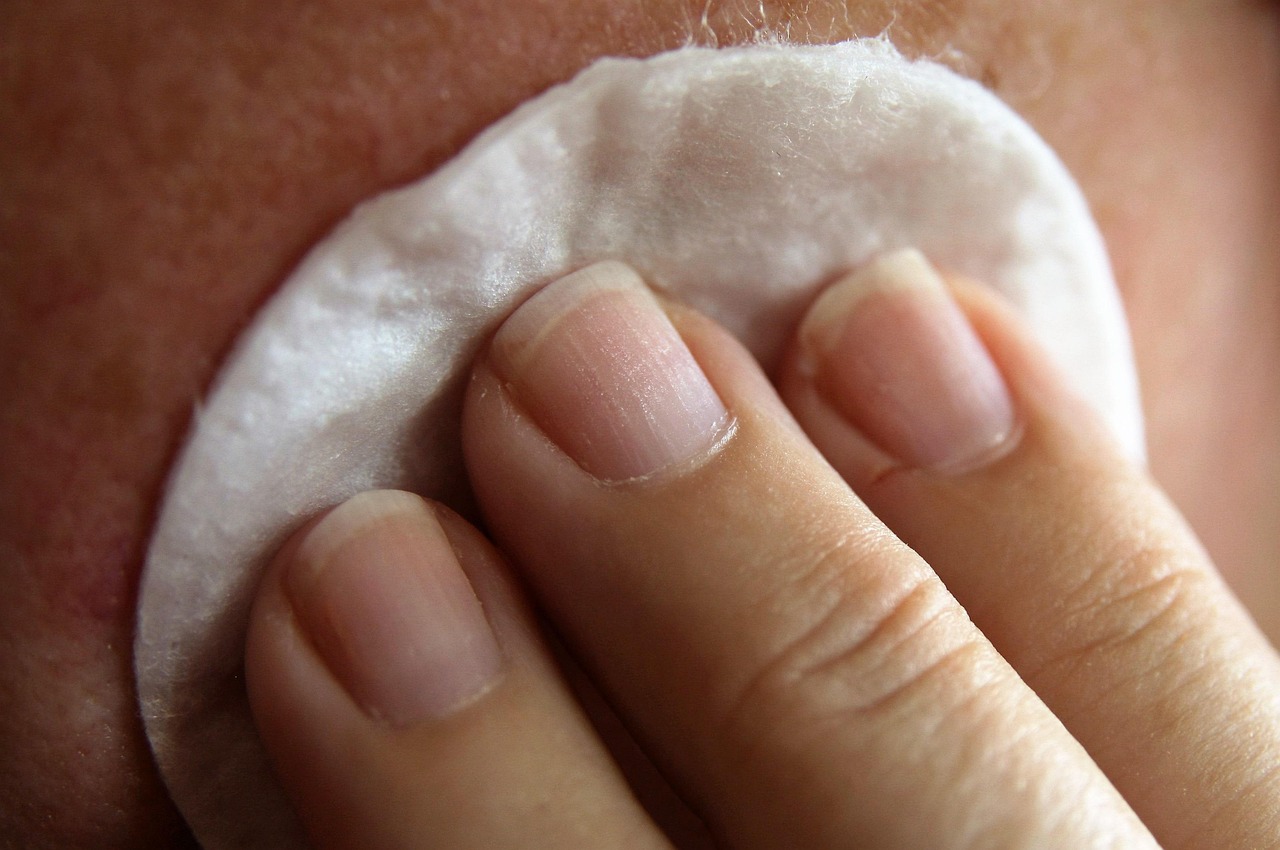
Cleansing removes dirt, sweat, oil, makeup, and environmental pollutants that accumulate throughout the day.
The key is choosing a cleanser that suits your skin type:
- Oil-prone skin benefits from lightweight gel or foaming cleansers.
- Dry skin responds better to cream-based or hydrating cleansers.
- Sensitive skin requires mild, fragrance-free formulas.
- Combination skin often does well with balanced, gentle cleansers.
Massage the cleanser into damp skin for about 30 to 60 seconds. Rinse with lukewarm water, not hot, as high temperatures can strip natural oils and disrupt your barrier.
Cleansing twice daily helps maintain clarity without overwhelming your skin.
Step 2: Exfoliate (1–3 Times Per Week)
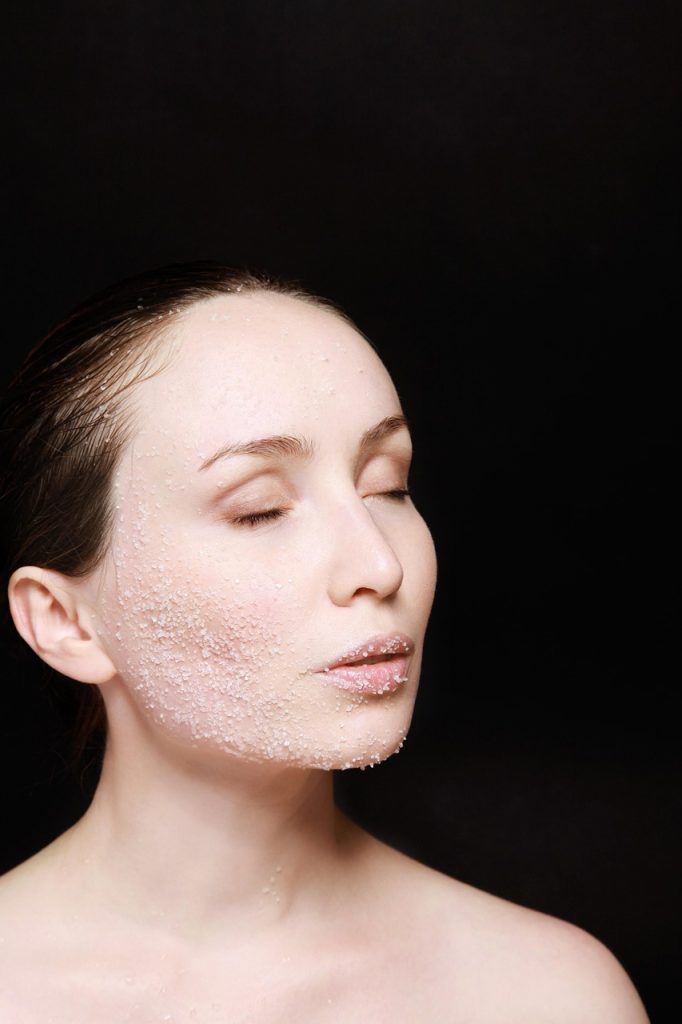
Exfoliation removes dead skin cells and supports a smoother texture. However, frequency depends heavily on your skin type.
Chemical vs Physical Exfoliation
Chemical exfoliants use ingredients like alpha-hydroxy acids (AHAs) or beta-hydroxy acids (BHAs) to dissolve buildup. These are often more controlled and less abrasive.
Physical exfoliants use small particles to manually buff away dead cells. These should be used gently to avoid micro-tears.
Oil-prone skin may tolerate exfoliation up to three times weekly, while dry or sensitive skin may need it only once weekly.
Over-exfoliating can cause irritation, breakouts, or increased sensitivity. Moderation is key when building a skincare routine to avoid product overloading.
Step 3: Use a Toner (Optional but Helpful)

Toners are designed to refresh the skin after cleansing and prepare it for serums or treatments.
Choose alcohol-free formulas that support hydration rather than strip moisture. Toners can also help improve the appearance of pores and refine texture.
While optional, they can enhance the overall effectiveness of your routine.
Step 4: Apply Targeted Treatments

Treatment products are used for specific concerns such as acne, hyperpigmentation, uneven tone, fine lines, or dehydration.
Common active ingredients include:
- Vitamin C for brightening
- Niacinamide for oil regulation and pore appearance
- Hyaluronic acid for hydration
- Retinol for improving texture and fine lines
- Azelaic acid for acne and discoloration
Apply treatments after cleansing (and toning, if used). Use a small amount and allow it to absorb fully before layering other products.
Learn more about layering skincare products in our detailed guide
Introduce new active ingredients gradually to reduce the risk of irritation. This step is especially important when building a beginner-friendly skincare routine.
Step 5: Moisturize Consistently (Morning and Night)
Moisturizing strengthens the skin barrier and locks in hydration. Even oily skin requires a moisturizer.
Choose according to your skin type:
- Lightweight, gel-based moisturizers for oily skin
- Rich creams for dry skin
- Balanced lotions for combination skin
- Soothing formulas for sensitive skin
Apply a little amount of your choice moisturizer and gently massage it into the face and neck using upward motions.
Skipping moisturizer can disrupt your skin’s balance, even if your skin feels oily.
CeraVe moisturizer for all skin types – Shop Now
Step 6: Apply Sunscreen Every Morning
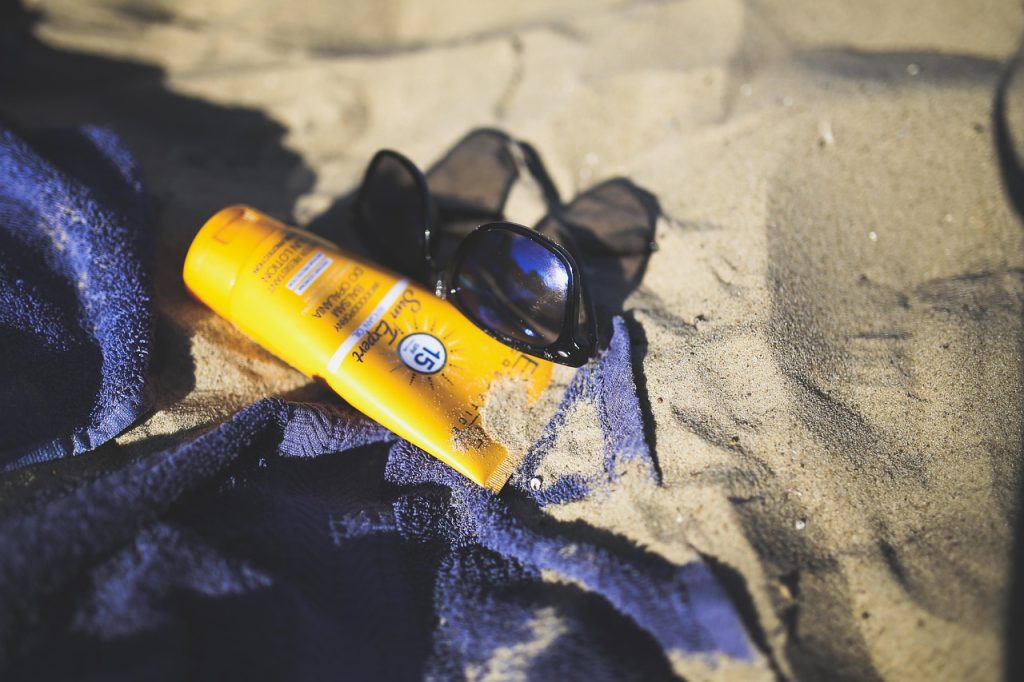
Sun protection is essential regardless of skin type or weather conditions. UV exposure contributes to premature aging, hyperpigmentation, and long-term damage.
Use a broad-spectrum sunscreen with a high SPF to complete your morning routine. Reapply every two hours when exposed to sunlight.
Sunscreen preserves the results of your skincare routine and protects your skin’s overall health.
Night Routine Additions for Better Results
Your nighttime regimen focuses on repair and renewal.
- Double Cleanse
If you wear makeup or sunscreen, consider cleansing twice, first with an oil-based cleanser, followed by your regular cleanser.
- Use Active Ingredients at Night
Retinol and certain exfoliating acids are best applied in the evening. This allows them to work while your skin undergoes natural regeneration during sleep.
- Seal Everything with Moisture
Finish with a nourishing moisturizer to support overnight recovery and maintain hydration.
Beginner Tips for Long-Term Success
Understanding how to build a skincare routine for your skin type is only part of the journey. Consistency and patience determine results.
- Keep It Simple at First
Start with three essentials: cleanser, moisturizer, and sunscreen. Once your skin adjusts, gradually add treatments.
- Avoid Overloading with Products
Using too many active ingredients at once can lead to irritation. Introduce new items one at a time.
- Be Patient with Results
Most skincare improvements take several weeks to become noticeable. Commit to your routine and track gradual progress.
- Patch-Test New Products
Especially if you have sensitive skin, test new products on a small area before full application.
- Adjust as Needed
Your skin can change due to weather, stress, hormones, or age. Reassess your routine periodically to ensure it still meets your needs.
Conclusion
The key to getting clear, healthy skin is personalization, simplicity, and consistency in following a skincare routine.
When your routine matches your skin’s needs, you’ll notice improved texture, better balance, and a healthier glow over time.
Healthy skin isn’t about having more products; it’s about using the right ones in the right way.


Leave a reply


 Fun times ahead … #lebronjames #lakers #lebron #lustremagazine00:19
 Oscar-winning #MichaelBJordan Congratulations!! #Sinners for winning Best Actor at the 2026 #Oscars00:56
 #Zendaya publicly shared “recovery plan” and its brilliantly low-effort #lustremagazine00:16
 #NickJonas is smooth 😍 #PriyankaChopra #couple00:10
 #AnnaWintour and #MirandaPriestly at the 2026 #Oscars00:14
 #tchalamet and @kyliejenner make their way into the #VFOscars party. Video by wengellg00:06
 #Oscar winner and #Sinners star #MichaelBJordan00:38
 #ElsaPataky #ChrisHemsworth #Oscars #celebritycouple #Oscars202600:08
 #tyla attends the #maisonvalentino AW26 show in Rome #DazedFashionTV #Valentino00:12
 Garmmy 2026 #justinbieber #hailybieber #grammy #lilbieber #lustremagazine00:29
 #zendaya understood the assignment. #tomholland #viral #trend #celebrity00:11
 #LeonardoDiCaprio has graced the #BAFTAs with a rare red-carpet appearance, wearing a #dior00:21
 #annehathaway at the #Balenciaga fashion show 2026 #ParisFashion Week on #thedevilwearsprada00:14
 #Ponytail is back! #ArianaGrande looks gorgeous at the 2026 🎥: ginainterrupted #GoldenGlobes.00:20
 #SHAQ forgot that he bought two Escalades 😅01:14
 #therock and #KevinHart doing the #TortillaChallenge is the funniest thing we’ve seen all week!01:00
 #Oscar Throwbacks, #EmmaStone accepting her second Academy Award (in a broken dress!)01:41
 #Bridgerton cast and crew singing ‘Happy Birthday’ for #Yerin #bridgertonseason400:16
 Inside #queencharlotte wig #bridgerton #bridgertonseason400:08
 #zendaya at the #louisvuitton AW26 #lustremagazine00:17
 #shaq on set for #gravesendseries #shaq #brooklyn #onset #basketball #gangster #epic00:13
 #zendaya dazzling in white at #louisvuitton’s fall/winter #ParisFashionWeek show #lustremagazine00:17
 #shaq #queenlatifah at a NBA playoffs game #shaquilleoneal #nbaplayoffs00:16
 #johnlithgow #albusdumbledore #harrypotter #celebrity00:12
 #sbiff awardees #jacobelordi #wagnermoura #teyanataylor #wunmimosaku #ingalilleaas #sydneysweeney00:07