How to Choose the Perfect Perfume
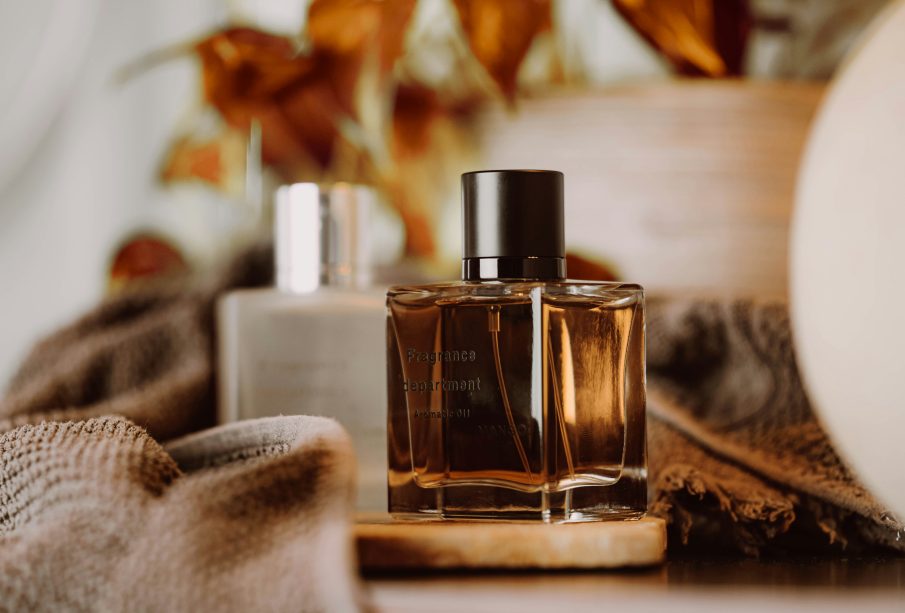
A perfume is much more than a pleasant scent. Fragrance has the power to express personality, evoke memories, and influence how others perceive you. For many people, a signature scent becomes part of their identity, something that leaves a lasting impression long after they have left the room.
However, choosing the perfect perfume can feel overwhelming. With thousands of fragrances available on the market, selecting the one that truly suits your style, mood, and body chemistry requires a bit of knowledge and experimentation.
The good news is that finding the right fragrance can also be an exciting journey. By understanding perfume concentrations, learning about fragrance families, and testing scents correctly, you can discover a perfume that feels uniquely yours.
Understand the Different Types of Perfume
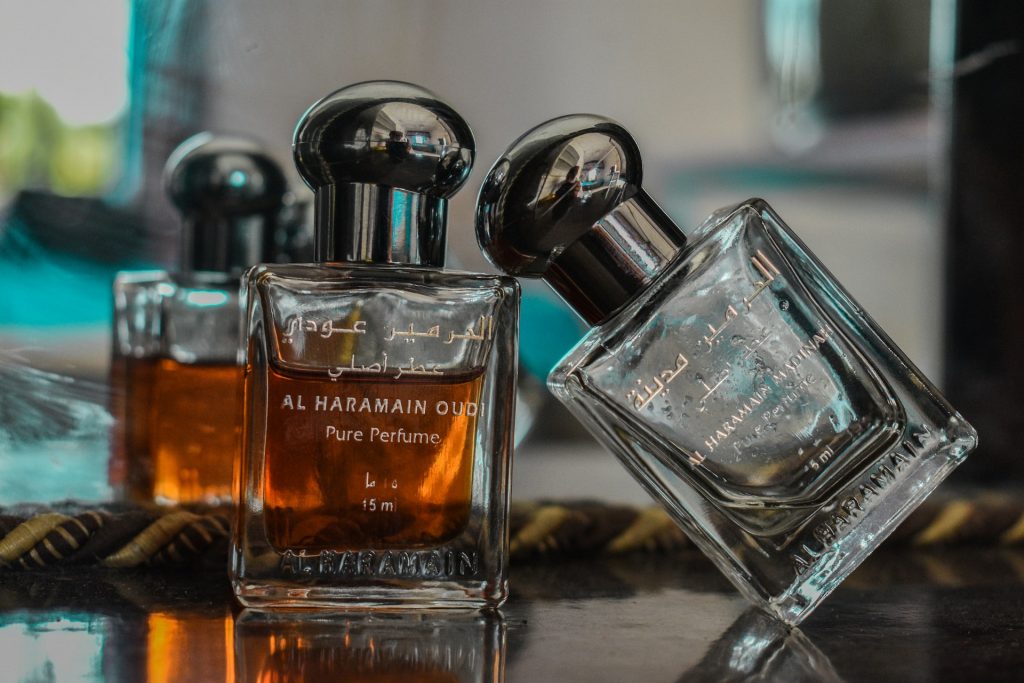
Before selecting a fragrance, it is important to understand that perfumes come in different concentrations. The concentration refers to the amount of perfume oil present in the fragrance, which affects both its intensity and how long it lasts on your skin.
Extrait de Parfum (Pure Perfume)
Extrait de parfum, also known as pure perfume, has the highest concentration of fragrance oils. Because of this, it is the most intense and long-lasting type of perfume available. A few drops can last anywhere from 8 to 12 hours or even longer.
This type of fragrance is typically more luxurious and expensive, but it provides a deeper and richer scent experience.
Eau de Parfum (EDP)
Eau de parfum is one of the most popular fragrance types. It contains slightly less perfume oil than pure perfume but still offers strong longevity.
An eau de parfum generally lasts 6 to 8 hours, making it suitable for both daytime and evening wear.
Eau de Toilette (EDT)
Eau de toilette has a lighter concentration and is often fresher and more subtle than eau de parfum. It usually lasts around 4 to 6 hours.
Because of its lighter nature, it is commonly used as an everyday fragrance.
Eau de Cologne (EDC)
Eau de cologne is the lightest fragrance concentration. It has a refreshing scent but fades quickly, usually lasting 2 to 3 hours.
This type of fragrance is ideal for people who prefer something subtle and refreshing rather than long-lasting.
Understanding these perfume types helps you decide which concentration best suits your lifestyle and preferences.
Identify Your Fragrance Preferences
Another key step in choosing the perfect perfume is identifying the scent profiles that appeal to you the most. Fragrances are grouped into different olfactory families, each with its own unique character.
Knowing which fragrance family you prefer can significantly narrow down your options.
Floral Fragrances
Floral scents are among the most popular fragrance categories. They often feature notes such as rose, jasmine, lily, or peony.
These perfumes are typically soft, romantic, and elegant, making them ideal for those who enjoy feminine and delicate scents.
Citrus or Fresh Fragrances
Fresh fragrances are light, vibrant, and energizing. They commonly include notes like lemon, bergamot, orange, or grapefruit.
These scents are perfect for people who prefer clean, uplifting fragrances that feel refreshing and youthful.
Woody Fragrances
Woody perfumes are warm, sophisticated, and often slightly earthy. Common notes include sandalwood, cedarwood, and vetiver.
They are frequently used in both men’s and women’s fragrances and are perfect for those who enjoy deep and refined scents.
Oriental or Amber Fragrances
Oriental fragrances are rich, warm, and exotic. They often include notes such as amber, vanilla, spices, and resins.
These perfumes tend to feel luxurious and intense, making them ideal for evening wear or colder seasons.
Once you identify which fragrance family appeals to you, it becomes much easier to select perfumes that align with your preferences.
Always Test Perfume on Your Skin
One of the most important steps in choosing a perfume is testing it on your skin. While a fragrance may smell wonderful on a paper blotter, it can smell completely different when applied to your body.
This happens because perfumes interact with your skin chemistry, body temperature, and natural oils.
To test a fragrance correctly:
-
Spray the perfume lightly on your wrist or inner elbow.
-
Avoid rubbing your wrists together, as this can break down the fragrance molecules.
-
Allow the perfume to develop naturally over time.
After applying it, wait at least 20 to 30 minutes to experience the heart notes and base notes before making a decision.
Learn About Perfume Notes

Every perfume is built around a structure of scent layers known as notes. These notes unfold over time after the fragrance is applied.
Understanding how perfume notes work can help you better appreciate how a fragrance develops throughout the day.
Top Notes
Top notes are the first scents you smell immediately after applying a perfume. They are typically light and refreshing, often featuring citrus or herbal elements.
However, top notes usually evaporate quickly within the first 15 to 30 minutes.
Middle Notes (Heart Notes)
Middle notes appear once the top notes fade. They form the main body of the fragrance and typically last several hours.
Common heart notes include floral, fruity, and spicy elements.
Base Notes
Base notes are the deepest and longest-lasting components of the fragrance. They appear after the perfume has settled on the skin.
These notes often include ingredients like musk, vanilla, amber, or wood. Base notes can linger on the skin for many hours and create the lasting impression of the perfume.
By paying attention to how these notes evolve, you can determine whether a fragrance truly suits you.
Consider the Season
Season and climate can also influence which perfumes work best.
- Spring and Summer: Light, fresh, and citrus-based fragrances feel refreshing in warm weather.
- Autumn and Winter: Rich, warm, and spicy scents such as amber or woody fragrances tend to perform better in cooler temperatures.
Choosing fragrances based on the season ensures they feel balanced and comfortable throughout the day.
Avoid Testing Too Many Perfumes at Once
Your sense of smell can quickly become overwhelmed when testing too many fragrances.
Experts recommend trying no more than three to four perfumes at a time. This allows you to fully appreciate each scent without confusing your senses.
Taking short breaks between tests can also help refresh your sense of smell.
Take Your Time Before Deciding
Finding your perfect perfume should never be rushed. A fragrance evolves over several hours, so it’s best to wear it for a full day before deciding if it suits you.
Many perfume boutiques offer samples or discovery sets, which allow you to test a fragrance over several days before committing to a full bottle.
This approach ensures you truly enjoy the scent in different environments and moods.
Build Your Fragrance Collection
While many people search for a single signature scent, it’s also perfectly normal to have multiple fragrances for different moods and occasions.
For example:
-
A fresh citrus fragrance for daytime or work
-
A floral scent for casual outings
-
A warm, amber, or woody perfume for evening events
Having a small fragrance collection allows you to express different aspects of your personality.
Final Thoughts
Choosing the perfect perfume is a personal journey. By understanding fragrance types, identifying your favorite scent families, and allowing perfumes to develop naturally on your skin, you can discover a fragrance that truly reflects your personality.
Take your time exploring different scents, experiment with samples, and trust your instincts. When you find the right perfume, it becomes more than just a fragrance; it becomes a signature part of who you are.


Leave a reply


 Fun times ahead … #lebronjames #lakers #lebron #lustremagazine00:19
- Oscar-winning #MichaelBJordan Congratulations!! #Sinners for winning Best Actor at the 2026 #Oscars00:56
- #Zendaya publicly shared “recovery plan” and its brilliantly low-effort #lustremagazine00:16
- #NickJonas is smooth 😍 #PriyankaChopra #couple00:10
- #AnnaWintour and #MirandaPriestly at the 2026 #Oscars00:14
- #tchalamet and @kyliejenner make their way into the #VFOscars party. Video by wengellg00:06
- #Oscar winner and #Sinners star #MichaelBJordan00:38
- #ElsaPataky #ChrisHemsworth #Oscars #celebritycouple #Oscars202600:08
- #tyla attends the #maisonvalentino AW26 show in Rome #DazedFashionTV #Valentino00:12
- Garmmy 2026 #justinbieber #hailybieber #grammy #lilbieber #lustremagazine00:29
- #zendaya understood the assignment. #tomholland #viral #trend #celebrity00:11
- #LeonardoDiCaprio has graced the #BAFTAs with a rare red-carpet appearance, wearing a #dior00:21
- #annehathaway at the #Balenciaga fashion show 2026 #ParisFashion Week on #thedevilwearsprada00:14
- #Ponytail is back! #ArianaGrande looks gorgeous at the 2026 🎥: ginainterrupted #GoldenGlobes.00:20
- #SHAQ forgot that he bought two Escalades 😅01:14
- #therock and #KevinHart doing the #TortillaChallenge is the funniest thing we’ve seen all week!01:00
- #Oscar Throwbacks, #EmmaStone accepting her second Academy Award (in a broken dress!)01:41
- #Bridgerton cast and crew singing ‘Happy Birthday’ for #Yerin #bridgertonseason400:16
- Inside #queencharlotte wig #bridgerton #bridgertonseason400:08
- #zendaya at the #louisvuitton AW26 #lustremagazine00:17
- #shaq on set for #gravesendseries #shaq #brooklyn #onset #basketball #gangster #epic00:13
- #zendaya dazzling in white at #louisvuitton’s fall/winter #ParisFashionWeek show #lustremagazine00:17
- #shaq #queenlatifah at a NBA playoffs game #shaquilleoneal #nbaplayoffs00:16
- #johnlithgow #albusdumbledore #harrypotter #celebrity00:12
- #sbiff awardees #jacobelordi #wagnermoura #teyanataylor #wunmimosaku #ingalilleaas #sydneysweeney00:07