How to Create a Vision Board That Works
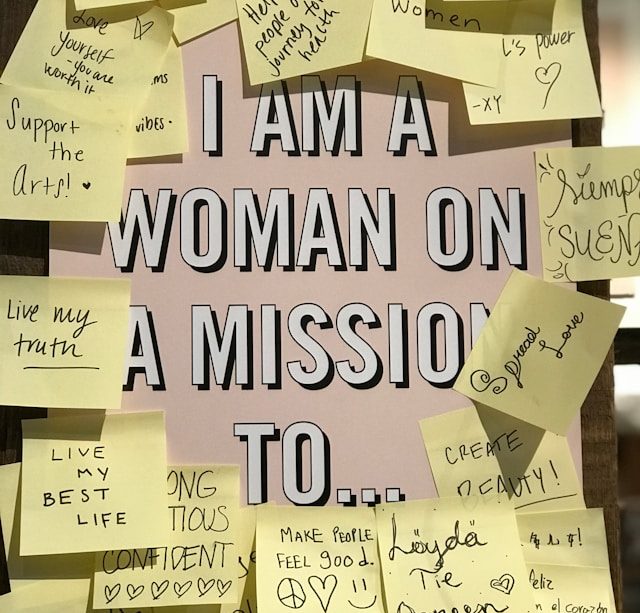
A vision board is more than a collection of attractive pictures placed on a board. It is a practical and intentional tool that helps you turn ideas, goals, and desires into something visible and emotionally meaningful. When created thoughtfully, a vision board becomes a daily reminder of what you want your life to reflect, helping you stay focused, motivated, and connected to your priorities.
Many people use vision boards for career goals, personal growth, finances, relationships, health, and creativity because visual reminders can strengthen commitment to long-term goals. The reason vision boards often feel powerful is that they combine clarity, emotion, imagination, and action in one place.
A well-designed vision board does not simply display wishes. It reflects direction, values, and a clear sense of where you want your life to move.
Why Vision Boards Can Be Effective
Vision boards work because they keep your goals visible and active in your mind. When you repeatedly see images and words connected to your future, you naturally become more aware of opportunities, decisions, and actions that support those goals.
They also help transform vague desires into clear intentions.
For example, instead of saying you want success, a vision board encourages you to define what success actually means to you. It may mean a specific career milestone, emotional peace, financial stability, travel, stronger relationships, or better health.
This process forces clarity, and clarity often leads to better decision-making.
Another reason vision boards are effective is emotional connection. When an image creates excitement, peace, hope, or determination, that emotional response strengthens your commitment to the goal.
A vision board becomes powerful when it reflects how you want your future to feel, not just how you want it to look.
Here are simple steps to creating a vision board that works.
Start by Defining Your Intentions
Before searching for images or opening design tools, the first step is deciding what you truly want your vision board to represent.
Take time to reflect on the areas of your life that matter most right now.
You may ask yourself:
- What do I want to improve?
- What do I want to experience more of?
- What kind of person do I want to become?
- What goals matter most in the next year?
Choose three to five core intentions rather than trying to include everything at once.
These intentions could include:
- Career growth
- Financial stability
- Better health
- Emotional peace
- Stronger relationships
- Creativity
- Confidence
The clearer your intentions are, the easier it becomes to build a vision board that truly works.
Review Your Current Life Before Setting Future Goals
A helpful step many people skip is reviewing where they currently are before deciding where they want to go.
Reflecting on the past year or recent season of life helps you identify what is already working and what needs attention.
This reflection may include achievements, challenges, habits, lessons learned, and areas where you feel stuck.
When you understand your present position, your future goals become more realistic and meaningful.
A journal can help during this stage because writing often reveals priorities that are not immediately obvious.
Select Images That Carry Meaning
The most effective vision boards use images that create a strong emotional response.
Instead of choosing random beautiful pictures, choose visuals that represent something personal and specific.
If your goal is career growth, select an image that reflects the kind of professional environment you want, the type of work you hope to do, or the level of impact you want to create.
If your goal is peace, choose images that genuinely make you feel calm and grounded.
Useful sources for images include:
- Magazines
- Printed online photos
- Canva
The important thing is that each image should connect to a real desire, not just decoration.
Include Words, Numbers, and Affirmations
Words add precision to your vision board.
Images create emotional connection, but words clarify intention.
You can include:
- Personal affirmations
- Specific goals
- Motivational phrases
- Numbers linked to targets
For example, if financial improvement is a goal, a specific income target may be more powerful than a vague money symbol.
If confidence is a focus, include words such as:
- Bold
- Calm
- Capable
- Consistent
Short phrases often work best because they remain visually clear and emotionally direct.
Learn about daily affirmation for confidence
Add Personal Photos
A highly effective technique is to include photos of yourself.
Personal photos create a bridge between your present self and your future goals.
Choose photos where you already feel strong, happy, confident, or peaceful.
This helps reinforce the belief that the future version of you is connected to who you already are.
Some people place themselves directly into aspirational settings digitally, while others simply add meaningful photographs that remind them of personal strength.
Organize Your Vision Board by Life Categories
A structured board often feels clearer and more practical than a random collage.
Dividing your board into life areas helps ensure balance.
Common categories include:
- Career
- Health
- Relationships
- Finances
- Travel
- Personal development
This structure helps you avoid focusing only on one area while neglecting others.
For example, someone highly career-driven may realize they also need to include emotional well-being or family goals.
A balanced vision board reflects a fuller life.
Choose the Right Format for Your Lifestyle
There is no single correct format for a vision board. The best format is the one you will actually see regularly.
Physical Vision Board
A physical board is often created using:
- Poster board
- Corkboard
- Printed images
- Glue
- Scissors
- Markers or decorative materials
Many people enjoy physical boards because the process itself feels creative and intentional.
The act of cutting, arranging, and assembling often deepens emotional engagement.
Digital Vision Board
A digital vision board works well for people who spend most of their time on devices.
Using Canva or similar tools allows you to design a board that can become:
- Phone wallpaper
- Laptop background
- Tablet screen
This creates daily visibility without needing physical wall space.
Digital boards are also easier to update frequently.
Avoid Overloading the Board
One common mistake is adding too many images.
When a board becomes visually crowded, it loses focus.
A clear board is easier to connect with emotionally.
Choose fewer images that truly matter rather than many images with weak meaning.
Every part of the board should feel intentional.
When you look at it, you should quickly understand what your future direction feels like.
Place It Where You See It Daily
A vision board only works when it remains visible.
Place it somewhere you naturally see every day:
- Bedroom wall
- Office desk area
- Closet door
- Home office
- Phone screen
- Computer desktop
Daily visibility matters because repetition strengthens mental focus.
The goal is not to stare at it constantly, but to let it quietly remind you of what matters.
Use Emotion, Not Just Aesthetics
A beautiful board alone is not enough.
The most effective vision boards trigger emotion.
When you look at your board, you should feel something:
- Excitement
- Peace
- Confidence
- Determination
- Gratitude
This emotional reaction is what keeps the board alive psychologically.
A board filled only with fashionable images but no emotional relevance often loses impact quickly.
Update It as Your Goals Evolve
A vision board should not remain static forever.
As goals are achieved, priorities change, and life shifts, your board should reflect that.
Updating it regularly keeps it relevant.
Some people update theirs every few months. Others create a new board yearly.
Removing goals you have achieved can also be deeply motivating because it shows visible progress.
Use the Board as a Practical Road Map
A vision board becomes powerful when paired with action.
It is not only about visualizing success but also about asking:
- What step can I take this week?
- What habit supports this goal?
- What decision aligns with this vision?
For example, if your board includes career advancement, practical action may involve learning a new skill, networking, or improving your portfolio.
The board reminds you of direction, but action moves you there.
Final Thoughts
A vision board works best when it is intentional, emotionally meaningful, and visible enough to influence daily thinking.
It helps transform scattered wishes into a focused direction by combining images, words, emotion, and purpose.
Whether you create a physical board with magazine cutouts or design a digital version using Canva, the key is making sure every part reflects what genuinely matters to you.
When used consistently, a vision board becomes more than decoration. It becomes a quiet guide that keeps your goals present, believable, and actionable every day



Leave a reply


 Fun times ahead … #lebronjames #lakers #lebron #lustremagazine00:19
 Oscar-winning #MichaelBJordan Congratulations!! #Sinners for winning Best Actor at the 2026 #Oscars00:56
 #Zendaya publicly shared “recovery plan” and its brilliantly low-effort #lustremagazine00:16
 #NickJonas is smooth 😍 #PriyankaChopra #couple00:10
 #AnnaWintour and #MirandaPriestly at the 2026 #Oscars00:14
 #tchalamet and @kyliejenner make their way into the #VFOscars party. Video by wengellg00:06
 #Oscar winner and #Sinners star #MichaelBJordan00:38
 #ElsaPataky #ChrisHemsworth #Oscars #celebritycouple #Oscars202600:08
 #tyla attends the #maisonvalentino AW26 show in Rome #DazedFashionTV #Valentino00:12
 Garmmy 2026 #justinbieber #hailybieber #grammy #lilbieber #lustremagazine00:29
 #zendaya understood the assignment. #tomholland #viral #trend #celebrity00:11
 #LeonardoDiCaprio has graced the #BAFTAs with a rare red-carpet appearance, wearing a #dior00:21
 #annehathaway at the #Balenciaga fashion show 2026 #ParisFashion Week on #thedevilwearsprada00:14
 #Ponytail is back! #ArianaGrande looks gorgeous at the 2026 🎥: ginainterrupted #GoldenGlobes.00:20
 #SHAQ forgot that he bought two Escalades 😅01:14
 #therock and #KevinHart doing the #TortillaChallenge is the funniest thing we’ve seen all week!01:00
 #Oscar Throwbacks, #EmmaStone accepting her second Academy Award (in a broken dress!)01:41
 #Bridgerton cast and crew singing ‘Happy Birthday’ for #Yerin #bridgertonseason400:16
 Inside #queencharlotte wig #bridgerton #bridgertonseason400:08
 #zendaya at the #louisvuitton AW26 #lustremagazine00:17
 #shaq on set for #gravesendseries #shaq #brooklyn #onset #basketball #gangster #epic00:13
 #zendaya dazzling in white at #louisvuitton’s fall/winter #ParisFashionWeek show #lustremagazine00:17
 #shaq #queenlatifah at a NBA playoffs game #shaquilleoneal #nbaplayoffs00:16
 #johnlithgow #albusdumbledore #harrypotter #celebrity00:12
 #sbiff awardees #jacobelordi #wagnermoura #teyanataylor #wunmimosaku #ingalilleaas #sydneysweeney00:07