How to Manage Panic Attacks
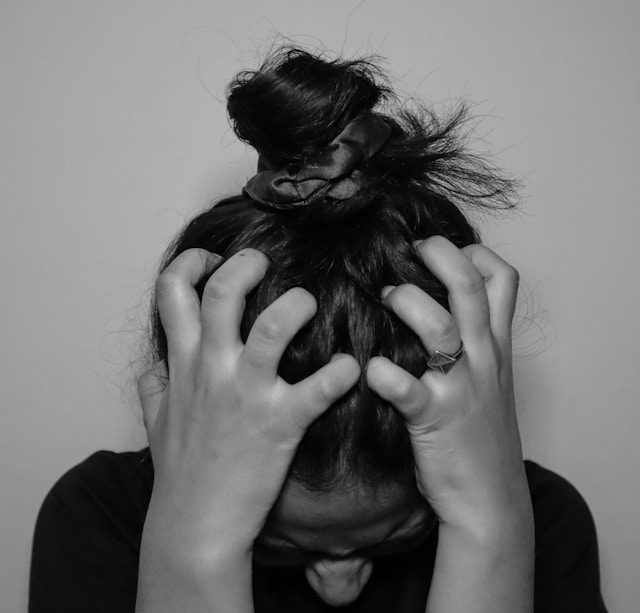
A panic attack can feel sudden, overwhelming, and deeply frightening. For many people, it begins without warning and creates intense physical sensations that can easily be mistaken for a serious medical emergency. A racing heartbeat, chest tightness, dizziness, trembling, shortness of breath, and an intense fear that something terrible is about to happen often make the experience difficult to understand in the moment.
Because panic attacks affect both the body and the mind at the same time, they can leave a person feeling helpless, especially when they happen repeatedly. However, while panic attacks feel severe, they are usually temporary and not dangerous. Understanding what is happening in your body and learning how to respond calmly can make each episode easier to manage.
If you have ever wondered how to manage panic attacks effectively, this guide explains immediate techniques, long-term coping methods, and practical ways to reduce fear when panic begins.
What Is a Panic Attack?
A panic attack is a sudden episode of intense fear or discomfort that reaches a high level within minutes. It often happens quickly and may appear without an obvious reason.
During a panic attack, the body activates its natural stress response system. Hormones such as adrenaline and cortisol are released, preparing the body to respond to danger even when no real threat is present.
This response is often called the fight-or-flight reaction.
Your body behaves as if it must protect itself immediately, which causes the intense symptoms associated with panic.
Although the experience feels frightening, a panic attack is usually temporary. Most episodes peak within ten minutes and begin to settle afterward.
Common Symptoms of a Panic Attack
Panic attacks affect people differently, but common symptoms include:
- Rapid heartbeat or palpitations
- Sweating
- Trembling or shaking
- Shortness of breath
- Feeling unable to breathe deeply
- Chest discomfort
- Dizziness
- Tingling fingers
- Dry mouth
- Nausea
- Ringing in the ears
- Feeling detached from surroundings
- Fear of losing control
- Fear that something serious is happening
Some people also feel a strong urge to escape wherever they are.
Since many symptoms resemble other health concerns, first-time panic attacks often create fear that something life-threatening is happening.
Why Panic Attacks Feel So Intense
The body’s stress response is designed for survival.
When danger is detected, your body quickly increases heart rate, sends more blood to muscles, and changes breathing patterns so you can react quickly.
This system works well during real emergencies.
The problem with panic attacks is that the body activates this system when no actual danger exists.
That is why symptoms feel powerful even though there is no physical threat.
Understanding this helps reduce fear because it reminds you that your body is reacting to anxiety, not to danger.
How to Manage Panic Attacks in the Moment
1. Focus on Slow Breathing
Breathing is one of the most effective ways to calm panic because fast breathing often makes symptoms worse. During panic, breathing usually becomes shallow and rapid, which increases dizziness and chest discomfort. Slow breathing helps send a signal of safety to the nervous system.
A simple breathing exercise:
- Breathe in slowly through your nose for five seconds
- Hold briefly
- Breathe out slowly through your mouth for five seconds
- Repeat for several rounds
Keep your breathing gentle rather than forced.
The goal is to slow the rhythm naturally.
2. Use the 5-4-3-2-1 Grounding Technique
Grounding helps pull attention away from internal fear and back to your surroundings.
This method works by engaging your senses:
- Name 5 things you can see
- Notice 4 things you can touch
- Identify 3 sounds you can hear
- Recognize 2 things you can smell
- Notice 1 thing you can taste
This helps your brain reconnect with the present moment instead of focusing on panic sensations.
Grounding is especially useful when you feel detached or overwhelmed.
3. Remind Yourself That Panic Is Temporary
One of the strongest fears during a panic attack is the belief that it will continue or become worse.
In reality, panic attacks usually rise, peak, and then reduce.
Calm statements can help:
- This is a panic attack
- It will pass
- I am safe
- My body is reacting, but I am not in danger
Repeating these statements reduces fear and helps prevent panic from escalating further.
4. Stay Where You Are If It Is Safe
Many people feel the urge to leave immediately when panic begins.
Although stepping away may feel relieving, leaving too quickly can teach your brain that the place itself is dangerous.
If possible, remain where you are until the intensity lowers.
This teaches your nervous system that panic can pass without escape.
Over time, this builds confidence.
5. Accept What Is Happening Instead of Fighting It
Trying to force panic away often increases tension. A more effective response is acceptance.
Acknowledge the moment calmly:
This is uncomfortable, but it will pass.
Acceptance reduces resistance, which often lowers the intensity faster.
6. Use Cold Sensation to Interrupt Escalation
A sudden cold sensation can help interrupt panic signals.
You can:
- Splash cold water on your face
- Hold an ice cube
- Place a cool cloth on your neck
This physical sensation redirects attention and can quickly slow emotional escalation.
7. Focus on One Object Nearby
Choose something near you and examine it closely.
Notice:
- Its color
- Shape
- Texture
- Fine details
This simple focus can calm racing thoughts.
What Causes Panic Attacks?
Panic attacks can have different triggers for different people.
Common causes include:
- Work stress
- Financial pressure
- Family conflict
- Relationship problems
- Health worries
- Sleep deprivation
- Major life changes
- Grief
- Trauma
- Overstimulation
Sometimes panic appears with no obvious trigger at all.
That does not mean the experience is unusual.
The body can respond to accumulated stress even when the exact cause is unclear.
Long-Term Ways to Reduce Panic Attacks
Practice Calm Breathing Daily
Breathing exercises are more effective when practiced regularly, not only during panic. This helps your body learn calm breathing patterns naturally.
Exercise Regularly
Physical movement helps reduce stress hormones. Walking, stretching, cycling, or light exercise improves emotional regulation.
Exercise also helps release tension stored in the body.
Reduce Caffeine Intake
Caffeine can increase heart rate and create sensations similar to panic. For some people, reducing coffee, energy drinks, and strong tea makes a significant difference.
Maintain Stable Eating Habits
Skipping meals can lower blood sugar and increase anxiety symptoms. Eating regular meals helps stabilize energy and mood.
Improve Sleep Quality
Poor sleep makes the nervous system more sensitive. Consistent sleep supports emotional recovery.
Limit Alcohol and Nicotine
Although alcohol and cigarettes may feel calming temporarily, they often worsen anxiety later.
Learn Your Personal Triggers
Keeping track of when panic happens may help you identify patterns. Triggers may include certain environments, thoughts, or physical exhaustion. Awareness improves prevention.
When Professional Help Is Important
You should seek professional help if:
- Panic attacks happen often
- Fear affects your daily routine
- You avoid places because of panic
- Anxiety feels difficult to control
A healthcare professional may recommend therapy. One of the most effective treatments is cognitive behavioral therapy, often called CBT.
CBT helps identify thought patterns that fuel panic and teaches practical coping skills. In some cases, medication may also be recommended depending on symptoms.
Read more on the best option to tackle panic attacks
Supporting Yourself Emotionally After a Panic Attack
Many people feel exhausted after panic. This is normal because the body has used significant energy during the stress response.
After an attack:
- Rest if needed
- Drink water
- Breathe slowly
- Avoid judging yourself
Recovery is part of the process.
Learn about daily affirmations that boost self confidence
Can Panic Attacks Go Away Completely?
For many people, panic attacks become less intense and less frequent once coping strategies are practiced consistently.
The goal is not only to stop panic but to reduce fear of panic itself. When you stop fearing the symptoms as much, panic often loses power.
Final Thoughts
Learning how to manage panic attacks gives you practical control during moments that feel overwhelming. Each time you breathe slowly, ground yourself, and stay calm through discomfort, you strengthen your ability to cope.
Progress may take time, but every calm response teaches your body that panic is temporary and manageable




Leave a reply


 Fun times ahead … #lebronjames #lakers #lebron #lustremagazine00:19
 Oscar-winning #MichaelBJordan Congratulations!! #Sinners for winning Best Actor at the 2026 #Oscars00:56
 #Zendaya publicly shared “recovery plan” and its brilliantly low-effort #lustremagazine00:16
 #NickJonas is smooth 😍 #PriyankaChopra #couple00:10
 #AnnaWintour and #MirandaPriestly at the 2026 #Oscars00:14
 #tchalamet and @kyliejenner make their way into the #VFOscars party. Video by wengellg00:06
 #Oscar winner and #Sinners star #MichaelBJordan00:38
 #ElsaPataky #ChrisHemsworth #Oscars #celebritycouple #Oscars202600:08
 #tyla attends the #maisonvalentino AW26 show in Rome #DazedFashionTV #Valentino00:12
 Garmmy 2026 #justinbieber #hailybieber #grammy #lilbieber #lustremagazine00:29
 #zendaya understood the assignment. #tomholland #viral #trend #celebrity00:11
 #LeonardoDiCaprio has graced the #BAFTAs with a rare red-carpet appearance, wearing a #dior00:21
 #annehathaway at the #Balenciaga fashion show 2026 #ParisFashion Week on #thedevilwearsprada00:14
 #Ponytail is back! #ArianaGrande looks gorgeous at the 2026 🎥: ginainterrupted #GoldenGlobes.00:20
 #SHAQ forgot that he bought two Escalades 😅01:14
 #therock and #KevinHart doing the #TortillaChallenge is the funniest thing we’ve seen all week!01:00
 #Oscar Throwbacks, #EmmaStone accepting her second Academy Award (in a broken dress!)01:41
 #Bridgerton cast and crew singing ‘Happy Birthday’ for #Yerin #bridgertonseason400:16
 Inside #queencharlotte wig #bridgerton #bridgertonseason400:08
 #zendaya at the #louisvuitton AW26 #lustremagazine00:17
 #shaq on set for #gravesendseries #shaq #brooklyn #onset #basketball #gangster #epic00:13
 #zendaya dazzling in white at #louisvuitton’s fall/winter #ParisFashionWeek show #lustremagazine00:17
 #shaq #queenlatifah at a NBA playoffs game #shaquilleoneal #nbaplayoffs00:16
 #johnlithgow #albusdumbledore #harrypotter #celebrity00:12
 #sbiff awardees #jacobelordi #wagnermoura #teyanataylor #wunmimosaku #ingalilleaas #sydneysweeney00:07