
How to Organize Your Closet
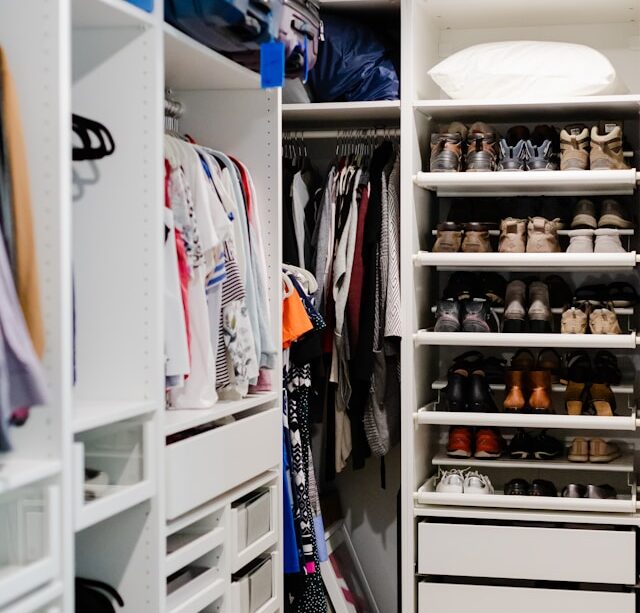
A well-organized closet does more than make your room look tidy. It saves time in the morning, reduces stress, protects your clothes, and helps you build outfits more easily. In many homes, closets quickly become overcrowded because clothes are added regularly while old items remain untouched. Over time, this creates clutter that makes dressing feel frustrating rather than enjoyable.
Closet organization is not simply about folding clothes neatly or buying storage boxes. It begins with understanding what you own, removing what no longer serves you, and building a system that fits your daily lifestyle.
Whether you have a compact wardrobe or a larger closet, the right method can completely transform how your space works for you.
Step One: Empty Everything and Edit Your Wardrobe
The first and most important step is removing everything from your closet. This includes clothing, shoes, handbags, scarves, belts, and every stored accessory. Emptying the space allows you to see exactly how much you own and gives you a clean starting point.
Once the closet is empty, clean the shelves, wipe down surfaces, vacuum the floor, and clear dust from corners. A fresh space makes reorganizing easier and more effective.
After cleaning, begin sorting every item into clear groups:
- Keep
- Donate
- Sell
- Repair
- Toss
This editing stage requires honesty. Many wardrobes contain items that no longer fit, pieces that are damaged, or clothes that have not been worn for years.
A practical way to decide is by asking simple questions:
- Have I worn this in the last three months?
- Does it still fit properly?
- Does it reflect my current style?
- Can I create multiple outfits with it?
A useful wardrobe rule many organizers recommend is the idea that most people wear only a small portion of their wardrobe regularly. If an item has stayed untouched for a long time and no longer fits your lifestyle, it may be time to let it go.
For uncertain pieces, the hanger method works well. Turn hangers backwards after organizing. Once you wear an item, return the hanger normally. After several months, anything still hanging backwards becomes easy to identify as rarely used.
Step Two: Build a Closet System That Matches Your Lifestyle
Once you know what stays, the next step is creating a structure that makes dressing easier every day.
The best closet systems are simple enough to maintain.
Start by grouping similar items:
- Shirts with shirts
- Trousers with trousers
- Dresses with dresses
- Jackets with jackets
- Knitwear with knitwear
This immediately makes your wardrobe easier to navigate because every category has a clear location.
After grouping by type, organize each category by color. Arrange lighter shades first, then medium tones, then darker colors.
For example:
- White
- Cream
- Beige
- Grey
- Blue
- Brown
- Black
Color arrangement creates a clean visual effect and helps identify duplicates or missing essentials quickly.
Another effective method is organizing by frequency of use.
Keep daily essentials at eye level:
- Workwear
- Frequently worn tops
- Everyday trousers
- Favorite dresses
Items worn less often, such as occasion wear, can be placed on upper shelves or less accessible areas.
This practical layout saves time because your most-used clothing is easiest to reach.
For people whose wardrobes revolve around certain outfit combinations, organizing by clothing relationships also works well.
For example:
If blazers are usually worn with camisoles, keep them close together.
If dresses are often styled with belts, store belts nearby.
Closet systems should support how you naturally dress rather than force unnecessary habits.
Learn the art of outfit repetition
Step Three: Use the Right Storage Methods for Every Item
A functional closet depends heavily on how different items are stored.
Not every piece of clothing should be hung, and not everything should be folded.
What to Hang
Hang clothes that wrinkle easily or need shape protection:
- Blouses
- Dresses
- Blazers
- Trousers
- Skirts
- Structured shirts
Slim velvet hangers are often preferred because they save space and prevent slipping.
Using matching hangers also creates visual consistency and gives the closet a cleaner appearance.
What to Fold
Some items are better folded because hanging can stretch them.
Fold:
- Sweaters
- T-shirts
- Knitwear
- Homewear
- Jersey fabrics
Place folded items neatly on shelves or inside drawers. Avoid stacking too high, as tall piles quickly collapse and become messy.
Use Storage Tools for Small Items
Accessories often create hidden clutter.
Use storage solutions such as:
- Drawer dividers for socks and underwear
- Baskets for scarves
- Small bins for belts
- Trays for jewelry
Clear containers work especially well because contents remain visible.
Matching bins also create a more polished look inside the closet.
Maximize Vertical Space
Many closets waste vertical space.
Add:
- Hanging shelves
- Extra rods
- Stackable bins
- Shelf dividers
An extra lower hanging rod can double the storage for shorter items such as shirts and folded trousers.
Upper shelves are ideal for:
- Seasonal bags
- Special occasion accessories
- Off-season clothing
When using top shelves, clearly labeled bins help keep everything easy to identify.
Step Four: Organize Shoes and Accessories Properly
Shoes often become the most neglected part of closet organization.
Instead of piling shoes randomly, sort them by type:
- Flats
- Heels
- Sneakers
- Sandals
- Boots
A shoe rack, shelf, or clear shoe boxes help keep footwear visible and protected. Frequently worn shoes should remain easiest to reach; seasonal shoes can be stored separately when not in use.
Accessories also deserve a dedicated space; handbags can be arranged upright on shelves, belts can be rolled into drawers or hung vertically, scarves can be placed in baskets or looped through hooks, and jewelry stays easier to manage when stored in trays or hanging organizers rather than mixed loosely.
Visible accessories are more likely to be worn because they remain part of your daily choices.
Step Five: Maintain the Closet with Simple Habits
Closet organization only lasts when maintained regularly; without maintenance, clutter slowly returns.
A few habits help preserve order:
- Return clothes immediately after laundry
- Fold items properly after use
- Avoid leaving worn clothes on chairs or floors
- Rehang clean clothing immediately
A useful maintenance rule is one-in, one-out: when buying a new item, remove one old item. This prevents wardrobe overcrowding.
Another simple habit is keeping a “still clean” basket for clothes worn once but not dirty enough for washing. This prevents half-worn clothes from creating visual clutter. Monthly closet checks also help.
Spend ten minutes each month:
- Straightening hangers
- Refolding shelves
- Removing unused items
- Checking for damaged clothing
Small maintenance prevents major reorganization later.
Learn about Men’s fashion trend in 2026
Final Thoughts
Learning how to organize your closet is not about creating perfection. It is about building a wardrobe system that supports your everyday routine.
A well-arranged closet helps reduce decision fatigue, improves outfit planning, and allows you to fully use what you already own.
The best results come from editing honestly, grouping thoughtfully, storing carefully, and maintaining consistently.
When done properly, your closet becomes more than storage. It becomes a space that works effortlessly with your lifestyle.



Leave a reply


 Fun times ahead … #lebronjames #lakers #lebron #lustremagazine00:19
 Oscar-winning #MichaelBJordan Congratulations!! #Sinners for winning Best Actor at the 2026 #Oscars00:56
 #Zendaya publicly shared “recovery plan” and its brilliantly low-effort #lustremagazine00:16
 #NickJonas is smooth 😍 #PriyankaChopra #couple00:10
 #AnnaWintour and #MirandaPriestly at the 2026 #Oscars00:14
 #tchalamet and @kyliejenner make their way into the #VFOscars party. Video by wengellg00:06
 #Oscar winner and #Sinners star #MichaelBJordan00:38
 #ElsaPataky #ChrisHemsworth #Oscars #celebritycouple #Oscars202600:08
 #tyla attends the #maisonvalentino AW26 show in Rome #DazedFashionTV #Valentino00:12
 Garmmy 2026 #justinbieber #hailybieber #grammy #lilbieber #lustremagazine00:29
 #zendaya understood the assignment. #tomholland #viral #trend #celebrity00:11
 #LeonardoDiCaprio has graced the #BAFTAs with a rare red-carpet appearance, wearing a #dior00:21
 #annehathaway at the #Balenciaga fashion show 2026 #ParisFashion Week on #thedevilwearsprada00:14
 #Ponytail is back! #ArianaGrande looks gorgeous at the 2026 🎥: ginainterrupted #GoldenGlobes.00:20
 #SHAQ forgot that he bought two Escalades 😅01:14
 #therock and #KevinHart doing the #TortillaChallenge is the funniest thing we’ve seen all week!01:00
 #Oscar Throwbacks, #EmmaStone accepting her second Academy Award (in a broken dress!)01:41
 #Bridgerton cast and crew singing ‘Happy Birthday’ for #Yerin #bridgertonseason400:16
 Inside #queencharlotte wig #bridgerton #bridgertonseason400:08
 #zendaya at the #louisvuitton AW26 #lustremagazine00:17
 #shaq on set for #gravesendseries #shaq #brooklyn #onset #basketball #gangster #epic00:13
 #zendaya dazzling in white at #louisvuitton’s fall/winter #ParisFashionWeek show #lustremagazine00:17
 #shaq #queenlatifah at a NBA playoffs game #shaquilleoneal #nbaplayoffs00:16
 #johnlithgow #albusdumbledore #harrypotter #celebrity00:12
 #sbiff awardees #jacobelordi #wagnermoura #teyanataylor #wunmimosaku #ingalilleaas #sydneysweeney00:07