How to Prevent Split Ends and Keep Hair Healthy
Healthy hair is often associated with shine, softness, and length, but one issue that silently prevents many people from achieving these goals is split ends. Split ends happen when the protective outer layer of the hair becomes damaged, causing the tip of the strand to fray or separate. Although split ends may look like a small problem, they can affect the overall appearance, strength, and growth retention of your hair over time ✨
Many people believe their hair is not growing when, in reality, the hair is growing from the roots but breaking at the ends. This breakage often happens because split ends weaken the strand and allow damage to travel upward. Once a strand splits, it cannot permanently repair itself, which means prevention is the most effective strategy.
Understanding how to prevent split ends can help you maintain length, improve hair texture, and keep your hair looking healthier over time.
What Causes Split Ends in Hair?
Split ends develop when hair loses strength and moisture through repeated exposure to damage. The ends of your hair are the oldest part of each strand, which means they have experienced the most washing, styling, sun exposure, friction, and environmental stress.
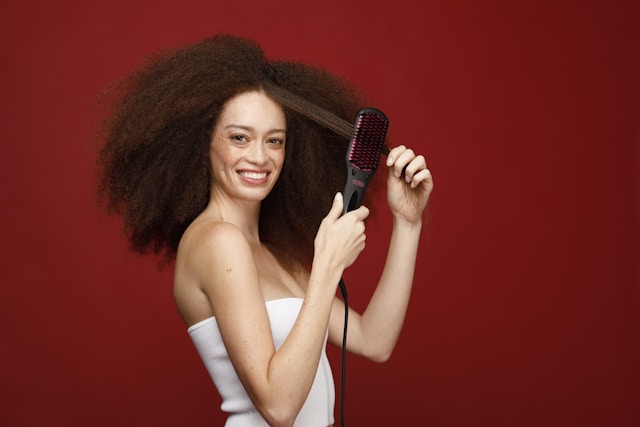
Heat tools such as straighteners, curling irons, and blow dryers are among the biggest causes of split ends because they remove moisture from the hair shaft. Chemical treatments such as coloring, bleaching, and relaxing also weaken the hair structure, making it easier for strands to split.
Daily habits can also contribute to this damage. Rough towel drying, brushing aggressively, tight hairstyles, and even sleeping on rough fabrics can gradually weaken the hair cuticle until splitting begins.
When the protective outer cuticle breaks down, the inner structure becomes exposed, and the strand begins to separate.
Why Regular Trims Prevent Split Ends
One of the most effective ways to prevent split ends is to trim your hair regularly. Many people avoid trimming because they want their hair to grow longer, but damaged ends often cause more breakage, which slows visible length retention.
Regular trims remove weak ends before they split further up the strand. Even small trims can make a big difference in maintaining healthy hair.
How Often Should You Trim Your Hair?
For many people, trimming every 6 to 8 weeks helps maintain healthy ends. If your hair is prone to dryness or damage, light dusting every 3 to 4 weeks may work better.
Dusting involves cutting only tiny amounts of damaged hair without reducing noticeable length. This method helps preserve growth while keeping ends neat.
Trimming does not stop growth. Instead, it helps you keep the growth you already have by reducing breakage.
Best Hair Care Habits to Prevent Split Ends
Daily hair habits matter more than occasional treatments. The way you handle your hair every day determines whether your ends remain healthy or begin to split.
Gentle Detangling Methods
Hair should never be forced through knots or tangles. Rough detangling creates immediate stress on the strand and often leads to breakage.
The best method is to start detangling from the ends and slowly move upward. This reduces tension and prevents unnecessary pulling.
Wide-tooth combs are better than fine combs because they separate strands gently. Finger detangling can also be very effective, especially for textured or natural hair.
Wet hair is particularly fragile, so detangle carefully when hair is damp and conditioned.
Proper Hair Drying Techniques
Many people damage their hair immediately after washing without realizing it. Traditional towels create friction, roughen the cuticle, and pull moisture away from the strand.
Instead of rubbing hair with a towel, blot gently using:
- A microfiber towel
- A cotton T-shirt
These options reduce friction and help preserve moisture.
Allowing hair to air dry whenever possible also lowers heat exposure and helps maintain stronger ends.
How Moisture Helps Prevent Hair Breakage
Dry hair is far more likely to split than moisturized hair. Moisture keeps hair flexible and improves elasticity, which helps strands bend without breaking.
Deep Conditioning Benefits
Deep conditioning treatments help restore moisture to dry hair and strengthen weak strands. A deep conditioner penetrates the hair shaft more effectively than regular conditioner, making it useful for preventing dryness at the ends.
Using a deep conditioning mask once every one or two weeks helps maintain softness and elasticity.
Oils That Protect Hair Ends
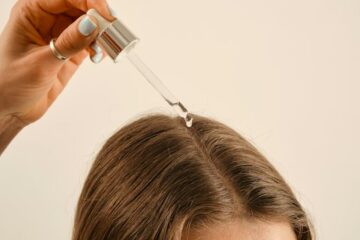
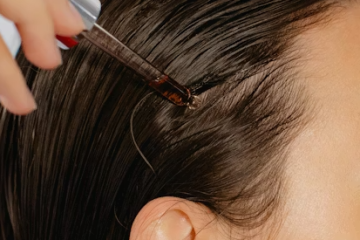
Hair oils help seal moisture into the hair after conditioning. Applying a small amount of oil to the ends protects them from dryness during the day.
Popular oils include:
- Argan oil
- Coconut oil
- Jojoba oil
These oils reduce friction, improve softness, and create a protective layer around the ends.
Hair serums can also smooth the cuticle and reduce visible fraying
Read more about natural oils for hair growth
Reduce Heat Styling to Protect Hair Ends
Heat styling is one of the fastest ways to weaken hair. High temperatures dry out the strand and damage the cuticle.
Straighteners and curling irons are especially harsh when used frequently or at high temperatures.
If you must use heat:
- Apply a heat protectant first
- Use the lowest effective temperature
- Avoid repeated passes over one section
- Limit heat styling frequency
Air drying remains the safest option whenever possible. Even blow-drying should be done on low heat if necessary.
Everyday Mistakes That Cause Split Ends
Some common daily habits silently create damage over time.
Over-Washing Hair
Washing hair too often removes natural oils that protect the strand.
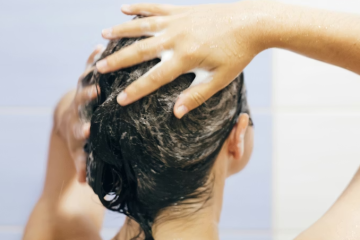
A helpful technique is focusing shampoo mainly on the scalp while allowing conditioner to protect the lower part of the hair.
This keeps the scalp clean without drying the ends.
Tight Hairstyles and Rough Accessories
Very tight ponytails, braids, or buns create constant tension that weakens strands.
Hair accessories with metal parts can catch the hair and tear strands during removal.
Use soft hair ties and avoid styles that pull strongly on the hair.
Less tension means healthier ends over time.
Night Routine for Healthier Hair Ends
Hair continues to experience friction while you sleep.
Cotton pillowcases absorb moisture and create friction that leads to dryness and tangling.
Satin Pillowcases and Silk Bonnets
Switching to satin or silk pillowcases helps reduce friction significantly.
A silk bonnet also protects the hair, especially for curly, coily, or textured hair.
This small nighttime habit often improves moisture retention and reduces breakage 🌙
Avoid Chemical Damage
Hair dyes, bleaching products, relaxers, and chemical treatments weaken hair structure.
Frequent coloring can make strands brittle and dry, especially at the ends.
If you use chemical treatments:
- Increase moisture care
- Space treatments farther apart
- Use strengthening products afterward
Many people notice reduced breakage when they reduce chemical exposure.
Protect Hair From Environmental Damage
Sun exposure, dry weather, and wind also affect hair health.
UV rays can dry out the cuticle, especially when hair is already fragile.
Wearing protective styles, scarves, or hats helps shield the hair from environmental stress.
Even reducing daily touching and re-styling helps protect your ends.
Learn more about natural hair care tips for curly hair
Can Split Ends Be Repaired?
One of the biggest myths in hair care is that split ends can be repaired permanently.
The truth is that once a strand splits, no product can fully reverse it.
Some products temporarily smooth the strand, but trimming is the only true way to remove the split.
That is why prevention always matters more than repair.
Final Thoughts
Preventing split ends is not about expensive products. It is about building simple, consistent habits that protect the hair every day.
Regular trims, moisture, gentle detangling, reduced heat, and less friction all work together to keep ends healthy.
When you treat your ends carefully, your hair retains length better, looks fuller, and feels stronger over time.

Leave a reply


 Fun times ahead … #lebronjames #lakers #lebron #lustremagazine00:19
 Oscar-winning #MichaelBJordan Congratulations!! #Sinners for winning Best Actor at the 2026 #Oscars00:56
 #Zendaya publicly shared “recovery plan” and its brilliantly low-effort #lustremagazine00:16
 #NickJonas is smooth 😍 #PriyankaChopra #couple00:10
 #AnnaWintour and #MirandaPriestly at the 2026 #Oscars00:14
 #tchalamet and @kyliejenner make their way into the #VFOscars party. Video by wengellg00:06
 #Oscar winner and #Sinners star #MichaelBJordan00:38
 #ElsaPataky #ChrisHemsworth #Oscars #celebritycouple #Oscars202600:08
 #tyla attends the #maisonvalentino AW26 show in Rome #DazedFashionTV #Valentino00:12
 Garmmy 2026 #justinbieber #hailybieber #grammy #lilbieber #lustremagazine00:29
 #zendaya understood the assignment. #tomholland #viral #trend #celebrity00:11
 #LeonardoDiCaprio has graced the #BAFTAs with a rare red-carpet appearance, wearing a #dior00:21
 #annehathaway at the #Balenciaga fashion show 2026 #ParisFashion Week on #thedevilwearsprada00:14
 #Ponytail is back! #ArianaGrande looks gorgeous at the 2026 🎥: ginainterrupted #GoldenGlobes.00:20
 #SHAQ forgot that he bought two Escalades 😅01:14
 #therock and #KevinHart doing the #TortillaChallenge is the funniest thing we’ve seen all week!01:00
 #Oscar Throwbacks, #EmmaStone accepting her second Academy Award (in a broken dress!)01:41
 #Bridgerton cast and crew singing ‘Happy Birthday’ for #Yerin #bridgertonseason400:16
 Inside #queencharlotte wig #bridgerton #bridgertonseason400:08
 #zendaya at the #louisvuitton AW26 #lustremagazine00:17
 #shaq on set for #gravesendseries #shaq #brooklyn #onset #basketball #gangster #epic00:13
 #zendaya dazzling in white at #louisvuitton’s fall/winter #ParisFashionWeek show #lustremagazine00:17
 #shaq #queenlatifah at a NBA playoffs game #shaquilleoneal #nbaplayoffs00:16
 #johnlithgow #albusdumbledore #harrypotter #celebrity00:12
 #sbiff awardees #jacobelordi #wagnermoura #teyanataylor #wunmimosaku #ingalilleaas #sydneysweeney00:07