How to Sleep Better in 2026: 15 Science-Backed Tips for Deep, Restful Sleep
In 2026, sleeping well isn’t just about turning off the lights. Between AI-powered devices, endless notifications, hybrid work schedules, and rising stress levels, quality sleep has become both more important and more challenging than ever.
The good news? Sleep science has also evolved.
Here’s your complete, practical guide to sleeping better in 2026.
Why Sleep Feels Harder in 2026
Modern sleep struggles are driven by:
- Increased screen exposure (especially short-form video scrolling)
- Remote work blurring boundaries
- Higher stress and economic uncertainty
- Blue light from devices
- Irregular sleep schedules
- Overstimulation before bed
The solution isn’t extreme biohacking. It’s smart habit design.
15 Proven Ways to Sleep Better in 2026
1. Set a “Digital Sunset”
Shut down screens 60-90 minutes before bed. If you must use devices, enable night mode and reduce brightness.
Pro tip: Put your phone on charge outside your bedroom.
2. Stick to a Consistent Sleep Schedule
Go to bed and wake up at the same time even on weekends. Your circadian rhythm thrives on predictability.
3. Upgrade Your Mattress & Pillows
In 2026, smart mattresses track temperature and movement but even a supportive, breathable mattress can dramatically improve sleep quality.
Replace pillows every 1-2 years.
4. Lower Your Bedroom Temperature
The ideal sleep temperature: 60-67°F (15-19°C). Cooler rooms help trigger melatonin production.
5. Block Light Completely
Use blackout curtains or a sleep mask. Even small light sources (like router LEDs) can disrupt deep sleep.
6. Stop Doomscrolling Before Bed
Social media activates your stress response. Replace scrolling with:
- Reading fiction
- Gentle stretching
- Journaling
- Breathwork
7. Try the 4-7-8 Breathing Method
Inhale for 4 seconds
Hold for 7 seconds
Exhale for 8 seconds
Repeat 4-6 times to calm your nervous system.
8. Limit Caffeine After 1 PM
Caffeine has a half-life of 5-7 hours. Even afternoon coffee can reduce deep sleep.
9. Get Morning Sunlight
Exposure to natural light within 30 minutes of waking helps regulate your circadian rhythm.
Even 10-15 minutes makes a difference.
10. Create a Wind-Down Ritual
Your brain needs cues that bedtime is approaching.
Try:
- Herbal tea
- Dim lighting
- Soft music
- Skincare routine
- Gratitude journaling
Consistency trains your body to expect sleep.
11. Reduce Late-Night Snacking
Heavy meals before bed can cause reflux and disrupt REM sleep.
If needed, choose light options like:
-
Greek yogurt
-
Almonds
-
Banana
12. Try Magnesium Glycinate (If Approved by Your Doctor)
Some people find magnesium supports muscle relaxation and deeper sleep.
Always consult a healthcare professional before supplements.
13. Exercise – But Not Too Late
Regular exercise improves sleep quality.
Avoid intense workouts within 2-3 hours of bedtime.
14. Use White Noise or Brown Noise
Sound machines or apps can mask background disturbances and improve sleep continuity.
15. Stop Watching the Clock
If you wake up at night, avoid checking the time. Clock-watching increases anxiety and makes it harder to fall back asleep.
The 2026 Sleep Mindset Shift
Better sleep isn’t about perfection.
It’s about:
-
Consistency over intensity
-
Calm over stimulation
-
Routine over randomness
Small improvements compound over weeks.
FAQs
1. Why am I more tired in 2026 even if I sleep 7-8 hours?
Quality matters more than quantity. Interrupted sleep, stress, and screen exposure can reduce deep sleep and REM cycles even if total hours look good.
2. Is melatonin safe to take nightly?
Melatonin can help short-term, especially for jet lag. However, long-term nightly use should be discussed with a healthcare provider.
3. How long does it take to fix a sleep schedule?
Most people see improvements within 1-3 weeks of consistent habits.
4. Does blue light really affect sleep?
Yes. Blue light suppresses melatonin production and delays sleep onset.
5. What is the ideal bedtime?
For most adults, sleeping between 10 PM and 11 PM aligns well with natural circadian rhythms but consistency is more important than the exact time.
6. Can anxiety cause insomnia?
Absolutely. Stress activates your nervous system, making it harder to fall and stay asleep. Relaxation techniques can help.
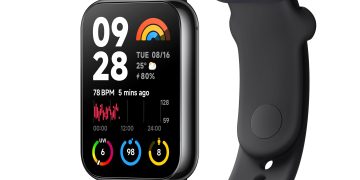
7. Are sleep trackers accurate?
They can provide helpful trends but are not perfectly precise. Focus on how you feel, not just the data.
Conclusion
In 2026, sleep is no longer optional self-care, it’s performance fuel.
Better sleep improves:
- Focus
- Mood
- Immunity
- Metabolism
- Productivity
- Longevity
Start with just two or three of these strategies tonight.
Your future self well-rested, energized, and clear-headed will thank you.