London Fashion Week Fall/Winter 2026 Trends
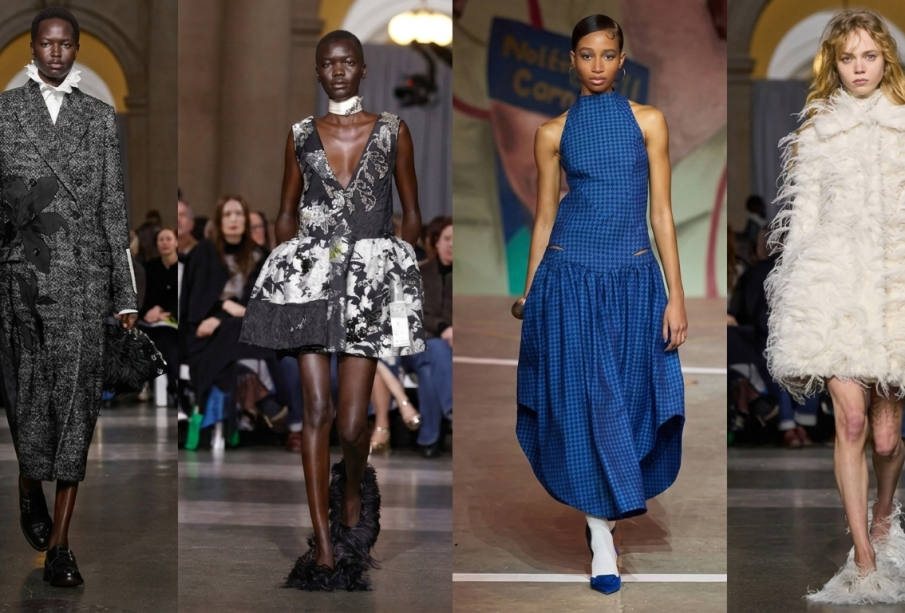
London Fashion Week Fall/Winter 2026 reaffirmed why the British capital remains one of the most influential fashion cities in the world. Known for its fearless creativity, sharp tailoring, and emerging design talent, London Fashion Week Fall/Winter 2026 delivered a season defined by heritage revival, sculptural silhouettes, and tactile winter luxury. This season blended striking runway moments with emerging voices, inclusive experiences, and trend-setting style that will shape autumn/winter wardrobes worldwide.
From iconic fashion houses to boundary-pushing independent designers, the AW26 collections balanced craftsmanship with innovation. This season was not just about clothing; it was about identity, sustainability, and the evolution of modern British style.
In this in-depth recap of London Fashion Week Fall/Winter 2026, we explore the defining trends, standout designers, street style moments, and the cultural impact shaping Autumn/Winter 2026 fashion globally.
Key Trends from London Fashion Week Fall/Winter 2026
The Fall/Winter 2026 collections revealed a strong shift toward structure, texture, and dramatic proportions. Designers embraced bold shapes while staying rooted in British heritage.
Oversized and Sculptural Silhouettes
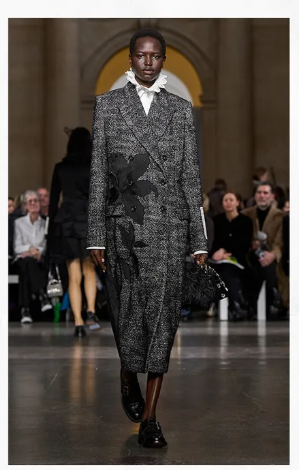
Check out other designs from Erdem AW26 Collection
Power dressing returned with force at London Fashion Week AW26. Oversized shoulders, cocoon coats, dramatic sleeves, and floor-length outerwear dominated the runway.
Tailoring felt architectural rather than minimal. Blazers were elongated, trousers widened, and coats exaggerated. The silhouette message was clear: bold structure equals confidence.
Deep Autumnal Color Palettes
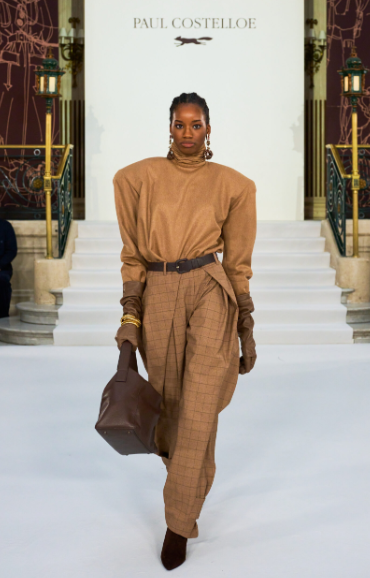
AW26 leaned heavily into rich, moody tones. Midnight blue, burgundy, forest green, charcoal gray, and classic black formed the base of many collections.
Monochromatic styling was particularly strong. Designers layered different shades of the same color to create depth and drama without overwhelming the eye.
These color stories reinforce London’s reputation for refined winter elegance.
Faux Fur, Shearling, and Sheer Layers
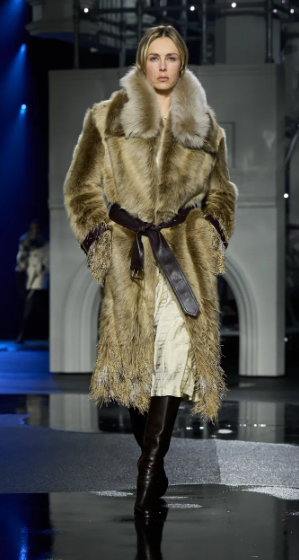
Texture became a defining theme at London Fashion Week Fall/Winter 2026. Heavy winter fabrics were contrasted with delicate details.
Faux fur trims, shearling-lined coats, leather finishes, and velvet fabrics appeared alongside sheer lace panels and translucent layering.
This tactile contrast created collections that felt luxurious yet emotionally expressive, balancing strength with softness.
Designers Who Defined London Fashion Week Fall/Winter 2026
London Fashion Week Fall/Winter 2026 was a masterclass in contrast, romance and rebellion, heritage and futurism, drama and restraint. This season, designers leaned into storytelling, craftsmanship, and bold silhouettes that redefined autumn/winter dressing.
Here’s a closer look at the standout designers.
-
Simone Rocha
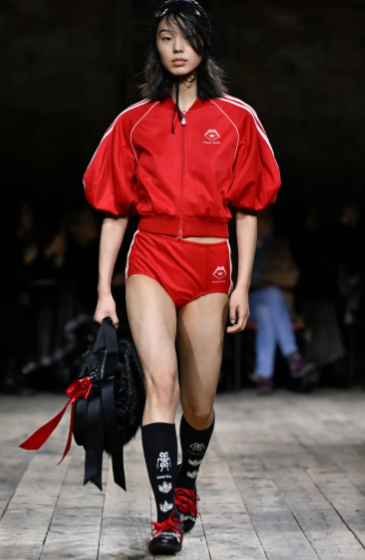
Inside Alexandra Palace Theatre, Simone Rocha unveiled a collection that balanced softness with edge. Ribbons fluttered delicately from shoulders and waists, blazers were paired unexpectedly with kilts, and frilled tracksuits transformed athleticwear into something poetic.
A major highlight of the season was Rocha’s debut partnership with Adidas Originals. The collaboration merged her signature femininity, lace, volume, and romantic detailing with grounded sportswear codes. The result? A refined yet accessible wardrobe where romance coexists with athletic ease.
- Bora Aksu
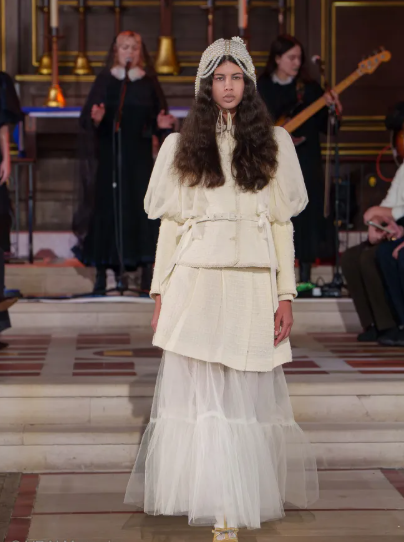
Check out other designs from the Bora Aksu AW26 collection
Set within the dramatic atmosphere of St. Paul’s Cathedral, Bora Aksu presented a haunting Autumn/Winter 2026 collection inspired by “Suki,” an 18th-century English ghost.
The show opened in ethereal white tulle gowns trimmed in lace, gradually shifting into darker hues, deep blacks, crimson tones, and shadowy textures. The collection felt cinematic: fragile yet intense, romantic yet brooding.
Aksu balanced softness and drama with precision. Long black gloves, lace detailing, and structured silhouettes created a gothic narrative that felt both historical and contemporary.
-
Burberry
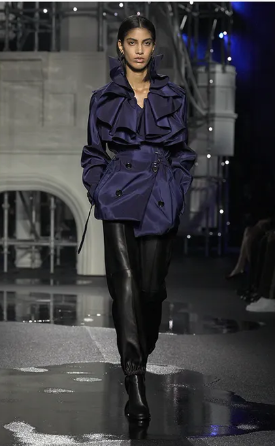
Check out more designs from the Burberry AW26 collection
Under Chief Creative Officer Daniel Lee, Burberry returned to its roots, but with an after-hours twist.
For Winter 2026, trenches were layered over satin slip dresses, raw-edge shearling added texture, and glossy lambskin brought polish. The runway setting, a reimagined Tower Bridge with resin-like puddles reflecting the lights, reinforced the mood: dramatic, urban, unmistakably London.
-
Harris Reed
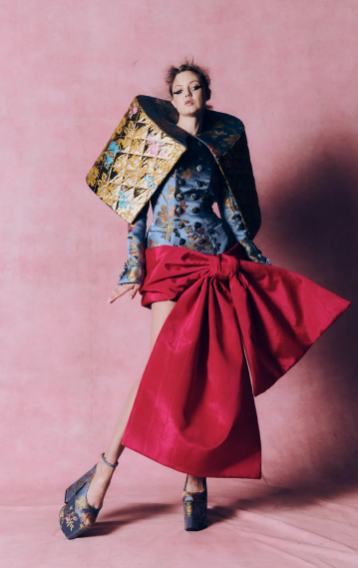
Harris Reed delivered theatrical grandeur for Fall/Winter 2026.
Baroque jacquards, silk damasks, feathers, fringing, and shimmering lamé dominated the runway. Signature corsetry and exposed caging sculpted the body, while sheer panels balanced structure with fluidity.
This season also marked the debut of Reed’s Fluid Bridal, an inclusive celebration of love in all its forms. Ethereal lace gowns and sculptural satin silhouettes reinforced Reed’s ongoing commitment to gender-fluid expression and unapologetic glamour.
-
Conner Ives
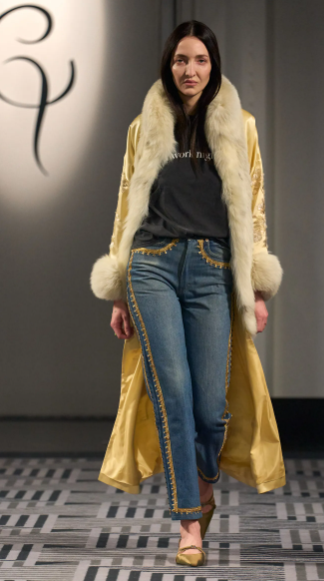
Conner Ives captured the energy of a late-night city scene.
His Fall/Winter 2026 collection was filled with glossy satin fabrics, fur trims, and fluid dresses designed to move with the body. The vibe felt celebratory, confident, youthful, and ready for the dance floor.
Ives’ runway suggested that glamour doesn’t have to be rigid. It can be spontaneous, playful, and deeply personal.
-
Mithridate
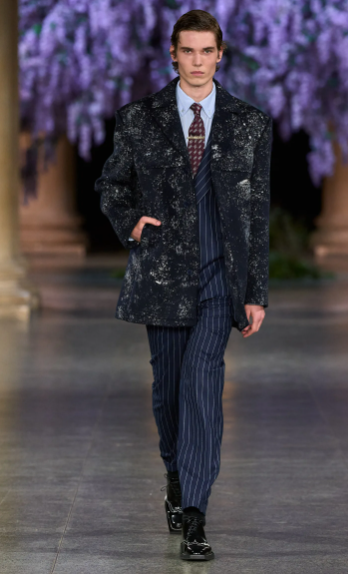
Under creative direction from Daniel Fletcher, Mithridate delivered a collection rooted in cultural dialogue.
Fall/Winter 2026 blended British tailoring traditions; peacoats, heritage tweeds, and structured suits, with meticulous craftsmanship from the brand’s Chinese atelier. The fusion felt thoughtful rather than forced.
This was not surface-level multicultural inspiration; it was a genuine exchange of technique and heritage.
-
Erdem
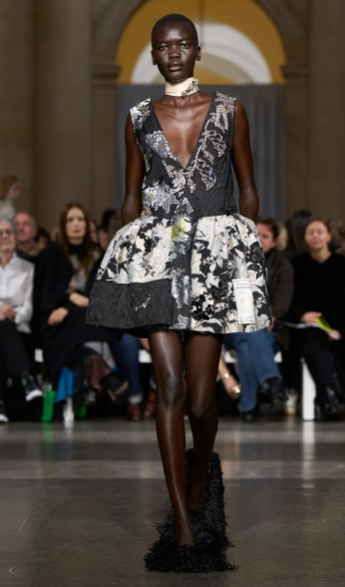
Celebrating its 20th anniversary, Erdem delivered a collection that honored its legacy without leaning on nostalgia.
Creative director Erdem Moralıoğlu doubled down on what the house does best: romantic prints, intricate textures, and tailoring with a subtle twist.
Floral gowns floated down the runway, textured coats added richness, and fringe detailing introduced movement. Rather than revisiting archival hits, Erdem leaned forward, proving longevity comes from evolution, not repetition.
-
Richard Quinn
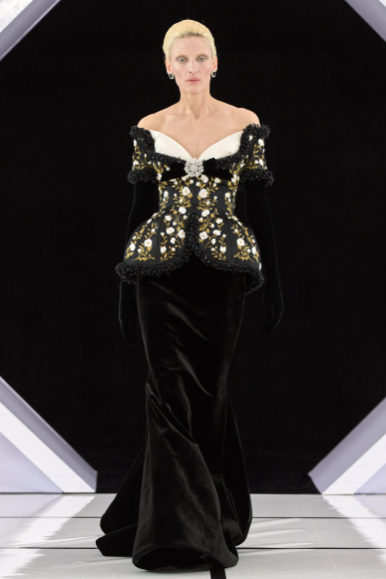
Richard Quinn’s Autumn/Winter 2026 concept centered on the idea of a “future archive.”
Extravagant ballgowns, corseted waists, crystal embellishments, and geometric detailing filled the runway. The collection felt ceremonial, garments designed not just to be worn, but to be preserved.
Quinn’s vision reinforced the importance of craftsmanship in an era of fast consumption. These were heirloom pieces built to last beyond a single season.
-
Emilia Wickstead
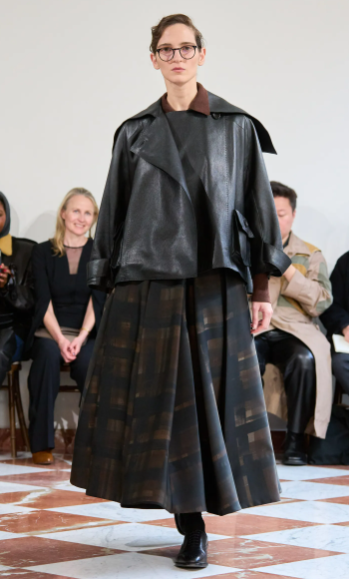
For Autumn/Winter 2026, Emilia Wickstead drew inspiration from Fano Messan, a 1920s Paris creative known for challenging convention through dress.
Wickstead translated this rebellious spirit into exaggerated tailoring, sweeping skirts, and slouchy leather jackets that toughened otherwise feminine silhouettes.
Suits appeared with broader shoulders and looser fits, subtly questioning traditional gender codes. The collection felt powerful without losing elegance, structured yet fluid.
Why London Fashion Week Fall/Winter 2026 Matters
London Fashion Week Fall/Winter 2026 was more than a seasonal showcase; it was a cultural reflection. Designers revisited British heritage while challenging conventions through innovation and inclusivity.
The AW26 season confirmed that modern luxury is evolving. It’s no longer just about exclusivity; it’s about storytelling, sustainability, and strong creative identity.
For fashion professionals, stylists, and trend forecasters, London Fashion Week AW26 offers clear direction for autumn/winter wardrobes: bold structure, layered textures, heritage revival, and expressive individuality.
Conclusion
London Fashion Week Fall/Winter 2026 successfully blended British heritage with forward-thinking design. From sculptural tailoring to sustainability-driven collections, AW26 marked a defining chapter in modern fashion evolution.
The season offered clarity for designers, stylists, and fashion enthusiasts: structure is returning, texture matters, and storytelling drives modern luxury.
As Autumn/Winter 2026 approaches, the influence of London Fashion Week Fall/Winter 2026 will undoubtedly shape wardrobes, editorials, and retail trends worldwide.

Leave a reply


 Fun times ahead … #lebronjames #lakers #lebron #lustremagazine00:19
 Oscar-winning #MichaelBJordan Congratulations!! #Sinners for winning Best Actor at the 2026 #Oscars00:56
 #Zendaya publicly shared “recovery plan” and its brilliantly low-effort #lustremagazine00:16
 #NickJonas is smooth 😍 #PriyankaChopra #couple00:10
 #AnnaWintour and #MirandaPriestly at the 2026 #Oscars00:14
 #tchalamet and @kyliejenner make their way into the #VFOscars party. Video by wengellg00:06
 #Oscar winner and #Sinners star #MichaelBJordan00:38
 #ElsaPataky #ChrisHemsworth #Oscars #celebritycouple #Oscars202600:08
 #tyla attends the #maisonvalentino AW26 show in Rome #DazedFashionTV #Valentino00:12
 Garmmy 2026 #justinbieber #hailybieber #grammy #lilbieber #lustremagazine00:29
 #zendaya understood the assignment. #tomholland #viral #trend #celebrity00:11
 #LeonardoDiCaprio has graced the #BAFTAs with a rare red-carpet appearance, wearing a #dior00:21
 #annehathaway at the #Balenciaga fashion show 2026 #ParisFashion Week on #thedevilwearsprada00:14
 #Ponytail is back! #ArianaGrande looks gorgeous at the 2026 🎥: ginainterrupted #GoldenGlobes.00:20
 #SHAQ forgot that he bought two Escalades 😅01:14
 #therock and #KevinHart doing the #TortillaChallenge is the funniest thing we’ve seen all week!01:00
 #Oscar Throwbacks, #EmmaStone accepting her second Academy Award (in a broken dress!)01:41
 #Bridgerton cast and crew singing ‘Happy Birthday’ for #Yerin #bridgertonseason400:16
 Inside #queencharlotte wig #bridgerton #bridgertonseason400:08
 #zendaya at the #louisvuitton AW26 #lustremagazine00:17
 #shaq on set for #gravesendseries #shaq #brooklyn #onset #basketball #gangster #epic00:13
 #zendaya dazzling in white at #louisvuitton’s fall/winter #ParisFashionWeek show #lustremagazine00:17
 #shaq #queenlatifah at a NBA playoffs game #shaquilleoneal #nbaplayoffs00:16
 #johnlithgow #albusdumbledore #harrypotter #celebrity00:12
 #sbiff awardees #jacobelordi #wagnermoura #teyanataylor #wunmimosaku #ingalilleaas #sydneysweeney00:07