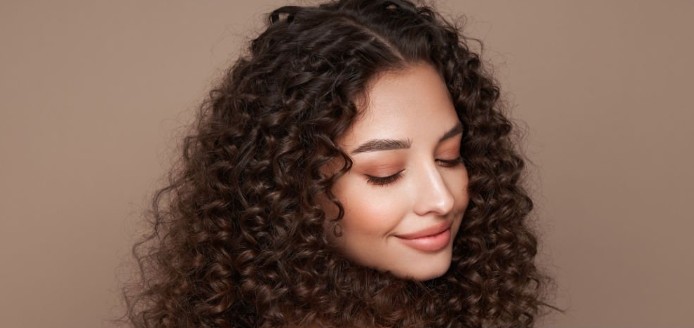
Curly hair is beautiful, unique, and full of personality, but it also requires special care to maintain its health, moisture, and definition. Proper natural hair care for curls is all about maximizing moisture, minimizing breakage, and creating a routine tailored to your specific curl type. Whether you’re a Type 2 wavy curl, a Type 3 curly, or a Type 4 coily curl, understanding your hair’s needs and using the right techniques and products can make all the difference. In this guide, we’ll walk through the best curly hair care tips, from cleansing and moisturizing to styling and protective methods.
1: Understand Your Curl Pattern and Hair Type
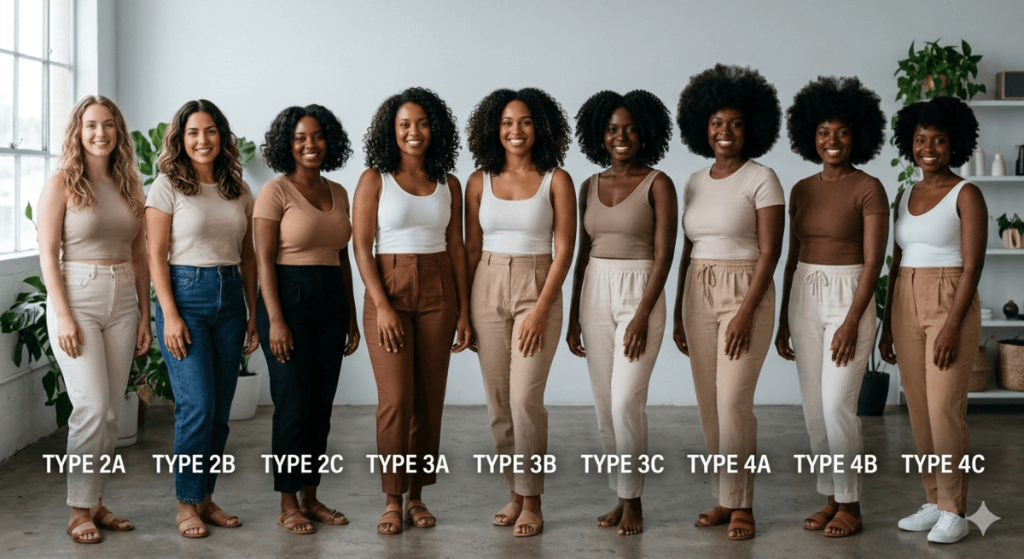
Knowing your curl pattern is the first step in developing an effective natural hair care routine. Curls are typically categorized into three main types:
Curl Pattern Classifications
- Type 2 (Wavy Hair) – Loose “S” shaped waves, less prone to dryness, easier to manage.
- Type 3 (Curly Hair) – Spirals with bounce and body, requires more moisture and careful styling.
- Type 4 (Coily/Kinky Hair) – Tight coils, fragile, prone to shrinkage and dryness, needs intensive hydration.
Each type can be further subdivided into A, B, or C based on curl diameter. For instance, 4C hair tends to be the driest and most fragile, making moisture retention a top priority. Identifying your curl type helps you select the right products, techniques, and protective styles.
2: Moisturize Your Curls Properly
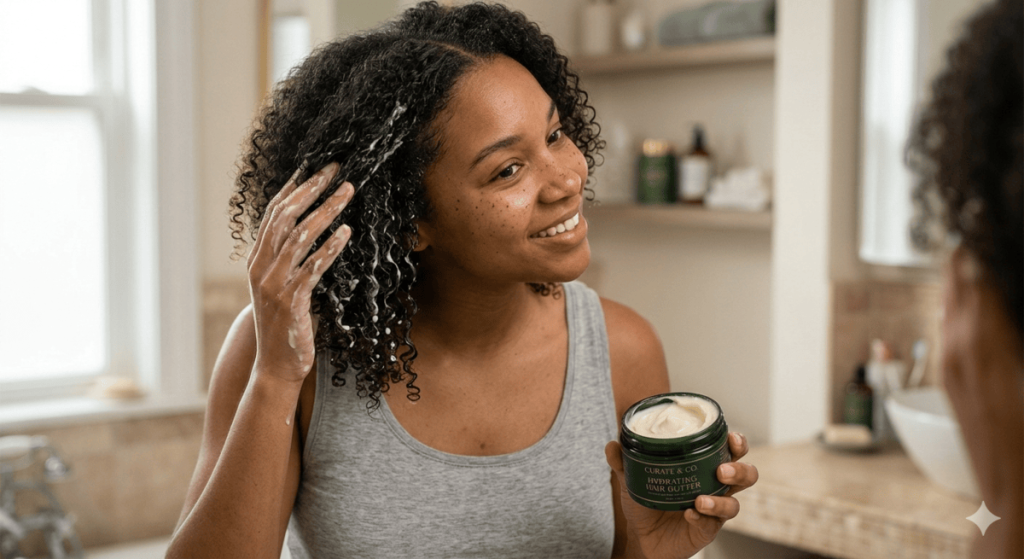
Moisture is essential for healthy, soft, and bouncy curls. Curly hair naturally struggles to retain oils, so dryness can lead to frizz, tangles, and breakage.
Signs Your Hair Needs Moisture
- Dull or lackluster appearance
- Easily tangled strands
- Excessive frizz or stiffness
- Brittle ends
Moisturizing Techniques
The LOC or LCO method is highly effective for curly hair:
- L (Liquid) – Start with water or a water-based leave-in spray to hydrate curls.
- O (Oil) – Apply oils like jojoba, argan, or avocado to seal in moisture.
- C (Cream) – Use curl cream or butter for extra hydration and definition.
Tip: For low-porosity hair, LCO may work better because cream helps moisture penetrate before sealing it in with oil.
Products to Use
- Humectants – Glycerin, aloe vera, or honey to draw moisture in (adjust based on humidity).
- Botanical Oils & Butters – Coconut, shea, mango, almond, or avocado oils.
- Avoid: Sulfates, drying alcohols, petroleum/mineral oils, and silicones that block hydration.
3: Gentle Cleansing for Healthy Curls
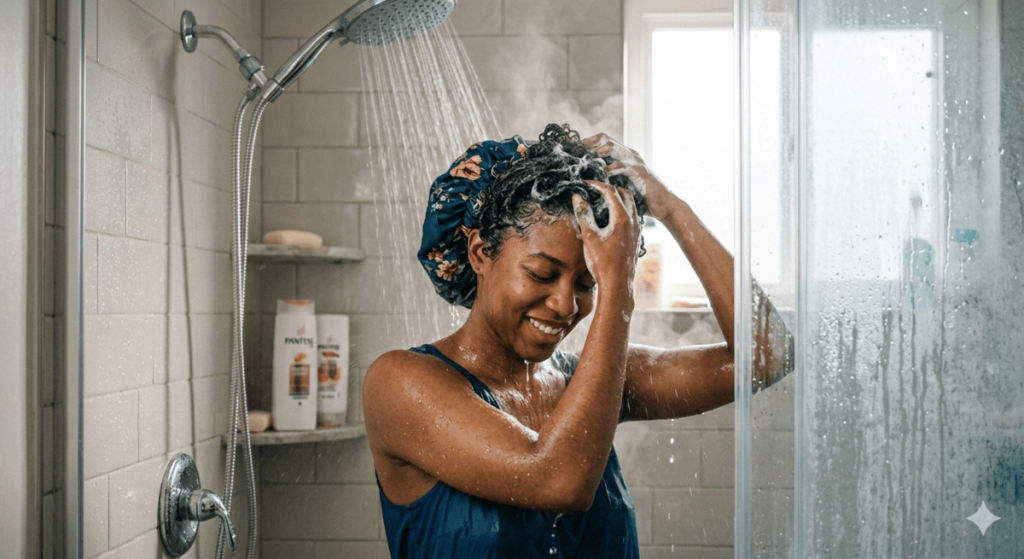
Cleansing removes buildup without stripping natural oils. Over-washing can dry curls, while under-washing can lead to scalp issues.
How Often to Wash
- Wash 1–3 times per week, depending on hair type, styling products, and scalp needs.
- Use sulfate-free shampoos or co-wash to prevent moisture loss.
- Rinse with lukewarm water, finishing with a cool rinse for shine.
Pre-Poo and Detangling
- Pre-poo: Apply oil to dry hair before washing to prevent dryness.
- Detangle: Use fingers or a wide-tooth comb while hair is damp or coated with conditioner. Start at the ends and work toward the roots.
Tip: Never detangle dry hair; it can break your curls and damage your curl pattern.
4:Use Curl-Conscious Products
Choose products that nourish curls and avoid drying agents:
Avoid:
- Sulfates (-fate endings)
- Drying alcohols (Alcohol Denat., Ethanol)
- Silicones (Dimethicone, Cyclopentasiloxane)
- Petroleum / Mineral Oil
Look for:
- Botanical oils: Coconut, avocado, grapeseed, almond
- Butters: Shea, mango, cocoa
- Humectants: Glycerin, aloe vera, honey
- Plant extracts: Hibiscus, marshmallow root
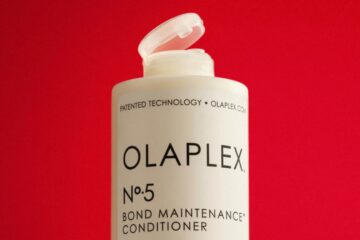
Get curly hair care products from Bumble and bumble – Shop Now
5: Protective Styling to Reduce Breakage
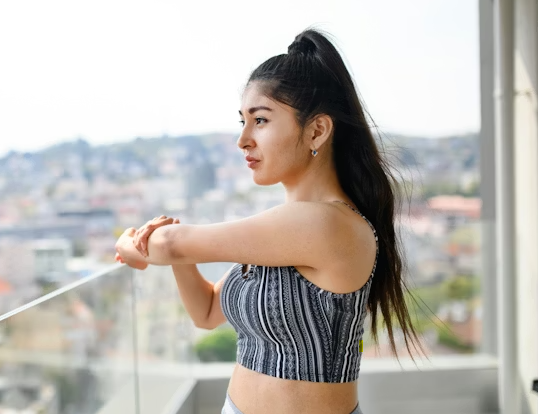
Protective styles help retain length, reduce manipulation, and preserve moisture, especially for Type 3 and Type 4 curls.
Best Protective Styles
- Low-tension buns, twists, or braids
- Cornrows or halo braids
- Pineapple method (high loose ponytail) for overnight protection
Styling Tips
- Keep protective styles no longer than 4–6 weeks
- Moisturize hair and scalp weekly
- Avoid tight styles that pull on edges or cause tension
Tip: Even low-manipulation hair benefits from occasional changes in style to reduce stress on hair strands.
Learn more about hair growth in details
6: Nighttime Hair Care
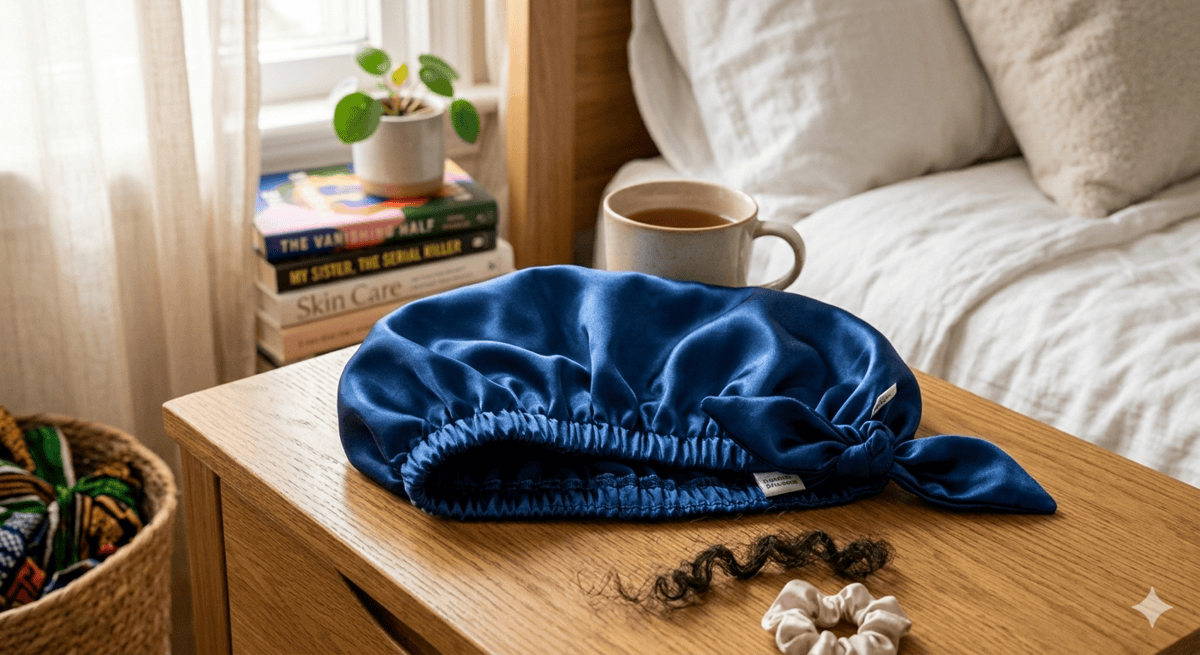
Nighttime is critical because friction from cotton pillowcases can lead to moisture loss, frizz, and breakage.
How to Protect Curls While Sleeping
- Satin or silk pillowcases reduce friction
- A bonnet or a scarf keeps hair in place and retains moisture
- Pineapple or loose braids prevent tangles
Tip: Nighttime care extends the life of your curls and reduces styling time in the morning.
7: Limit Heat and Harsh Styling
Heat can permanently damage curl structure. Minimizing exposure keeps hair healthy and resilient.
Safe Heat Practices
- Use heat only on clean, conditioned hair
- Apply silicone-free heat protectants
- Keep tools under 350°F (175°C)
- Prefer air drying or low-heat diffusing
Tip: Straightening or frequent blow-drying should be limited to prevent irreversible damage.
8: Trimming and Hair Health
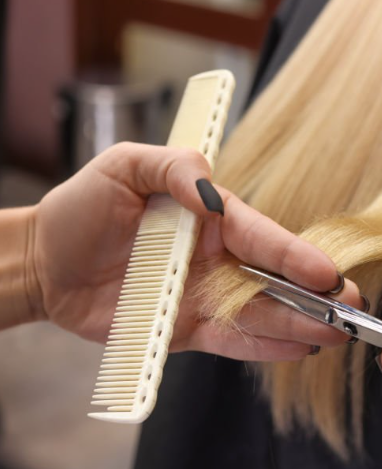
Regular trims remove split ends and keep curls bouncy and uniform.
When to Trim
- Every 3–6 months, depending on hair health
- Signs you need a trim: fairy knots, rough ends, frizz that won’t smooth
Tip: Split ends cannot be repaired; trimming is the only way to prevent further damage.
9: Internal Support for Hair Growth
Healthy curls start from within. Nutrition, hydration, and stress management affect growth and shine.
Wellness Tips
- Drink 2 liters of water daily
- Eat protein-rich foods for keratin
- Include iron, zinc, omega-3s, and vitamins A, C, D, E
- Manage stress and get regular rest
Tip: Hair grows about ½ inch per month, so patience and consistency are key.
10: Embrace Your Natural Texture
The foundation of curly hair care starts with acceptance and patience. Curls are not a problem to fix—they’re a unique extension of your identity. Avoid Eurocentric beauty standards that pressure you to “tame” your hair. Instead, focus on understanding your curl pattern, learning what it needs, and practicing patience
Your mindset matters just as much as your hair care routine. Loving and understanding your curls sets the foundation for healthy, thriving hair.
Mindset Matters
- Love your texture: Curls are not a problem — they are a natural expression of you.
- Practice patience: Results take time; focus on health, not length.
Tip: Celebrate softness, shine, and definition; perfection isn’t the goal.
Conclusion: Holistic Curl Routine
Natural hair care tips for curly hair require a combination of proper cleansing, moisturizing, protective styling, and patience. By following the steps above, understanding your curl type, moisturizing effectively, protecting your hair at night, limiting heat exposure, and maintaining a healthy lifestyle, your curls can flourish with shine, elasticity, and strength.
Remember: Consistency beats quick fixes. Show up for your curls daily, make adjustments based on your hair’s response, and enjoy the journey of healthy, vibrant natural hair.


Leave a reply


 Fun times ahead … #lebronjames #lakers #lebron #lustremagazine00:19
- Oscar-winning #MichaelBJordan Congratulations!! #Sinners for winning Best Actor at the 2026 #Oscars00:56
- #Zendaya publicly shared “recovery plan” and its brilliantly low-effort #lustremagazine00:16
- #NickJonas is smooth 😍 #PriyankaChopra #couple00:10
- #AnnaWintour and #MirandaPriestly at the 2026 #Oscars00:14
- #tchalamet and @kyliejenner make their way into the #VFOscars party. Video by wengellg00:06
- #Oscar winner and #Sinners star #MichaelBJordan00:38
- #ElsaPataky #ChrisHemsworth #Oscars #celebritycouple #Oscars202600:08
- #tyla attends the #maisonvalentino AW26 show in Rome #DazedFashionTV #Valentino00:12
- Garmmy 2026 #justinbieber #hailybieber #grammy #lilbieber #lustremagazine00:29
- #zendaya understood the assignment. #tomholland #viral #trend #celebrity00:11
- #LeonardoDiCaprio has graced the #BAFTAs with a rare red-carpet appearance, wearing a #dior00:21
- #annehathaway at the #Balenciaga fashion show 2026 #ParisFashion Week on #thedevilwearsprada00:14
- #Ponytail is back! #ArianaGrande looks gorgeous at the 2026 🎥: ginainterrupted #GoldenGlobes.00:20
- #SHAQ forgot that he bought two Escalades 😅01:14
- #therock and #KevinHart doing the #TortillaChallenge is the funniest thing we’ve seen all week!01:00
- #Oscar Throwbacks, #EmmaStone accepting her second Academy Award (in a broken dress!)01:41
- #Bridgerton cast and crew singing ‘Happy Birthday’ for #Yerin #bridgertonseason400:16
- Inside #queencharlotte wig #bridgerton #bridgertonseason400:08
- #zendaya at the #louisvuitton AW26 #lustremagazine00:17
- #shaq on set for #gravesendseries #shaq #brooklyn #onset #basketball #gangster #epic00:13
- #zendaya dazzling in white at #louisvuitton’s fall/winter #ParisFashionWeek show #lustremagazine00:17
- #shaq #queenlatifah at a NBA playoffs game #shaquilleoneal #nbaplayoffs00:16
- #johnlithgow #albusdumbledore #harrypotter #celebrity00:12
- #sbiff awardees #jacobelordi #wagnermoura #teyanataylor #wunmimosaku #ingalilleaas #sydneysweeney00:07