
Natural Oils for Hair Growth That Actually Work
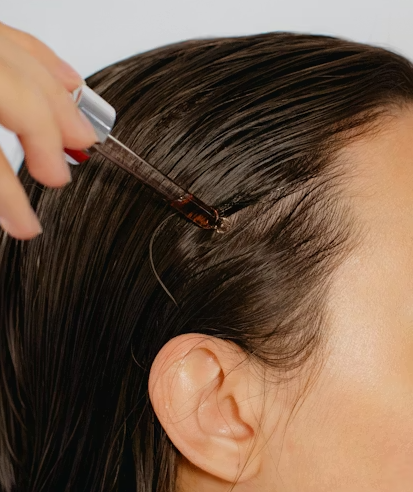
Healthy hair growth is something many people desire, but achieving it often requires more than just using the latest trending product. While genetics, diet, and hair care habits all play a role in hair health, natural oils have become a trusted solution for nourishing the scalp and strengthening hair strands.
From traditional favorites like coconut oil and castor oil to trending options such as rosemary and chebe oil, natural oils are widely used to support hair growth and reduce breakage. However, it is important to understand that oils do not magically grow hair overnight. Instead, they improve scalp health, strengthen hair strands, and help retain length by preventing damage.
In this guide, we explore the natural oils for hair growth that actually work, how they benefit your hair, and the best ways to incorporate them into your hair care routine.
Why Natural Oils Help Support Hair Growth
Before diving into specific oils, it is important to understand how they work. Hair growth starts in the follicles beneath the scalp, and healthy follicles require proper nourishment and circulation.
Natural oils help support hair growth by:
- Moisturizing the scalp and preventing dryness
- Strengthening hair strands and reducing breakage
- Improving blood circulation to the scalp
- Protecting hair from environmental damage
- Sealing moisture into the hair shaft
Rather than directly making hair grow faster, oils create the ideal environment for healthy hair growth and improved length retention.
Jamaican Black Castor Oil
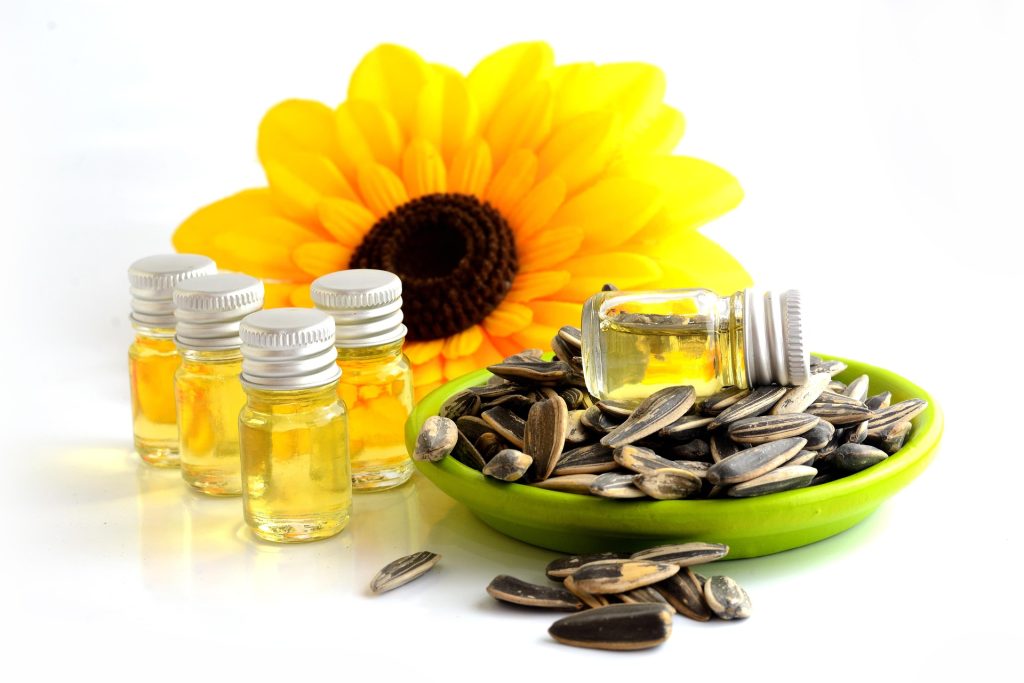
Jamaican black castor oil is one of the most widely used oils for natural hair growth. Known for its thick texture and slightly smoky scent, this oil has been used for generations to promote stronger, fuller hair.
The key ingredient in castor oil is ricinoleic acid, which has antimicrobial properties that help maintain a healthy scalp. A clean and balanced scalp environment allows hair follicles to function properly, which supports hair growth.
Many people use castor oil specifically for areas that need extra attention, such as thinning edges or sparse spots in the hairline.
Because of its thick consistency, it is often best used in small amounts or mixed with lighter oils such as jojoba oil for easier application.
Chebe Oil
Chebe oil has recently gained attention across social media platforms and natural hair communities. The oil originates from chebe powder, a traditional hair treatment used by women in Chad to maintain long, healthy hair.
Chebe oil is rich in fatty acids that help coat and protect the hair shaft. This protective layer reduces breakage and locks moisture into the hair, which contributes to improved length retention over time.
While chebe oil does not directly stimulate new hair growth, it helps strengthen existing hair strands. Stronger hair means fewer split ends and less breakage, which allows hair to grow longer.
Regular scalp massages with chebe oil a few times a week can help improve hair manageability and overall hair strength.
Rosemary Oil
Rosemary oil has become one of the most talked-about oils for hair growth in recent years. Dermatologists and researchers have shown increasing interest in its potential to stimulate hair follicles.
Studies suggest that rosemary oil may help improve blood circulation in the scalp, which encourages healthier hair growth. Some research even suggests it may perform similarly to minoxidil, a common medication used to treat hair loss.
Consistent use is key. Applying a few drops of diluted rosemary oil to the scalp several times per week may help support hair growth over time.
Another benefit is its refreshing herbal scent, which gives hair a clean and soothing fragrance.
Coconut Oil
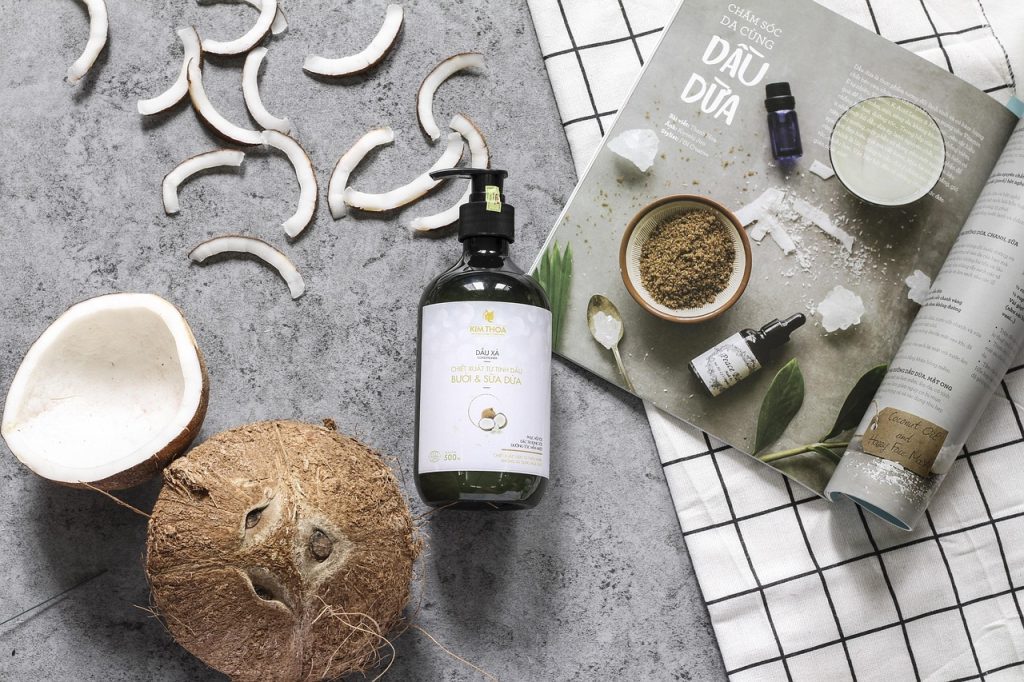
Coconut oil has long been a favorite in hair care routines because of its ability to penetrate the hair shaft. It contains lauric acid, a fatty acid that helps reduce protein loss in hair strands.
Protein loss is one of the main causes of weak, brittle hair. By strengthening the hair shaft, coconut oil helps protect hair from damage caused by heat styling, environmental stress, and daily manipulation.
Coconut oil also provides intense moisture, making it particularly beneficial for dry, curly, or damaged hair types.
It is often used as a pre-shampoo treatment, where the oil is applied to the hair and scalp for about 30 minutes before washing.
Jojoba Oil
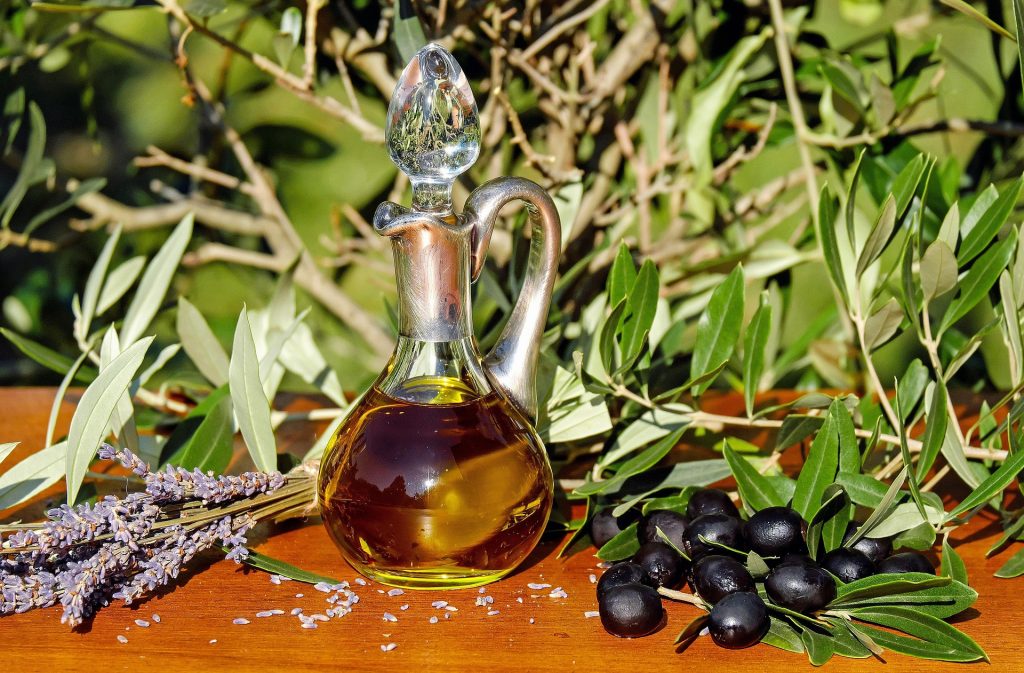
Jojoba oil is unique because its composition closely resembles the natural oil produced by the scalp, known as sebum. Because of this similarity, jojoba oil absorbs easily and helps balance the scalp’s natural moisture levels.
For individuals dealing with dry scalp or dandruff, jojoba oil can help soothe irritation and restore hydration without leaving hair greasy.
Research has also shown that jojoba oil may help reduce protein loss and improve overall hair strength.
It works well as a lightweight daily oil or as a base for mixing with essential oils such as rosemary or peppermint.
Peppermint Oil
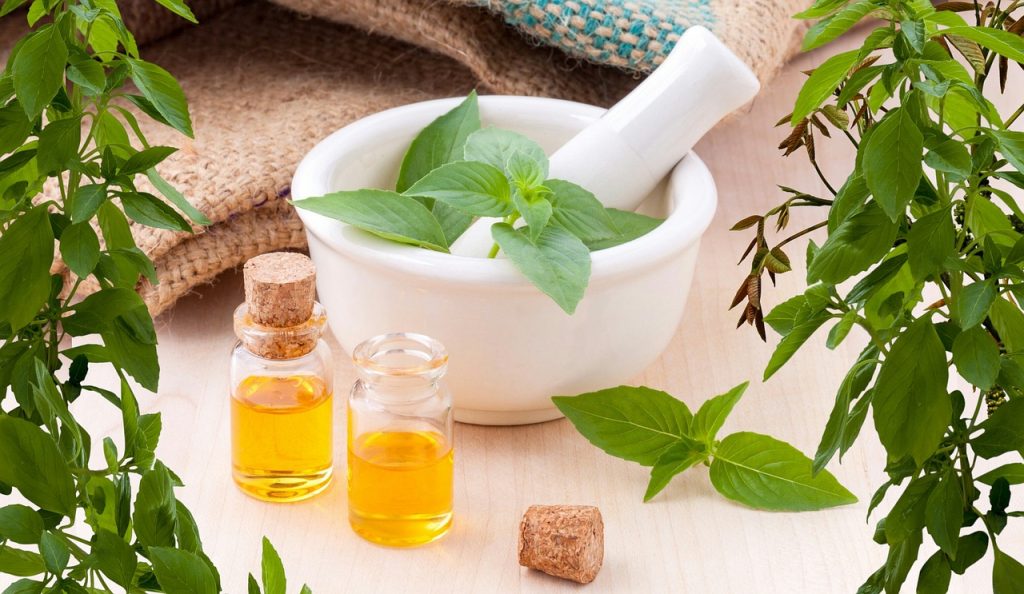
Peppermint oil is known for the refreshing, cooling sensation it produces on the scalp. This tingling effect is believed to improve blood flow, which may help stimulate hair follicles.
Research involving peppermint oil has shown promising results in improving hair growth and increasing the number of hair follicles. However, more human studies are still needed to confirm its full effectiveness.
Peppermint oil is very potent and should always be diluted with a carrier oil such as coconut oil, almond oil, or jojoba oil before applying it to the scalp.
Used correctly, peppermint oil can add both stimulation and freshness to your hair care routine.
Argan Oil
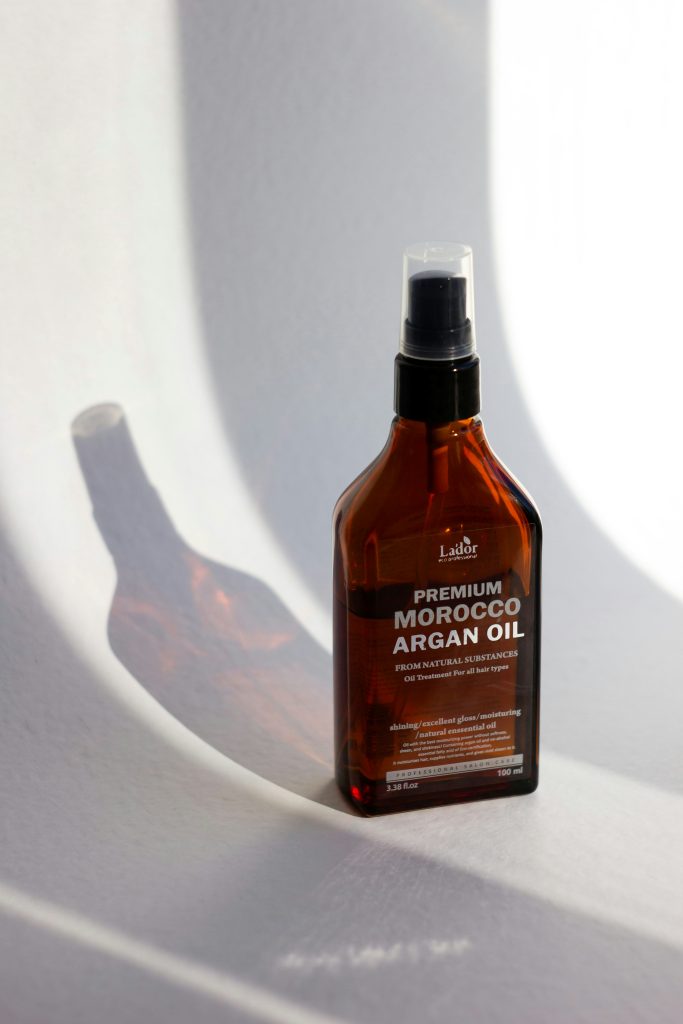
Argan oil is derived from the kernels of the Moroccan argan tree and is widely known for its nourishing and antioxidant properties.
This oil is particularly beneficial for frizzy, coarse, or brittle hair because it helps smooth the hair cuticle and reduce protein loss. The antioxidants in argan oil also protect hair from environmental damage.
Although more research is needed to confirm its direct impact on hair growth, argan oil is highly effective for improving hair texture and shine.
Applying a small amount to damp hair can help control frizz and protect hair during styling.
Olive Oil
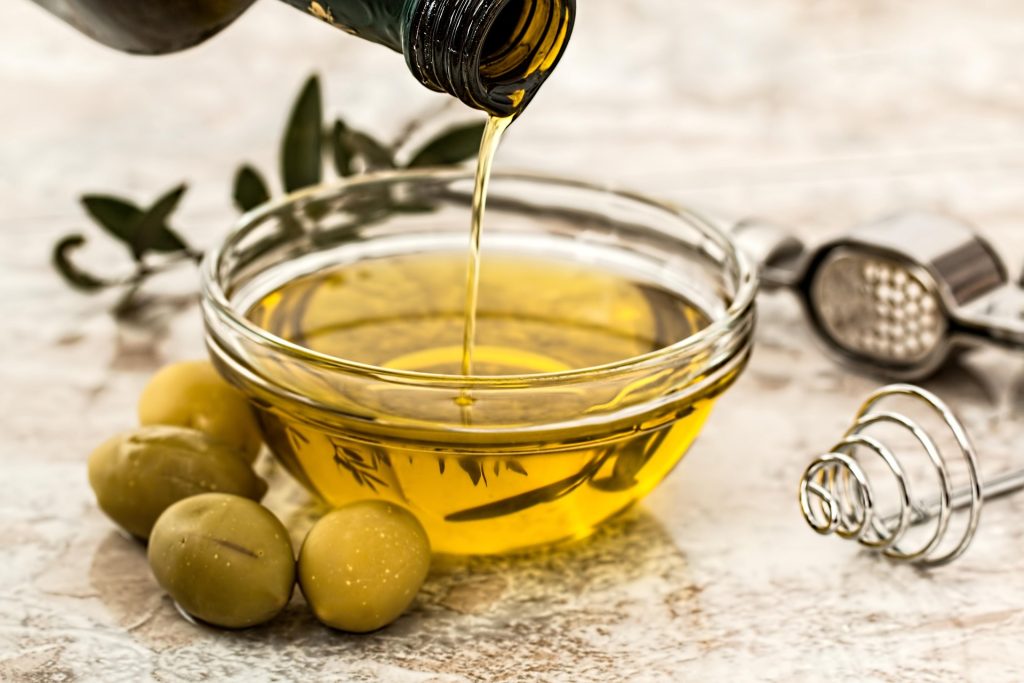
Olive oil has been used in hair care for centuries due to its deep moisturizing properties. It penetrates the hair shaft and helps protect hair from dryness and environmental damage.
Some studies suggest that olive oil may help reduce inflammation in the scalp, which can contribute to healthier hair follicles.
Many people use olive oil as a deep conditioning treatment, applying it to the hair and scalp before wrapping the hair in a warm towel for about 30 minutes.
This method helps improve moisture retention and enhances hair softness.
Avocado Oil
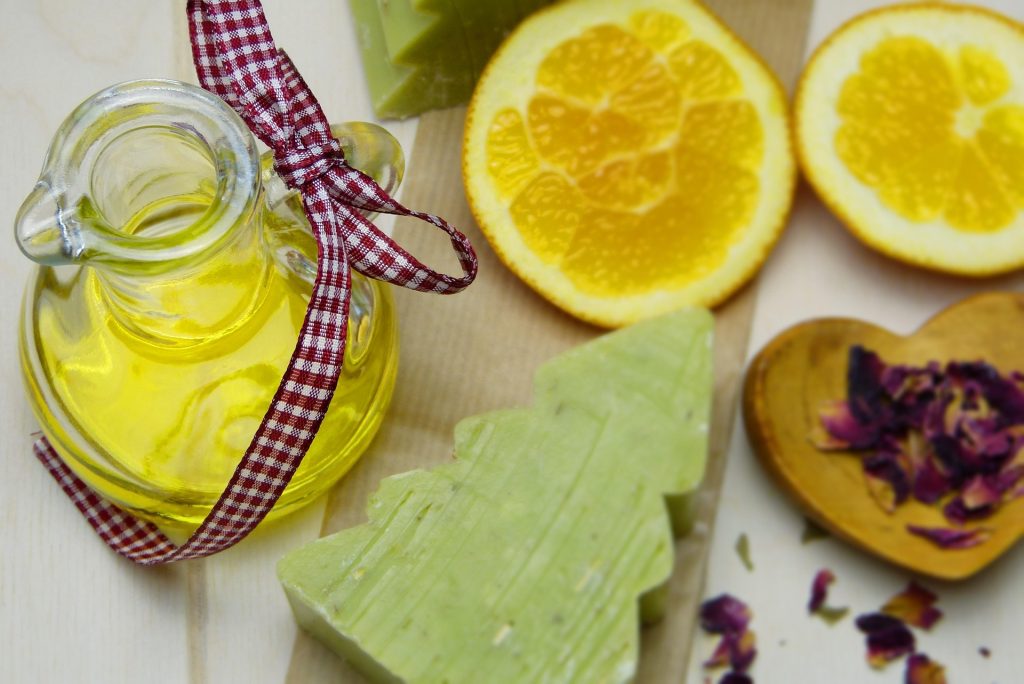
Avocado oil is packed with vitamin E, antioxidants, and essential fatty acids. These nutrients help strengthen the hair cuticle and reduce breakage.
Although research on its direct effects on hair growth is still limited, avocado oil is known for improving hair shine, softness, and elasticity.
Because it helps seal the outer layer of the hair strand, avocado oil can also protect hair from heat damage and environmental stress.
It works well as a scalp massage oil or a leave-in treatment for dry hair.
How to Use Natural Oils for Maximum Hair Growth
Using the right oils is important, but how you use them matters just as much. Many people mistakenly believe oils directly grow hair, but their true benefit lies in supporting scalp health and preventing breakage.
A simple routine can help maximize results.
Start by choosing one or two oils that suit your hair type. Applying too many oils at once can overwhelm the scalp.
Massage the oil gently into your scalp several times per week. Scalp massage helps improve blood circulation and allows nutrients to reach hair follicles.
You can also apply oil to the ends of your hair after moisturizing to seal in hydration and prevent split ends.
Consistency is essential. Hair growth cycles take time, so most people need to maintain a routine for at least 8 to 12 weeks before seeing noticeable improvements.
Learn about natural hair care tips for curly hair
Risks and Precautions When Using Natural Oils
Although natural oils are generally safe, they can sometimes cause irritation or allergic reactions.
Signs of irritation may include itching, redness, burning, or a rash on the scalp.
To reduce risk, always perform a patch test on a small area of skin before applying a new oil to your scalp. Essential oils such as peppermint or rosemary should always be diluted with a carrier oil.
Using moderate amounts and paying attention to your scalp’s reaction will help you avoid discomfort.
Final Thoughts
Natural oils can be a powerful addition to any hair care routine when used correctly. While they may not instantly transform your hair overnight, they create the ideal conditions for healthier, stronger hair growth.
Oils such as Jamaican black castor oil, rosemary oil, coconut oil, jojoba oil, and peppermint oil have earned a reputation because they support scalp health and protect hair from damage.
The key to seeing results lies in consistency and patience. When used regularly, these oils can strengthen hair, reduce breakage, and help you retain the length your hair naturally grows.
More importantly, the process of caring for your hair can become a meaningful self-care ritual—one that connects tradition, culture, and personal well-being.

1 comment
Leave a reply


 Fun times ahead … #lebronjames #lakers #lebron #lustremagazine00:19
- Oscar-winning #MichaelBJordan Congratulations!! #Sinners for winning Best Actor at the 2026 #Oscars00:56
- #Zendaya publicly shared “recovery plan” and its brilliantly low-effort #lustremagazine00:16
- #NickJonas is smooth 😍 #PriyankaChopra #couple00:10
- #AnnaWintour and #MirandaPriestly at the 2026 #Oscars00:14
- #tchalamet and @kyliejenner make their way into the #VFOscars party. Video by wengellg00:06
- #Oscar winner and #Sinners star #MichaelBJordan00:38
- #ElsaPataky #ChrisHemsworth #Oscars #celebritycouple #Oscars202600:08
- #tyla attends the #maisonvalentino AW26 show in Rome #DazedFashionTV #Valentino00:12
- Garmmy 2026 #justinbieber #hailybieber #grammy #lilbieber #lustremagazine00:29
- #zendaya understood the assignment. #tomholland #viral #trend #celebrity00:11
- #LeonardoDiCaprio has graced the #BAFTAs with a rare red-carpet appearance, wearing a #dior00:21
- #annehathaway at the #Balenciaga fashion show 2026 #ParisFashion Week on #thedevilwearsprada00:14
- #Ponytail is back! #ArianaGrande looks gorgeous at the 2026 🎥: ginainterrupted #GoldenGlobes.00:20
- #SHAQ forgot that he bought two Escalades 😅01:14
- #therock and #KevinHart doing the #TortillaChallenge is the funniest thing we’ve seen all week!01:00
- #Oscar Throwbacks, #EmmaStone accepting her second Academy Award (in a broken dress!)01:41
- #Bridgerton cast and crew singing ‘Happy Birthday’ for #Yerin #bridgertonseason400:16
- Inside #queencharlotte wig #bridgerton #bridgertonseason400:08
- #zendaya at the #louisvuitton AW26 #lustremagazine00:17
- #shaq on set for #gravesendseries #shaq #brooklyn #onset #basketball #gangster #epic00:13
- #zendaya dazzling in white at #louisvuitton’s fall/winter #ParisFashionWeek show #lustremagazine00:17
- #shaq #queenlatifah at a NBA playoffs game #shaquilleoneal #nbaplayoffs00:16
- #johnlithgow #albusdumbledore #harrypotter #celebrity00:12
- #sbiff awardees #jacobelordi #wagnermoura #teyanataylor #wunmimosaku #ingalilleaas #sydneysweeney00:07
























[…] Read more on natural hair growth oil […]