Nike, Superdry & Lacoste ads banned in UK for misleading green claims
Nike, Superdry & Lacoste ads banned in UK for misleading green claims
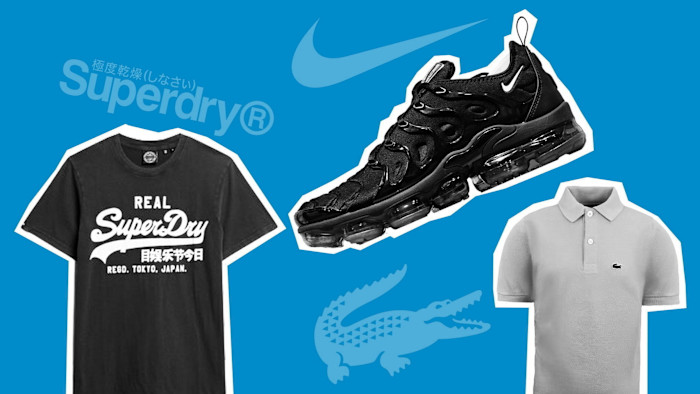
Three high-profile fashion brands – Nike, Superdry and Lacoste – have had digital advertisements banned in the United Kingdom after the country’s advertising regulator ruled that they made misleading environmental claims that could give consumers an inaccurate impression of their products’ sustainability.
The Advertising Standards Authority (ASA) confirmed this week that it has formally prohibited paid-for Google ads from each of the companies on the grounds that they featured broad assertions about sustainability without adequate supporting evidence. The decisions form part of a wider crackdown on what regulators call greenwashing – the use of vague or unsubstantiated eco-friendly claims in marketing.
What the banned ads said
The three adverts, all delivered via paid Google search campaigns in summer 2025, used language emphasising environmentally positive attributes that the ASA found insufficiently clear or justified:
-
Nike’s ad touted “sustainable materials” in its tennis polo shirts, suggesting the product had environmental benefits. Nike said the wording was meant to signal that some of its products used recycled or lower-impact inputs, but the ASA ruled the claim could imply a broader environmental benefit than was proven.
-
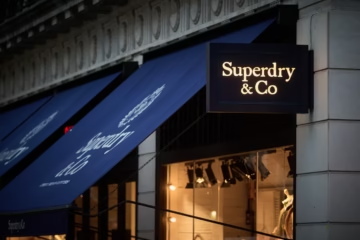
Superdry’s advertisement promoted a “wardrobe that combines style and sustainability”. The retailer said it was highlighting that certain items in its range met sustainability criteria. However, the ASA judged that without context, the phrase could lead consumers to believe all the retailer’s products were environmentally friendly.
-
Lacoste’s ad described its children’s clothing line as “sustainable clothing”. Lacoste acknowledged that terms such as “green” or “eco-friendly” are difficult to substantiate in advertising, and withdrew the campaign once contacted by the ASA.
Regulator’s reasoning
Under the UK advertising code, environmental claims must be clear, unambiguous and backed up by a high level of evidence. Simply using words like “sustainable” without specifying the precise basis for these claims – such as independent certifications, lifecycle analyses, or detailed metrics – can mislead consumers about the actual environmental performance of products.
The ASA’s rulings emphasised that broad terms that imply no detrimental impact on the environment must be supported by substantial verifiable data, including lifecycle information that covers how products are made, used, and disposed of. Because the brands did not provide such comprehensive backing, the ads were judged likely to mislead.
Justine Grimley, operations manager for the ASA’s green project team, said regulators are seeing increasing demand from consumers for transparent sustainability information, and that advertisers must not exploit imprecise language to trade on that interest. Clear and evidence-based claims are essential to maintain consumer trust.
Responses from the brands
All three companies engaged with the ASA during the investigation:
-
Nike said it had worked with the ASA, taken the necessary actions, and remained committed to helping consumers make informed choices.
-
Superdry removed the advertising and did not dispute the importance of clear environmental claims.
-
Lacoste also pulled its ad promptly and pledged not to repeat the claim in the same form.
Wider implications
The bans represent part of a broader regulatory push against greenwashing in the retail and fashion sectors, where vague sustainability language has become commonplace. The ASA has increasingly made use of AI-driven monitoring tools to identify and review potentially misleading ads, pushing brands to adopt stricter standards when making environmental claims.
Industry analysts say the decisions send a clear message: brands must ensure environmental marketing is backed by robust, transparent and verifiable data, or risk enforcement action in the UK’s tightly regulated advertising market.
This ruling follows other recent ASA interventions in which companies were challenged over sustainability-related advertising, underscoring the watchdog’s ongoing focus on protecting consumers and maintaining trust in green claims.
FAQs
1. Why were Nike, Superdry and Lacoste ads banned in the UK?
The UK’s Advertising Standards Authority (ASA) ruled that the brands’ ads used broad sustainability terms like “sustainable” without providing clear, verifiable evidence, which could mislead consumers.
2. What does the ASA consider a misleading green or sustainability claim?
The ASA considers claims misleading if they are vague, exaggerated, or not supported by robust proof such as lifecycle assessments, certifications, or detailed environmental data.
3. Were the products themselves banned from sale?
No. Only the specific advertisements were banned. The products can still be sold, but the brands must change how they describe environmental benefits in future advertising.
4. What evidence is required to make sustainability claims in UK advertising?
Brands must provide clear, specific, and substantiated evidence, showing how a product reduces environmental impact across its lifecycle, rather than relying on general terms like “eco-friendly” or “green.”
5. What does this ruling mean for other fashion brands?
The decision signals tighter enforcement against greenwashing in the fashion industry, warning brands that unclear or unsupported sustainability claims could lead to ads being banned in the UK.



Leave a reply


 Fun times ahead … #lebronjames #lakers #lebron #lustremagazine00:19
 Oscar-winning #MichaelBJordan Congratulations!! #Sinners for winning Best Actor at the 2026 #Oscars00:56
 #Zendaya publicly shared “recovery plan” and its brilliantly low-effort #lustremagazine00:16
 #NickJonas is smooth 😍 #PriyankaChopra #couple00:10
 #AnnaWintour and #MirandaPriestly at the 2026 #Oscars00:14
 #tchalamet and @kyliejenner make their way into the #VFOscars party. Video by wengellg00:06
 #Oscar winner and #Sinners star #MichaelBJordan00:38
 #ElsaPataky #ChrisHemsworth #Oscars #celebritycouple #Oscars202600:08
 #tyla attends the #maisonvalentino AW26 show in Rome #DazedFashionTV #Valentino00:12
 Garmmy 2026 #justinbieber #hailybieber #grammy #lilbieber #lustremagazine00:29
 #zendaya understood the assignment. #tomholland #viral #trend #celebrity00:11
 #LeonardoDiCaprio has graced the #BAFTAs with a rare red-carpet appearance, wearing a #dior00:21
 #annehathaway at the #Balenciaga fashion show 2026 #ParisFashion Week on #thedevilwearsprada00:14
 #Ponytail is back! #ArianaGrande looks gorgeous at the 2026 🎥: ginainterrupted #GoldenGlobes.00:20
 #SHAQ forgot that he bought two Escalades 😅01:14
 #therock and #KevinHart doing the #TortillaChallenge is the funniest thing we’ve seen all week!01:00
 #Oscar Throwbacks, #EmmaStone accepting her second Academy Award (in a broken dress!)01:41
 #Bridgerton cast and crew singing ‘Happy Birthday’ for #Yerin #bridgertonseason400:16
 Inside #queencharlotte wig #bridgerton #bridgertonseason400:08
 #zendaya at the #louisvuitton AW26 #lustremagazine00:17
 #shaq on set for #gravesendseries #shaq #brooklyn #onset #basketball #gangster #epic00:13
 #zendaya dazzling in white at #louisvuitton’s fall/winter #ParisFashionWeek show #lustremagazine00:17
 #shaq #queenlatifah at a NBA playoffs game #shaquilleoneal #nbaplayoffs00:16
 #johnlithgow #albusdumbledore #harrypotter #celebrity00:12
 #sbiff awardees #jacobelordi #wagnermoura #teyanataylor #wunmimosaku #ingalilleaas #sydneysweeney00:07