
Scalp Detox Routine
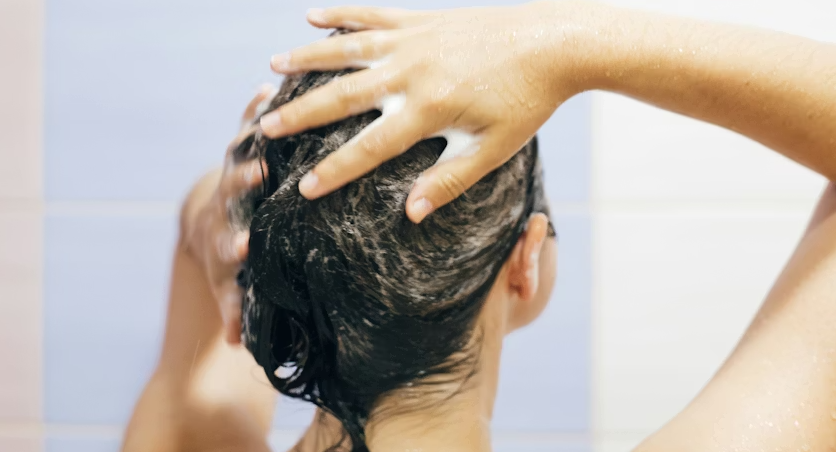
A healthy scalp detox routine is the foundation of healthy hair, yet many people focus only on shampoos, conditioners, and styling products while ignoring scalp care. Over time, hair products, natural oils, sweat, dead skin cells, pollution, and hard water minerals build up on the scalp, creating an unhealthy environment that can affect hair growth, cause itchiness, trigger dandruff, and leave hair looking dull.
This is where a scalp detox routine becomes essential. A proper scalp detox removes deep buildup that regular shampoo often misses, restores balance, improves circulation, and creates the right conditions for stronger, shinier hair.
If you have ever experienced greasy roots shortly after washing, persistent flakes, scalp irritation, or lifeless hair, your scalp may be asking for a reset. The good news is that a scalp detox can be done easily at home using simple products and natural ingredients.
What Is a Scalp Detox?
A scalp detox is a deep-cleansing treatment designed to remove excess oil, product residue, dead skin cells, and environmental impurities from the scalp.
Unlike regular washing, which cleans the surface, a detox focuses on unclogging hair follicles and rebalancing the scalp environment.
Think of your scalp like the soil for your hair. If the scalp is clogged or unhealthy, hair growth may become weaker over time. A clean scalp creates the ideal environment for stronger hair strands and healthier follicles.
Benefits of a Scalp Detox Routine
A regular scalp detox routine offers multiple benefits beyond simply making your hair feel cleaner. It helps stimulate blood circulation, which may encourage healthier hair growth. Removing buildup also allows hair products such as serums and oils to work more effectively since they penetrate the scalp better.
A detox routine may also help with:
- reducing dandruff
- balancing excess oil production
- calming itchiness and irritation
- improving shine
- preventing clogged follicles
- refreshing flat hair
Many people notice that their hair feels lighter, softer, and easier to style after detoxing.
Signs Your Scalp Needs a Detox
Your scalp often gives clear signals when buildup becomes excessive.
Common signs include:
- itchy scalp
- excess oil even after washing
- dry flakes or dandruff
- redness or tenderness
- hair that feels heavy or dull
- product residue near the roots
- scalp odor
Frequent use of dry shampoo, styling sprays, silicone-based products, and infrequent washing can all contribute to scalp congestion.
Read about natural hair care tips to help you grow healthy hair
The Ideal Fortnightly Scalp Detox Routine
For most people, a scalp detox every two weeks works well. Oily scalps may need detoxing weekly, while dry or sensitive scalps may only need it once a month.
A complete fortnightly scalp detox routine includes several simple but highly effective steps.
Step 1: Dry Brushing Before Washing
Start your detox with dry brushing. Using a scalp brush or soft boar bristle brush, gently massage your dry scalp in circular motions before getting into the shower.
This loosens flakes, lifts surface buildup, and stimulates circulation. Dry brushing also helps distribute natural oils more evenly across the scalp. Spend about five minutes brushing section by section.
This step is especially useful if you use styling products regularly.
Step 2: Exfoliate With a Scalp Scrub
A scalp scrub is one of the most important parts of detoxing because it removes dead skin cells and deeply lifts product residue.
Apply the scrub directly to the scalp in sections. Massage gently using your fingertips for five to ten minutes.
Avoid scratching with your nails, as this may irritate the scalp. You can use store-bought scalp exfoliators or make a DIY scrub at home.
A simple homemade scrub combines:
- 2 tablespoons sugar
- 1 tablespoon olive oil
- a few drops of tea tree oil
This mixture gently exfoliates while soothing irritation. Coffee grounds mixed with honey can also work as a natural exfoliant.
Step 3: Double Cleanse With Clarifying Shampoo
After exfoliating, shampoo twice for a proper deep cleanse. The first wash removes loosened dirt and surface oils. The second wash deeply cleanses the scalp.
Begin with a mild shampoo, then follow with a clarifying shampoo designed to remove buildup.
A clarifying shampoo for scalp detox helps eliminate residue left behind by silicones, oils, sprays, and dry shampoo.
Massage the shampoo into the scalp thoroughly and leave it on for three to four minutes before rinsing. Focus especially on the roots where buildup collects most.
Step 4: Apple Cider Vinegar Rinse for Scalp Balance
An apple cider vinegar scalp rinse helps restore the scalp’s natural pH balance and remove remaining residue.
Mix:
- 1 part apple cider vinegar
- 3 parts water
Pour the mixture over your scalp after shampooing.
Leave it on for one to two minutes before rinsing thoroughly.
Apple cider vinegar also helps reduce dandruff and leaves hair shinier.
Step 5: Apply a Nourishing Conditioner
After deep cleansing, hydration is essential. Clarifying shampoos can sometimes leave hair feeling dry, so follow with a nourishing conditioner.
Apply conditioner only to the mid-lengths and ends of your hair. Avoid placing conditioner directly on the scalp unless using a scalp-specific treatment.
A hydrating mask once every detox session can restore softness and protect the hair shaft.
Step 6: Finish With a Cool Water Rinse
A cool rinse helps close the hair cuticle, making hair appear smoother and shinier. It also helps reduce scalp irritation after exfoliation.
Even a short cool rinse at the end of your shower can make a visible difference.
DIY Scalp Detox Treatments at Home
Natural ingredients work very well for scalp detoxing when used correctly.
Bentonite Clay Detox Mask
A clay mask helps absorb oil and impurities.
Mix:
- 1/2 cup bentonite clay
- Apple cider vinegar
- Aloe vera gel
Apply to the scalp for 10 minutes before rinsing. This works especially well for oily scalps.
Essential Oils for Scalp Detox
Essential oils support scalp cleansing naturally.
Popular options include:
- tea tree oil
- peppermint oil
- eucalyptus oil
Mix a few drops into shampoo or carrier oil before applying. Tea tree oil is especially useful for dandruff and itchy scalp.
Learn about natural oils for hair growth
Scalp Detox for Different Hair Types
Not every scalp responds the same way, so your detox routine should match your hair type.
Scalp Detox for Oily Hair
Oily scalps often benefit from detoxing every one to two weeks. Use clarifying shampoos containing tea tree oil or salicylic acid.
Avoid heavy oils after cleansing.
Scalp Detox for Dry Hair
Dry scalps need gentle exfoliation and less frequent detoxing. Choose mild scrubs and always follow with hydration.
Use lightweight oils such as argan or jojoba after washing.
Scalp Detox for Curly Hair
Curly hair tends to lose moisture easily. It is advisable to use sulfate-free clarifying shampoos and hydrating masks.
Keep exfoliation gentle to avoid disrupting curl patterns.
Scalp Detox for Colored Hair
Color-treated hair needs extra care. Choose color-safe clarifying shampoos to prevent fading.
Limit detoxing to once or twice monthly.
Common Scalp Detox Mistakes to Avoid
A scalp detox works best when done correctly.
Avoid these common mistakes:
Over-Exfoliating
Too much scrubbing strips natural oils and irritates. Once every two weeks is enough for most people.
Using Harsh Products
Strong chemicals can disrupt scalp balance, so choose gentle formulas whenever possible.
Applying Too Many Products
Excess oils, serums, and sprays can create more buildup. Keep scalp products simple.
Ignoring Hydration
Deep cleansing without hydration can leave the scalp dry and irritated. Always follow detoxing with moisture.
Ongoing Scalp Care Between Detox Sessions
A detox routine works best when supported by regular scalp care.
Maintain scalp health by:
- Washing regularly with a gentle shampoo
- Avoiding too much dry shampoo
- Rinsing after workouts
- Protecting hair from pollution
- Eating nutrient-rich foods
Hydration, nutrition, and gentle cleansing all contribute to a balanced scalp.
Does Scalp Detox Help Hair Growth?
A scalp detox does not instantly grow hair, but it improves the scalp environment that supports healthy hair growth. By unclogging follicles and increasing circulation, detoxing creates better conditions for hair to grow naturally.
If buildup blocks follicles over time, hair may become weaker or thinner. A healthy scalp supports stronger hair over the long term.
Get the best hair detox product from Pacifica
How Often Should You Detox Your Scalp?
Frequency depends on scalp type and lifestyle.
General recommendations:
- oily scalp: every 1–2 weeks
- normal scalp: every 2 weeks
- dry scalp: once a month
- sensitive scalp: only when needed
If you use many styling products, sweat often, or live in polluted areas, more frequent detoxing may help.
Final Thoughts
A scalp detox routine is one of the most effective ways to improve scalp health and refresh your hair from the roots. Detoxing helps your scalp function better and creates the ideal environment for stronger, healthier hair, by removing buildup, balancing oils, and stimulating circulation
Simple steps such as dry brushing, exfoliation, clarifying shampoo, apple cider vinegar rinses, and hydration can transform the way your scalp feels and how your hair looks.
Consistency matters more than intensity. A gentle fortnightly detox often delivers better long-term results than aggressive treatments.

Leave a reply


 Fun times ahead … #lebronjames #lakers #lebron #lustremagazine00:19
 Oscar-winning #MichaelBJordan Congratulations!! #Sinners for winning Best Actor at the 2026 #Oscars00:56
 #Zendaya publicly shared “recovery plan” and its brilliantly low-effort #lustremagazine00:16
 #NickJonas is smooth 😍 #PriyankaChopra #couple00:10
 #AnnaWintour and #MirandaPriestly at the 2026 #Oscars00:14
 #tchalamet and @kyliejenner make their way into the #VFOscars party. Video by wengellg00:06
 #Oscar winner and #Sinners star #MichaelBJordan00:38
 #ElsaPataky #ChrisHemsworth #Oscars #celebritycouple #Oscars202600:08
 #tyla attends the #maisonvalentino AW26 show in Rome #DazedFashionTV #Valentino00:12
 Garmmy 2026 #justinbieber #hailybieber #grammy #lilbieber #lustremagazine00:29
 #zendaya understood the assignment. #tomholland #viral #trend #celebrity00:11
 #LeonardoDiCaprio has graced the #BAFTAs with a rare red-carpet appearance, wearing a #dior00:21
 #annehathaway at the #Balenciaga fashion show 2026 #ParisFashion Week on #thedevilwearsprada00:14
 #Ponytail is back! #ArianaGrande looks gorgeous at the 2026 🎥: ginainterrupted #GoldenGlobes.00:20
 #SHAQ forgot that he bought two Escalades 😅01:14
 #therock and #KevinHart doing the #TortillaChallenge is the funniest thing we’ve seen all week!01:00
 #Oscar Throwbacks, #EmmaStone accepting her second Academy Award (in a broken dress!)01:41
 #Bridgerton cast and crew singing ‘Happy Birthday’ for #Yerin #bridgertonseason400:16
 Inside #queencharlotte wig #bridgerton #bridgertonseason400:08
 #zendaya at the #louisvuitton AW26 #lustremagazine00:17
 #shaq on set for #gravesendseries #shaq #brooklyn #onset #basketball #gangster #epic00:13
 #zendaya dazzling in white at #louisvuitton’s fall/winter #ParisFashionWeek show #lustremagazine00:17
 #shaq #queenlatifah at a NBA playoffs game #shaquilleoneal #nbaplayoffs00:16
 #johnlithgow #albusdumbledore #harrypotter #celebrity00:12
 #sbiff awardees #jacobelordi #wagnermoura #teyanataylor #wunmimosaku #ingalilleaas #sydneysweeney00:07