Signs You’re Burnt Out and How to Reset Without Quitting Your Life

Signs You’re Burnt Out and How to Reset Without Quitting Your Life
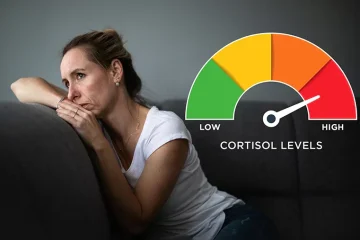
Burnout is more than just being tired it’s a state of chronic stress that affects your body, mind, and emotions. Many people brush it off as temporary fatigue, but ignoring it can lead to serious health consequences. The good news? You don’t have to quit your job, school, or life to recover. Recognizing the signs and applying small, intentional resets can help you regain balance and energy.
Signs You’re Experiencing Burnout
Burnout often develops gradually, making it hard to notice until it’s severe. Here are the most common warning signs:
1. Constant Fatigue
Feeling drained even after a full night’s sleep or weekend rest is a major indicator that your body is overstressed.
2. Emotional Exhaustion
You may feel detached, cynical, or emotionally flat toward work, relationships, or daily activities.
3. Reduced Performance
Tasks that were once easy feel overwhelming. You might notice declining focus, creativity, or motivation.
4. Physical Symptoms
Headaches, stomach issues, muscle tension, or frequent illnesses can accompany burnout.
5. Irritability and Mood Swings
Small annoyances feel magnified, and patience with coworkers, friends, or family may be running thin.
6. Loss of Interest or Joy
Activities you once enjoyed no longer bring satisfaction, leaving you feeling disconnected.
How to Reset Without Quitting Your Life
Recovery doesn’t always mean making drastic life changes. Start with small, manageable steps to restore energy and balance:
1. Prioritize Self-Care
-
Sleep at consistent times
-
Eat nourishing foods
-
Move your body regularly
2. Set Boundaries
-
Say “no” to extra commitments when needed
-
Disconnect from work emails or social media during personal time
3. Take Micro-Breaks
-
Short walks, deep-breathing exercises, or a few minutes of meditation can reset your mind during the day
4. Reassess Goals
-
Break tasks into smaller, realistic steps
-
Focus on what truly matters and let go of perfectionism
5. Seek Social Support
-
Talk to friends, family, or mentors about your stress
-
Consider professional help if burnout feels overwhelming
6. Engage in Joyful Activities
-
Even 10-15 minutes of hobbies, creative outlets, or nature exposure can boost mood and energy
FAQs
Q1: Can burnout happen even if I love my job?
A: Absolutely. Burnout is about stress exceeding your coping capacity, not job satisfaction. Even passion-driven work can lead to exhaustion if boundaries and self-care are ignored.
Q2: How long does it take to recover from burnout?
A: Recovery varies. Some people feel relief within weeks of making lifestyle adjustments, while deeper burnout may take months with consistent care and support.
Q3: Is burnout the same as depression?
A: No, but they can overlap. Burnout is work- or stress-related, while depression is a clinical mental health condition. Persistent sadness, hopelessness, or suicidal thoughts require professional help.
Q4: Should I quit my job to fix burnout?
A: Not necessarily. Many strategies like setting boundaries, delegating tasks, and prioritizing self-care can help you reset without major life changes.
Q5: Can exercise really help with burnout?
A: Yes. Physical activity reduces stress hormones, boosts endorphins, and improves mental clarity. Even light activity like walking or stretching can help.
Summary
Burnout doesn’t have to control your life. By recognizing the signs early and implementing practical, small-scale strategies, you can restore energy, clarity, and joy, without quitting your career, relationships, or life. Resetting your balance is possible when you prioritize self-care, boundaries, and meaningful activities.