When it comes to tracking your health and fitness journey, wearable technology has become a game-changer. But one big question remains:
Should you choose a smartwatch or a fitness tracker to monitor your progress?
Both devices help you track activity, but they serve slightly different purposes. Let’s break down their differences, strengths, and which one truly tracks progress better based on your goals.
What Is a Smartwatch?
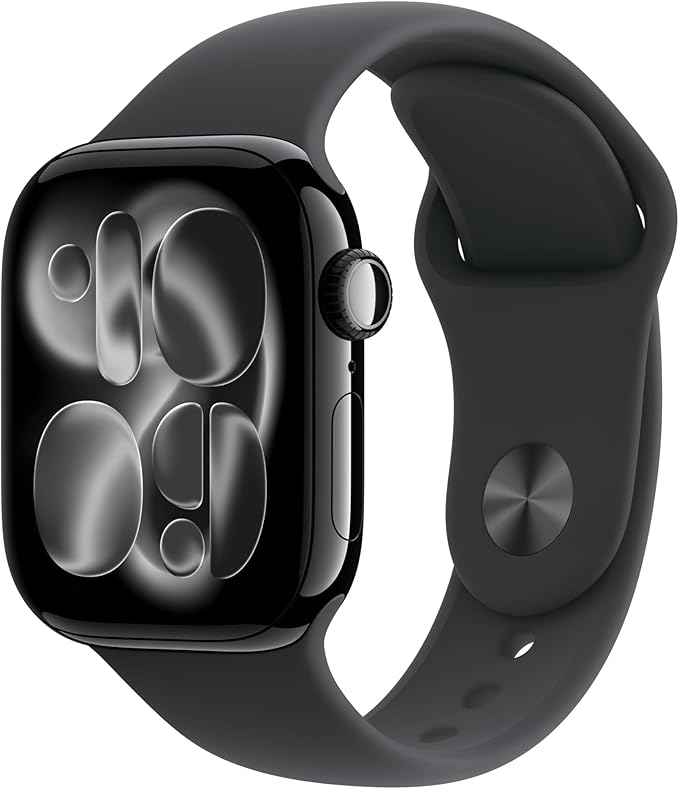
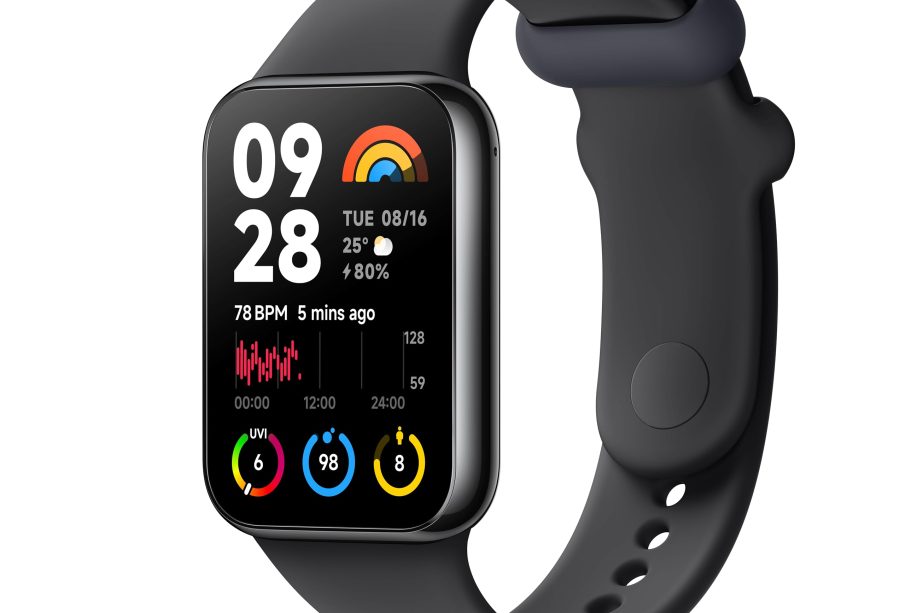
A smartwatch is a multifunctional wearable device that combines fitness tracking with smartphone-like features.
Popular examples include:
Key Features:
- Advanced heart rate monitoring
- ECG & blood oxygen tracking (in select models)
- Built-in GPS
- Call and message notifications
- App integration
- Music streaming
- Contactless payments
Smartwatches are ideal for users who want all-in-one functionality beyond fitness tracking.
What Is a Fitness Tracker?
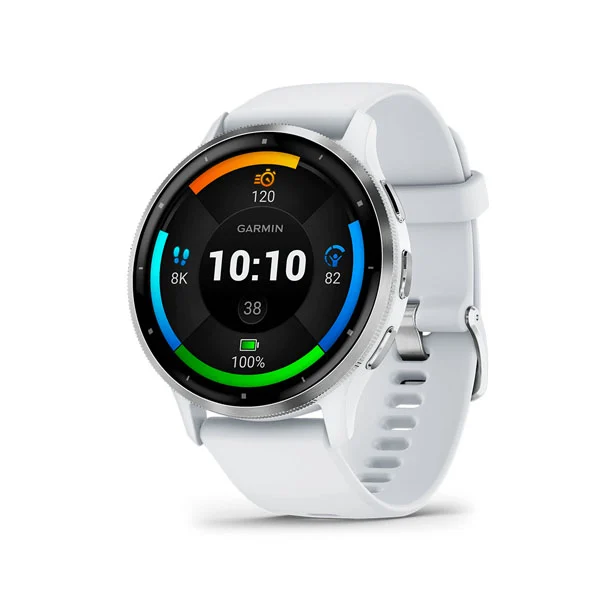
A fitness tracker focuses primarily on health and activity tracking. It’s typically slimmer, lighter, and more battery-efficient.
Popular examples include:
Key Features:
- Step counting
- Calories burned
- Sleep tracking
- Continuous heart rate monitoring
- Workout detection
- Long battery life
- Fitness trackers are built for simplicity and efficiency.
Smartwatch vs Fitness Tracker: Progress Tracking Comparison
Let’s compare how each performs in tracking measurable progress.
1. Accuracy of Activity Tracking
Both devices use similar sensors (accelerometer, heart rate monitor, GPS). However:
-
Smartwatches often offer more advanced workout modes and GPS accuracy.
-
Fitness trackers are excellent for basic tracking like steps and daily activity.
Winner: Tie (depends on the workout type).
2. Health Metrics & Insights
Smartwatches typically provide:
- ECG readings
- VO2 max estimation
- Stress monitoring
- Body temperature tracking (select models)
Fitness trackers provide:
- Steps
- Calories
- Heart rate
- Sleep stages
If your goal is deep performance analytics, smartwatches usually go further.
Winner: Smartwatch
3. Battery Life
-
Smartwatch: 1-3 days (average)
-
Fitness tracker: 5-14 days (average)
If consistent data without frequent charging matters to you, fitness trackers win here.
Winner: Fitness Tracker
4. Motivation & Ecosystem
Smartwatches integrate with:
- Training apps
- Social competitions
- Smart assistants
Fitness trackers focus more on:
- Habit tracking
- Basic milestone alerts
If you stay motivated by data visualization and app ecosystems, smartwatches offer more engagement.
Winner: Smartwatch
5. Comfort & Daily Wear
Fitness trackers are:
- Slimmer
- Lighter
- Less intrusive during sleep
Smartwatches are:
- Larger
- Heavier
- More noticeable during workouts
Winner: Fitness Tracker
Which Tracks Progress Better?
It depends on your definition of “progress.”
Choose a Smartwatch If:
- You train seriously (running, cycling, HIIT)
- You want advanced health insights
- You value GPS precision
- You like app integration and smart features
Choose a Fitness Tracker If:
- You want simple step & calorie tracking
- You prioritize battery life
- You prefer lightweight comfort
- You’re just starting your fitness journey
Conclusion
If you’re focused purely on fitness progress metrics, a smartwatch generally offers deeper data and advanced analytics.
However, if your goal is building consistent healthy habits, a fitness tracker may be more practical and sustainable long-term.
Ultimately, the best device is the one you’ll wear every day.
FAQs
1. Is a smartwatch more accurate than a fitness tracker?
Not necessarily. Both use similar sensors. Smartwatches may offer more advanced tracking modes, but basic metrics like steps and heart rate are comparable.
2. Can a fitness tracker replace a smartwatch?
Yes, if you only need activity and health tracking. But it won’t replace calling, messaging, or app features.
3. Which is better for weight loss tracking?
Both work well. The key is consistency. Fitness trackers are often better for daily calorie and step monitoring due to longer battery life.
4. Are smartwatches worth the higher price?
If you want multifunctionality (fitness + communication + apps), yes. If not, a fitness tracker provides better value.
5. Do professional athletes use fitness trackers?
Many athletes prefer advanced smartwatches (especially GPS-focused models) for performance analytics and recovery data.