Supplements vs Whole Foods: Can Pills Really Replace a Balanced Diet?
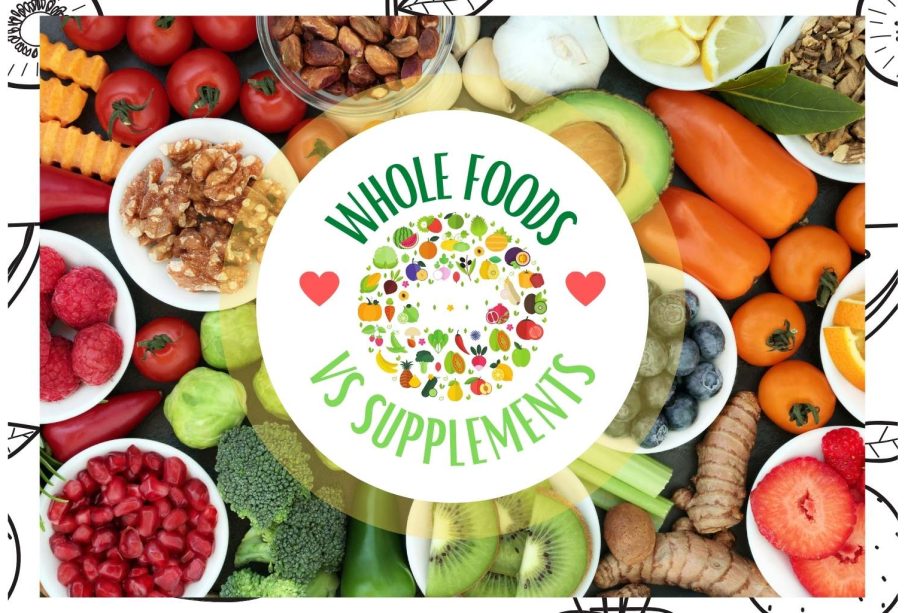
Most supplements promise an easy shortcut to better health. A multivitamin here, a protein powder there, and suddenly it feels like nutrition has been “handled.” But can supplements really replace whole foods, or is a balanced diet still irreplaceable?
This debate supplements vs whole foods has become increasingly relevant as wellness trends grow and supplement shelves expand. Let’s break down the science, benefits, limitations, and practical advice to help you make informed choices.
What Are Dietary Supplements?
Dietary supplements include vitamins, minerals, herbs, amino acids, enzymes, and other compounds designed to add to your nutrient intake. They come in many forms:
-
Pills and capsules
-
Powders
-
Liquids
-
Gummies
Supplements are regulated as food, not medicine, in many countries. This means they can support health—but they’re not intended to cure or replace proper nutrition.
What Are Whole Foods?
Whole foods are foods that are minimally processed and close to their natural state, such as:
-
Fruits and vegetables
-
Whole grains
-
Legumes
-
Nuts and seeds
-
Eggs, fish, and lean meats
These foods provide not only vitamins and minerals, but also fiber, antioxidants, phytonutrients, and enzymes that work together in ways supplements can’t fully replicate.
Supplements vs Whole Foods: Key Differences
1. Nutrient Complexity
Whole foods contain thousands of bioactive compounds that interact synergistically. For example, an orange delivers vitamin C plus fiber, flavonoids, and antioxidants all working together to improve absorption and effectiveness.
Supplements usually isolate one or a few nutrients, which can limit their overall impact.
Winner: Whole Foods
2. Absorption and Bioavailability
Nutrients from whole foods are often better absorbed by the body. Fat-soluble vitamins like A, D, E, and K require dietary fat, naturally present in many whole foods to be properly utilised.
Some supplements offer enhanced bioavailability, but many don’t mimic the natural absorption process.
Winner: Whole Foods (with some supplement exceptions)
3. Fibre Content
Fibre is essential for digestion, blood sugar regulation, heart health, and gut microbiome balance. Supplements rarely include meaningful fiber, while whole foods provide it abundantly.
Winner: Whole Foods
4. Convenience and Consistency
Supplements shine when it comes to convenience. They’re easy to take, portable, and consistent in dosage—useful for people with busy lifestyles or dietary restrictions.
Whole foods require planning, preparation, and access.
Winner: Supplements
5. Risk of Overconsumption
High-dose supplements can cause nutrient imbalances or toxicity, especially with fat-soluble vitamins and minerals like iron or zinc.
Whole foods naturally limit excessive intake due to volume and satiety.
Winner: Whole Foods
Can Supplements Replace a Balanced Diet?
Short answer: No.
Long answer: Supplements are meant to supplement—not substitute—whole foods.
A balanced diet provides:
-
Macronutrients (protein, carbs, fats)
-
Micronutrients (vitamins and minerals)
-
Fiber
-
Phytonutrients
-
Antioxidants
No pill can replicate this full nutritional profile.
When Do Supplements Make Sense?
While supplements can’t replace a healthy diet, they can be valuable tools in specific situations:
1. Nutrient Deficiencies
People with diagnosed deficiencies (e.g., vitamin D, iron, B12) may benefit from targeted supplementation.
2. Dietary Restrictions
Vegans, vegetarians, or those with food allergies may need supplements like:
-
Vitamin B12
-
Omega-3s
-
Iron
3. Life Stages and Conditions
Pregnancy, aging, intense athletic training, and certain medical conditions can increase nutrient needs.
4. Limited Food Access
In cases where access to diverse whole foods is limited, supplements can help fill nutritional gaps.
Common Myths About Supplements
Myth 1: “A Multivitamin Covers Everything”
Multivitamins can help, but they don’t replace fibre, healthy fats, or plant compounds found in real food.
Myth 2: “Natural Supplements Are Always Safe”
“Natural” doesn’t mean harmless. Herbal supplements can interact with medications and cause side effects.
Myth 3: “More Is Better”
Excess supplementation can stress the liver and kidneys and disrupt nutrient balance.
How to Combine Supplements and Whole Foods Wisely
For optimal health, focus on food first, supplements second.
Practical Tips:
-
Build meals around vegetables, whole grains, and quality protein
-
Use supplements to address specific gaps, not as a safety net
-
Choose third-party tested supplements
-
Consult a healthcare professional before starting new supplements
Whole Foods That Beat Supplements Naturally
Instead of pills, consider these nutrient-dense foods:
-
Leafy greens → magnesium, iron, folate
-
Fatty fish → omega-3s, vitamin D
-
Eggs → choline, protein, vitamin B12
-
Berries → antioxidants and fiber
-
Nuts and seeds → healthy fats and minerals
Final Verdict: Supplements vs Whole Foods
Supplements can support health but they cannot replace a balanced diet. Whole foods remain the gold standard for nutrition, offering unmatched complexity, absorption, and long-term benefits.
Think of supplements as helpers, not heroes.
If your goal is sustainable health, energy, and disease prevention, your best investment is still what’s on your plate not just what’s in your pill organiser.


Leave a reply


 Fun times ahead … #lebronjames #lakers #lebron #lustremagazine00:19
- Oscar-winning #MichaelBJordan Congratulations!! #Sinners for winning Best Actor at the 2026 #Oscars00:56
- #Zendaya publicly shared “recovery plan” and its brilliantly low-effort #lustremagazine00:16
- #NickJonas is smooth 😍 #PriyankaChopra #couple00:10
- #AnnaWintour and #MirandaPriestly at the 2026 #Oscars00:14
- #tchalamet and @kyliejenner make their way into the #VFOscars party. Video by wengellg00:06
- #Oscar winner and #Sinners star #MichaelBJordan00:38
- #ElsaPataky #ChrisHemsworth #Oscars #celebritycouple #Oscars202600:08
- #tyla attends the #maisonvalentino AW26 show in Rome #DazedFashionTV #Valentino00:12
- Garmmy 2026 #justinbieber #hailybieber #grammy #lilbieber #lustremagazine00:29
- #zendaya understood the assignment. #tomholland #viral #trend #celebrity00:11
- #LeonardoDiCaprio has graced the #BAFTAs with a rare red-carpet appearance, wearing a #dior00:21
- #annehathaway at the #Balenciaga fashion show 2026 #ParisFashion Week on #thedevilwearsprada00:14
- #Ponytail is back! #ArianaGrande looks gorgeous at the 2026 🎥: ginainterrupted #GoldenGlobes.00:20
- #SHAQ forgot that he bought two Escalades 😅01:14
- #therock and #KevinHart doing the #TortillaChallenge is the funniest thing we’ve seen all week!01:00
- #Oscar Throwbacks, #EmmaStone accepting her second Academy Award (in a broken dress!)01:41
- #Bridgerton cast and crew singing ‘Happy Birthday’ for #Yerin #bridgertonseason400:16
- Inside #queencharlotte wig #bridgerton #bridgertonseason400:08
- #zendaya at the #louisvuitton AW26 #lustremagazine00:17
- #shaq on set for #gravesendseries #shaq #brooklyn #onset #basketball #gangster #epic00:13
- #zendaya dazzling in white at #louisvuitton’s fall/winter #ParisFashionWeek show #lustremagazine00:17
- #shaq #queenlatifah at a NBA playoffs game #shaquilleoneal #nbaplayoffs00:16
- #johnlithgow #albusdumbledore #harrypotter #celebrity00:12
- #sbiff awardees #jacobelordi #wagnermoura #teyanataylor #wunmimosaku #ingalilleaas #sydneysweeney00:07