
The Art of Outfit Repetition
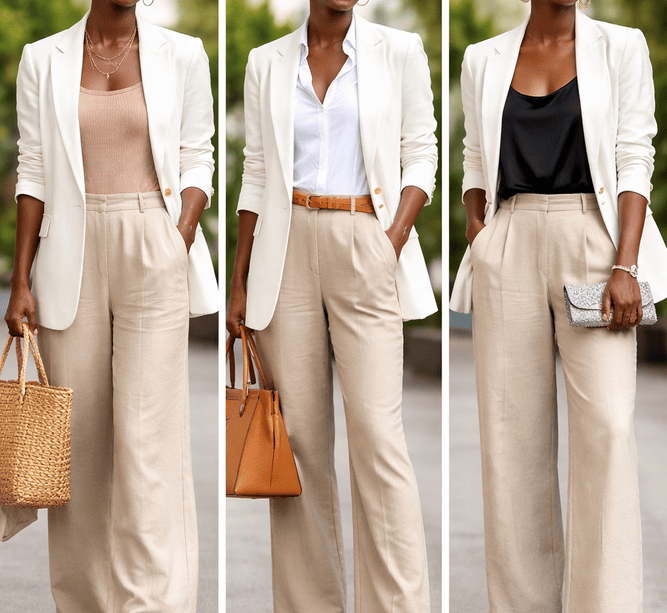
In fashion conversations today, one idea is becoming more accepted and even admired: outfit repetition. For a long time, many people felt pressure to avoid wearing the same outfit more than once, especially when attending events, appearing in photographs, or sharing personal style online. Today, that mindset is changing. Repeating outfits is no longer seen as a lack of creativity. Instead, it is increasingly recognized as a smart, stylish, and sustainable approach to dressing.
The art of outfit repetition is not simply about wearing the same clothes again. It is about learning how to re-style familiar pieces in fresh ways, understanding what truly works for your body and lifestyle, and building confidence around personal style choices.
Why Outfit Repetition Matters in Modern Fashion
Fashion is often associated with constant change, but real personal style is built on consistency. Many stylish people repeat clothing because they understand what fits well, what feels comfortable, and what reflects their personality.
Outfit repetition helps reduce unnecessary shopping and encourages intentional wardrobe choices. Instead of buying new pieces for every occasion, people are learning to maximize what they already own.
This approach also reflects a broader movement toward conscious fashion, where quality and versatility matter more than quantity.
Even public figures such as Meghan Markle and Kate Middleton are often praised for repeating outfits while styling them differently, proving that confidence matters more than novelty.
Repetition Does Not Mean Looking the Same
One common misconception is that repeating an outfit means appearing identical every time. In reality, small styling changes can completely transform a familiar look.
A dress worn with flats for daytime can look entirely different when paired with heels and statement jewelry in the evening.
A blazer worn over trousers one day can be layered over a dress another day.
Changing accessories, footwear, bags, hairstyles, or outerwear often creates a fresh visual effect without needing entirely new clothing.
This is where creativity becomes important.
Learn how to find your personal style
Start With Versatile Wardrobe Pieces
The easiest way to master outfit repetition is by identifying versatile pieces in your wardrobe.
These usually include:
- neutral blazers
- plain trousers
- structured dresses
- white shirts
- denim pieces
- simple skirts
- comfortable co-ord sets
Versatile pieces allow repeated use because they combine easily with other items.
For example, a well-cut white shirt can work for office wear, casual outings, and formal layering.
A quality black dress can serve multiple occasions depending on the styling.
The goal is to invest in clothing that gives multiple styling possibilities.
Accessories Create New Energy
Accessories are one of the strongest tools for successful outfit repetition.
A repeated outfit can feel completely different when paired with:
- bold earrings
- layered necklaces
- scarves
- belts
- handbags
- sunglasses
A simple outfit often looks new when accessories change its mood.
For example, adding a belt can redefine silhouette, while changing a handbag can shift an outfit from formal to relaxed.
In many African fashion spaces, accessories such as headwraps and statement jewelry add strong personality to repeated outfits.
A plain dress styled with a vibrant headwrap can immediately create a fresh appearance.
Colour Pairing Changes Perception
Repeating clothing becomes less obvious when colour combinations shift.
Neutral trousers can look different with a bright top one day and a muted tone another day.
Layering colours differently creates variety even when the base item remains the same.
This is why many fashion experts recommend building wardrobes around adaptable colours such as black, white, beige, navy, olive, and brown.
These shades make repetition easier because they blend with many combinations.
Layering Makes Repetition Look Intentional
Layering is one of the most effective repetition strategies.
A dress can become:
- office wear with a blazer
- weekend wear with denim
- evening wear with a shawl
A shirt can be worn:
- tucked into trousers
- tied over a skirt
- layered under a sleeveless dress
Layering helps familiar pieces feel new without requiring new purchases.
It also adds visual depth to outfits.
Outfit Repetition Supports Sustainable Fashion
Fashion waste has become a global concern, and repeating outfits supports more responsible consumption.
When people wear clothes multiple times, they reduce unnecessary demand for fast fashion and extend the value of garments they already own.
This aligns with growing global conversations around sustainability.
Across Africa, more designers are promoting durability, handcrafted fabrics, and intentional wardrobe building.
Repeating clothes also encourages better garment care, which helps clothing last longer.
Confidence Is the Real Secret
The biggest part of outfit repetition is mindset.
Many people notice repeated outfits far less than we assume. What people usually remember is how confidently someone carried themselves.
When you feel comfortable and confident in an outfit, repetition becomes natural.
True style is not measured by how often you buy new clothes. It is reflected in how well you understand what works for you.
Social Media Is Changing the Conversation
In the past, social media often increased pressure to always appear in new outfits. Today, many style influencers openly discuss repeating clothes and styling them differently.
This has made outfit repetition more socially accepted.
It also helps audiences understand that style is about creativity rather than constant consumption.
The conversation is shifting from “new” to “well styled.”
Build a Wardrobe That Encourages Repetition
A wardrobe that supports repetition usually includes:
- quality basics
- comfortable statement pieces
- adaptable fabrics
- practical footwear
- timeless cuts
This does not mean avoiding trends completely. It means choosing trends that can blend into your existing wardrobe.
Pieces that combine easily with others naturally get worn more often.
Final Thoughts
The art of outfit repetition teaches an important lesson: style does not depend on constant newness.
Repeating outfits well shows confidence, creativity, and awareness. It allows people to use fashion more intentionally while expressing personal identity in different ways.
The most stylish wardrobes are often not the largest. They are the ones where each piece continues to serve multiple purposes.
Wearing your favourite outfit again is not a limitation. It is often proof that you chose well.

1 comment
Leave a reply


 Fun times ahead … #lebronjames #lakers #lebron #lustremagazine00:19
 Oscar-winning #MichaelBJordan Congratulations!! #Sinners for winning Best Actor at the 2026 #Oscars00:56
 #Zendaya publicly shared “recovery plan” and its brilliantly low-effort #lustremagazine00:16
 #NickJonas is smooth 😍 #PriyankaChopra #couple00:10
 #AnnaWintour and #MirandaPriestly at the 2026 #Oscars00:14
 #tchalamet and @kyliejenner make their way into the #VFOscars party. Video by wengellg00:06
 #Oscar winner and #Sinners star #MichaelBJordan00:38
 #ElsaPataky #ChrisHemsworth #Oscars #celebritycouple #Oscars202600:08
 #tyla attends the #maisonvalentino AW26 show in Rome #DazedFashionTV #Valentino00:12
 Garmmy 2026 #justinbieber #hailybieber #grammy #lilbieber #lustremagazine00:29
 #zendaya understood the assignment. #tomholland #viral #trend #celebrity00:11
 #LeonardoDiCaprio has graced the #BAFTAs with a rare red-carpet appearance, wearing a #dior00:21
 #annehathaway at the #Balenciaga fashion show 2026 #ParisFashion Week on #thedevilwearsprada00:14
 #Ponytail is back! #ArianaGrande looks gorgeous at the 2026 🎥: ginainterrupted #GoldenGlobes.00:20
 #SHAQ forgot that he bought two Escalades 😅01:14
 #therock and #KevinHart doing the #TortillaChallenge is the funniest thing we’ve seen all week!01:00
 #Oscar Throwbacks, #EmmaStone accepting her second Academy Award (in a broken dress!)01:41
 #Bridgerton cast and crew singing ‘Happy Birthday’ for #Yerin #bridgertonseason400:16
 Inside #queencharlotte wig #bridgerton #bridgertonseason400:08
 #zendaya at the #louisvuitton AW26 #lustremagazine00:17
 #shaq on set for #gravesendseries #shaq #brooklyn #onset #basketball #gangster #epic00:13
 #zendaya dazzling in white at #louisvuitton’s fall/winter #ParisFashionWeek show #lustremagazine00:17
 #shaq #queenlatifah at a NBA playoffs game #shaquilleoneal #nbaplayoffs00:16
 #johnlithgow #albusdumbledore #harrypotter #celebrity00:12
 #sbiff awardees #jacobelordi #wagnermoura #teyanataylor #wunmimosaku #ingalilleaas #sydneysweeney00:07




[…] Learn the art of outfit repetition […]