The History of The Ordinary
In an industry built on aspiration, airbrushed perfection, and luxury markups, The Ordinary did something radical.
It told the truth.
No glossy supermodel campaigns.
No poetic ingredient metaphors.
No $200 miracle creams wrapped in gold.
Instead, it offered clinical packaging, blunt ingredient lists, and prices that felt almost suspiciously low.
Here’s the story of how The Ordinary’s campaign strategy reshaped modern beauty marketing.
The Birth of a Disruptor (2016)
DECIEM launched The Ordinary in 2016 under the leadership of founder Brandon Truaxe.
At the time, skincare marketing was dominated by:
- Luxury positioning
- Celebrity endorsements
- Vague promises like “age-defying complex”
- Heavy markups disguised as prestige
The Ordinary flipped the script.
Instead of marketing fantasies, the brand marketed formulations.
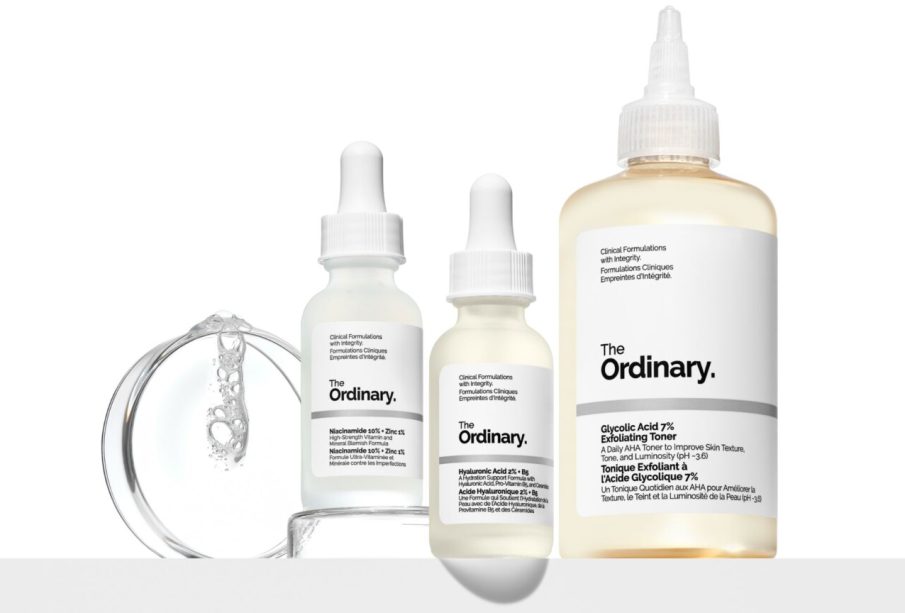
Products were named after their active ingredients:
- Niacinamide 10% + Zinc 1%
- Hyaluronic Acid 2% + B5
- Retinol 0.5% in Squalane
The campaign message was simple:
You are paying for ingredients not marketing.
Campaign Phase 1: Radical Transparency
Unlike traditional brands, The Ordinary’s early campaign wasn’t built around advertising spend.
It was built around:
- Ingredient education
- Transparent pricing breakdowns
- Scientific tone of voice
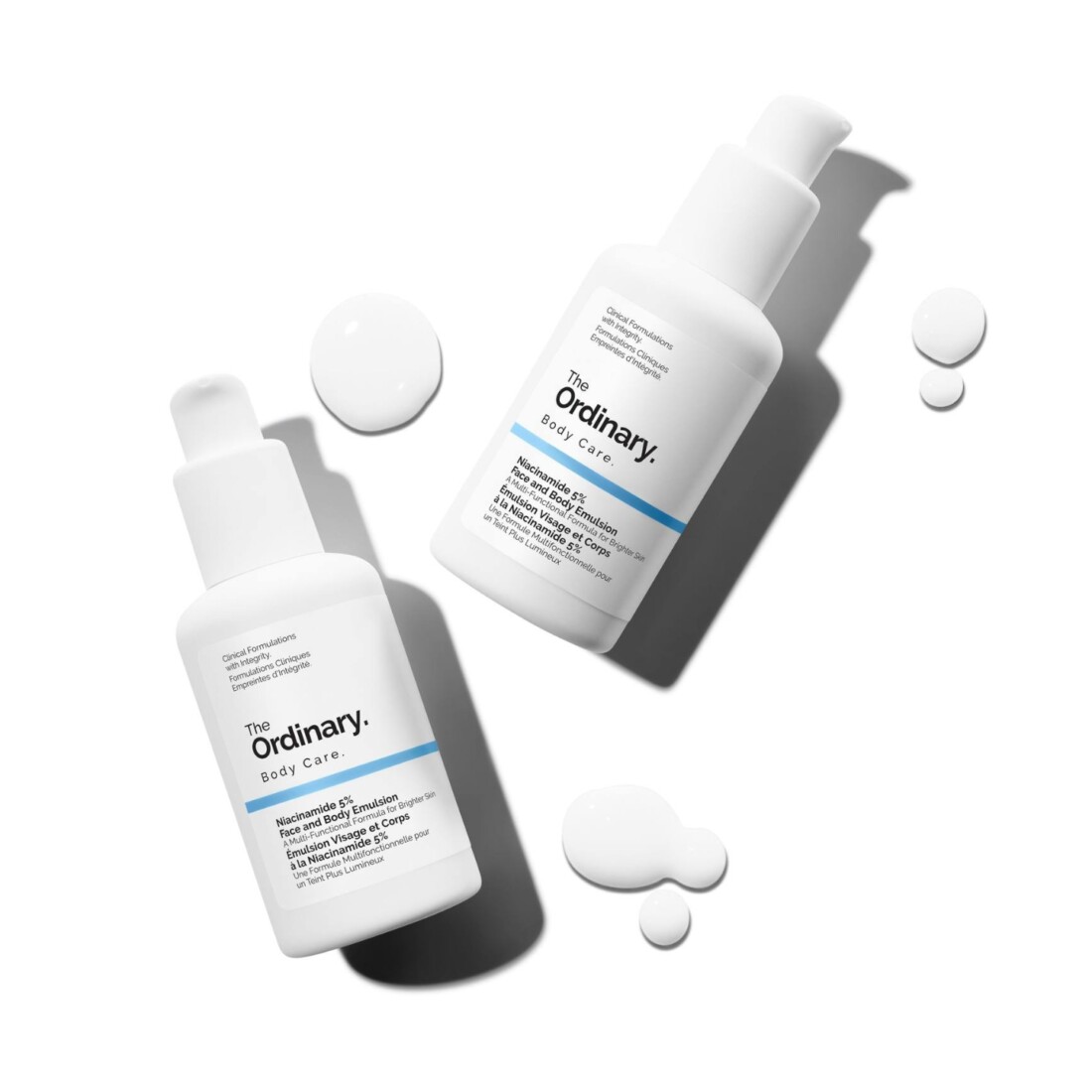
- Clinical, laboratory-style visuals
The minimalist white packaging became a visual rebellion against ornate luxury jars.
This wasn’t accidental it was positioning.
The brand aligned itself with informed consumers who were tired of being oversold.
Campaign Phase 2: Social Media as the Primary Channel
Rather than rely on traditional beauty advertising, The Ordinary grew through:
- Instagram ingredient explainers
- Reddit skincare communities
- YouTube dermatologist reviews
- Before-and-after transparency
- Their campaign worked because it empowered customers to feel intelligent.
Skincare suddenly felt like chemistry class and that was the appeal.
The brand leaned into comparison charts, regimen guides, and FAQs that felt almost pharmaceutical in tone.
The Anti-Influencer Era
While competitors invested heavily in influencer partnerships, The Ordinary maintained a restrained approach.
The campaign strategy avoided:
- Flashy paid celebrity endorsements
- Glamour-heavy photoshoots
- Emotional storytelling tropes
Instead, the brand’s identity became:
- Science-first
- Affordable
- Accessible
- Slightly rebellious
This anti-luxury positioning turned into a luxury of its own the luxury of honesty.
The Turning Point: Brand Turbulence & Leadership Change
In 2018, founder Brandon Truaxe was removed from DECIEM amid public controversy, and the brand experienced internal upheaval.
Eventually, majority ownership shifted to Estée Lauder Companies, marking a new chapter.
Many questioned whether The Ordinary could maintain its disruptive authenticity under a corporate umbrella.
Surprisingly, the campaign ethos remained intact:
- Clean typography
- Ingredient-led naming
- Affordable pricing
- Educational marketing
The aesthetic barely changed proof that the brand identity was bigger than any one founder.
Campaign Phase 3: Cultural Mainstreaming
By the early 2020s, The Ordinary had moved from niche disruptor to mainstream powerhouse.
Its campaign messaging evolved slightly:
-
More inclusive casting
-
Wider shade and skin-type representation
-
Dermatologist-backed credibility
But the core remained the same:
No fluff.
No fantasy.
Just formulations.
The brand had done something rare it made minimalism aspirational.
Why The Campaign Worked
The success of The Ordinary campaign came down to five core pillars:
1. Pricing Transparency
Consumers could see percentages, concentrations, and costs.
2. Educational Empowerment
The campaign didn’t talk down it explained.
3. Visual Consistency
White labels, dropper bottles, clinical fonts instantly recognizable.
4. Timing
The rise of skincare literacy and ingredient awareness created the perfect cultural moment.
5. Anti-Luxury Positioning
By rejecting beauty industry theatrics, the brand became the most talked-about brand in the room.
The Legacy of The Ordinary Campaign
Today, ingredient-first marketing is everywhere.
Drugstore brands highlight percentages.
Luxury brands emphasize active ingredients.
Consumers compare formulations before purchasing.
That shift traces back to The Ordinary’s campaign philosophy.
It didn’t just sell skincare.
It changed how skincare is sold.
And perhaps most importantly it proved that honesty can be a marketing strategy.