Top Beauty Trends Taking Over Social Media
The top beauty trends taking over social media are redefining how consumers discover, evaluate, and adopt beauty routines in 2026. Instead, they are shaped by digital culture, audience behavior, and the way beauty intersects with technology, identity, and everyday life. Platforms like TikTok and Instagram are shaping trends through community conversations, creator experiments, and viral comparisons.
From AI-driven skincare diagnostics to preventative injectables and the rise of dupe culture, the top beauty trends taking over social media reflect deeper conversations around technology, identity, affordability, and authenticity. Here’s a closer look at what’s dominating feeds right now.
AI-Powered Beauty
Artificial intelligence has become embedded in everyday beauty routines. What started as playful filters has evolved into advanced tools that analyze skin conditions, recommend tailored regimens, and simulate results before purchase.
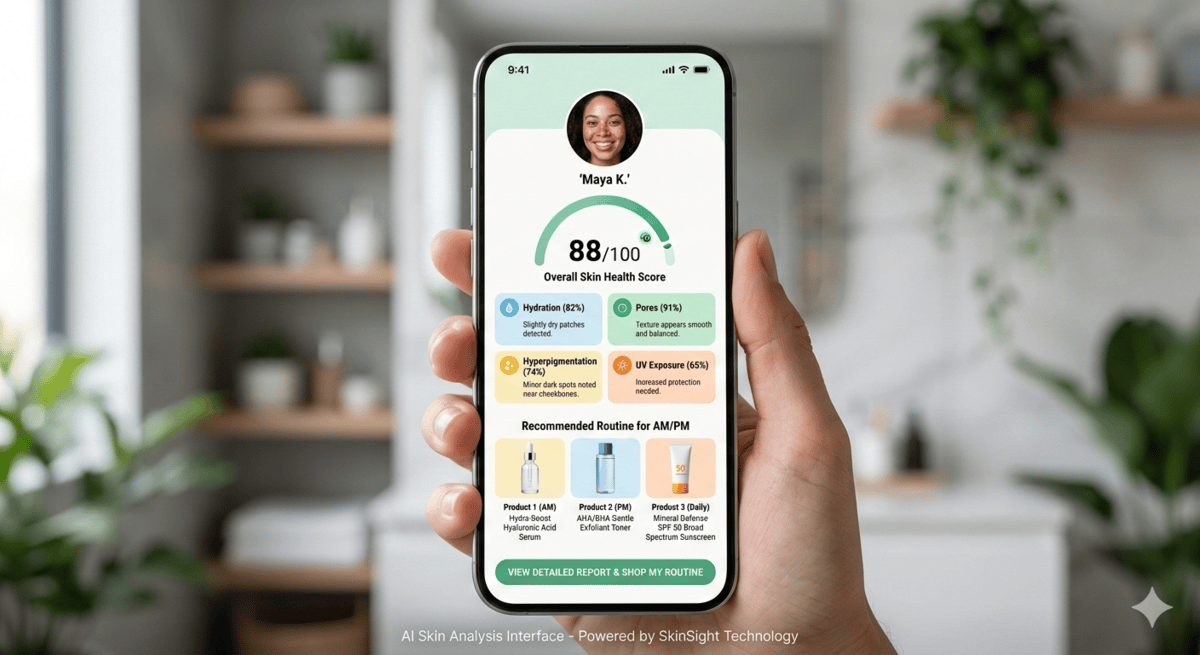
AI Skin Analysis and Smart Routines
Users now rely on digital skin scans and algorithm-based recommendations to build routines that adapt over time. Rather than chasing viral “hero products,” consumers are investing in systems that respond to their changing skin needs.
Virtual try-on features and AI-enhanced shade matching are also reshaping how people shop online and in-store. Retailers like Sephora have integrated interactive tools that allow shoppers to preview products instantly before making their purchase.
Learn more about the best skincare routine for your skin type
Authenticity vs. Digital Perfection
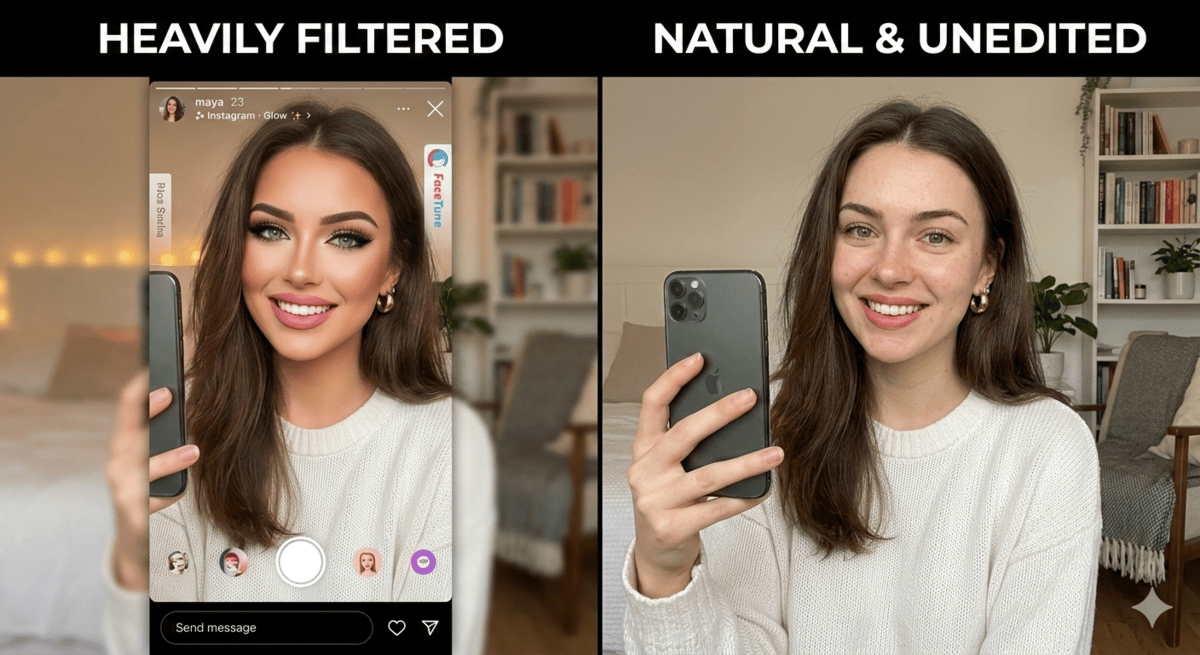
As AI-generated imagery becomes more advanced, audiences are questioning realism and transparency. Many users now prefer unfiltered, “raw” content over hyper-polished visuals. This tension between innovation and authenticity is one of the most important cultural shifts influencing the top beauty trends taking over social media today.
Authenticity is now questionable, and realism is highly sought after.
Preventative Injectables and Lifestyle Aesthetics
Another major shift in the top beauty trends taking over social media is the normalization of non-surgical treatments.
Baby Botox and Early Intervention
Low-dose injectable treatments—often called “Baby Botox”—are increasingly framed as preventative maintenance rather than dramatic correction. Younger consumers discuss subtle enhancements as part of long-term skin planning.
GLP-1 Weight Loss and Facial Aesthetics
The widespread conversation around medications like Ozempic has also sparked discussions about facial volume loss following rapid weight changes. As a result, skincare products, collagen supplements, and at-home tightening devices are trending as supportive solutions.
At the same time, social media has amplified criticism of early cosmetic intervention, creating an ongoing dialogue around beauty standards and self-acceptance.
Skinimalism and High-Tech Skincare
Minimal makeup paired with glowing skin continues to define the top beauty trends taking over social media.
Learn how to choose the right foundation shade that suits your skin
Dewy, Healthy-Looking Complexions
Heavy contour and matte finishes are being replaced with hydrated, luminous skin. The focus is on barrier repair, lightweight serums, and glow-enhancing formulas.
K-Beauty and At-Home Devices
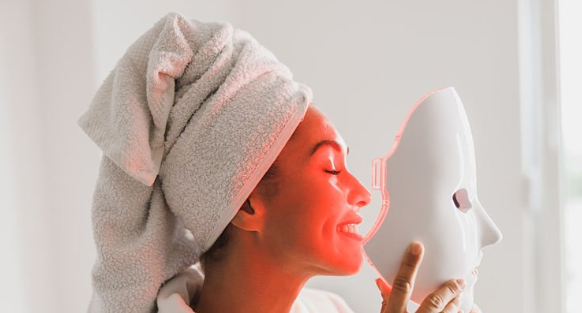
Korean-inspired routines remain influential, with overnight masks and LED therapy devices gaining traction. Even niche procedures such as PDRN-based skin therapies have entered mainstream conversation thanks to celebrity buzz and online reviews. Advanced regenerative treatments are also trending due to online reviews and influencer experimentation.
Acne Acceptance and Visible Imperfection
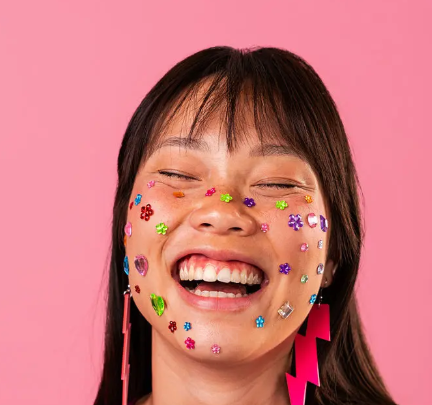
A culturally significant shift within the top beauty trends taking over social media is the reframing of acne from flaw to statement.
Brands like Starface transformed pimple patches into colorful accessories rather than discreet treatments.
Bright, decorative patches are worn visibly in selfies and street-style photos. Instead of hiding blemishes, users showcase them as part of their identity.
This movement reflects a broader embrace of vulnerability and realism in digital beauty culture.
Dupe Culture and the Shift in Brand Loyalty
Affordability and financial awareness are central to the top beauty trends taking over social media.
Consumers actively compare high-end products with budget alternatives, analyzing ingredients and performance. Retail platforms like Amazon frequently appear in these discussions due to accessibility and price comparisons.
Side-by-side swatch videos and wear tests generate high engagement because they offer visible proof of performance.
Smart Shopping as Identity
Consumers compare ingredient lists, test side-by-side swatches, and document wear tests before purchasing. Retail giants like Amazon frequently appear in these conversations, highlighting how accessibility fuels this movement.
Owning a luxury product may signal status, but finding a high-performing alternative signals savvy. As a result, brand loyalty is weakening, especially among Gen Z shoppers, and purchase behavior changes.
Sustainability, Transparency, and Ethical Beauty Choices
The top beauty trends taking over social media also reflect changing consumer values.
Natural deodorants, refillable packaging, and clean formulations are gaining traction as users weigh performance against environmental and health concerns. Open discussions about cosmetic procedures, skincare failures, and ingredient transparency are becoming standard across social platforms.
The Fragmentation of Beauty Culture in 2026
One defining characteristic of the top beauty trends taking over social media is fragmentation. There is no single dominant aesthetic controlling the algorithm. Instead, micro-communities are shaping niche looks simultaneously, ranging from glossy minimalism to bold graphic experimentation.
On TikTok, hyper-specific routines gain traction within days, while on Instagram, curated visual storytelling still holds power. This multi-platform ecosystem means trends rise faster but also fade quicker.
Consumers are no longer passive followers of beauty standards. They question ingredients, research treatments, compare prices, and openly critique unrealistic ideals. This behavior has transformed beauty into a participatory culture rather than a top-down industry.
For brands, this fragmentation means agility is essential. Campaigns must anticipate backlash as much as virality. Transparency, ethical positioning, and community engagement are no longer optional; they are strategic necessities.
What the Top Beauty Trends Taking Over Social Media Mean for 2026
The top beauty trends taking over social media reveal a fragmented yet intentional beauty culture. Consumers are balancing:
- Technology with authenticity
- Preventative treatments with self-acceptance
- Luxury branding with intelligent alternatives
- Clean values with product performance
Rather than following a single dominant look, audiences are curating routines that align with their identity and beliefs.
As social platforms continue to accelerate trend cycles, brands that prioritize transparency, adaptability, and cultural awareness will thrive. The future of beauty belongs to those who understand that trends are no longer just about products, they are about participation, values, and visible choices in a digital-first world.

Leave a reply


 Fun times ahead … #lebronjames #lakers #lebron #lustremagazine00:19
 Oscar-winning #MichaelBJordan Congratulations!! #Sinners for winning Best Actor at the 2026 #Oscars00:56
 #Zendaya publicly shared “recovery plan” and its brilliantly low-effort #lustremagazine00:16
 #NickJonas is smooth 😍 #PriyankaChopra #couple00:10
 #AnnaWintour and #MirandaPriestly at the 2026 #Oscars00:14
 #tchalamet and @kyliejenner make their way into the #VFOscars party. Video by wengellg00:06
 #Oscar winner and #Sinners star #MichaelBJordan00:38
 #ElsaPataky #ChrisHemsworth #Oscars #celebritycouple #Oscars202600:08
 #tyla attends the #maisonvalentino AW26 show in Rome #DazedFashionTV #Valentino00:12
 Garmmy 2026 #justinbieber #hailybieber #grammy #lilbieber #lustremagazine00:29
 #zendaya understood the assignment. #tomholland #viral #trend #celebrity00:11
 #LeonardoDiCaprio has graced the #BAFTAs with a rare red-carpet appearance, wearing a #dior00:21
 #annehathaway at the #Balenciaga fashion show 2026 #ParisFashion Week on #thedevilwearsprada00:14
 #Ponytail is back! #ArianaGrande looks gorgeous at the 2026 🎥: ginainterrupted #GoldenGlobes.00:20
 #SHAQ forgot that he bought two Escalades 😅01:14
 #therock and #KevinHart doing the #TortillaChallenge is the funniest thing we’ve seen all week!01:00
 #Oscar Throwbacks, #EmmaStone accepting her second Academy Award (in a broken dress!)01:41
 #Bridgerton cast and crew singing ‘Happy Birthday’ for #Yerin #bridgertonseason400:16
 Inside #queencharlotte wig #bridgerton #bridgertonseason400:08
 #zendaya at the #louisvuitton AW26 #lustremagazine00:17
 #shaq on set for #gravesendseries #shaq #brooklyn #onset #basketball #gangster #epic00:13
 #zendaya dazzling in white at #louisvuitton’s fall/winter #ParisFashionWeek show #lustremagazine00:17
 #shaq #queenlatifah at a NBA playoffs game #shaquilleoneal #nbaplayoffs00:16
 #johnlithgow #albusdumbledore #harrypotter #celebrity00:12
 #sbiff awardees #jacobelordi #wagnermoura #teyanataylor #wunmimosaku #ingalilleaas #sydneysweeney00:07