
What Is Vagus Nerve Stimulation? Benefits, Risks & Do You Need It
What Is Vagus Nerve Stimulation? Benefits, Risks & Do You Need It
What Is Vagus Nerve Stimulation?
The vagus nerve is the longest cranial nerve in the body, running from the brain through the neck into the chest and abdomen. It plays a central role in the autonomic nervous system, helping regulate heart rate, digestion, breathing, immune responses and stress reactions.
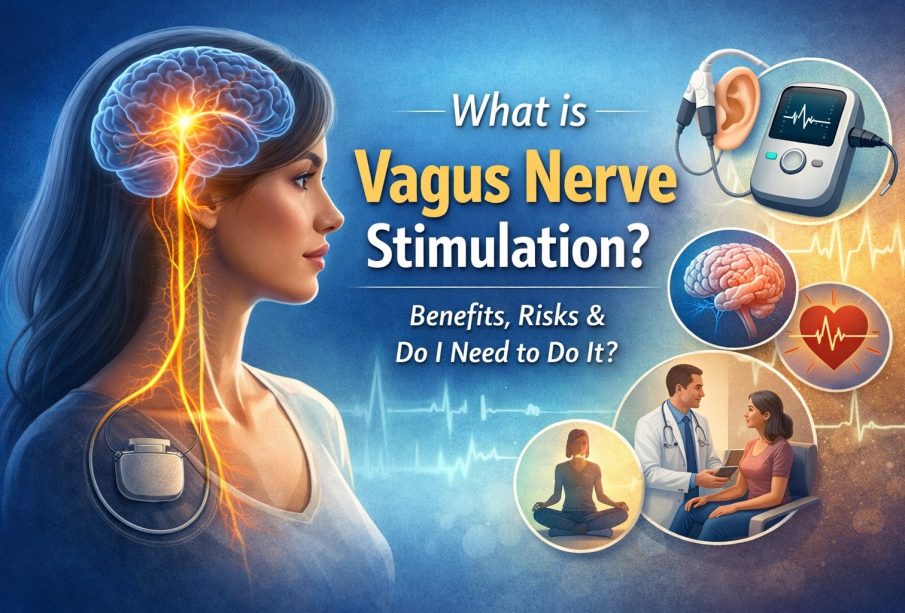
Vagus nerve stimulation (VNS) refers to the delivery of mild electrical impulses to this nerve to influence brain activity and nervous system function. Typically, this is done using a tiny device somewhat like a cardiac pacemaker implanted under the skin in the chest with a lead that connects to the left vagus nerve. The device sends regular pulses that “modulate” the nerve’s signals to the brain.
There are also non-invasive VNS devices that stimulate the vagus nerve through the skin for example, on the neck or ear without surgery. These devices aim to deliver similar stimulation, though their effects and evidence for broad wellbeing claims are more mixed than for implantable versions.
Why Is Vagus Nerve Stimulation Used?
1. Epilepsy
VNS was first approved as a therapy for people with medication-resistant epilepsy. When medicines don’t fully control seizures, VNS can help reduce how often seizures occur and how severe they are, though it’s not a cure and doesn’t replace medications.
2. Treatment-Resistant Depression
For some adults with depression that hasn’t improved after multiple medications and therapies, VNS can be a treatment option. It may help improve mood and quality of life over several months.
3. Stroke Rehabilitation
VNS paired with physical rehabilitation has been approved in some regions to help improve arm and hand function after a stroke.
4. Headache Disorders
Non-invasive VNS devices have been licensed in some countries for cluster headaches and migraines, where they may help reduce pain by altering neural signalling.
5. Research and Emerging Uses
Clinical trials are ongoing for other potential applications, including inflammatory conditions, chronic pain, and psychiatric disorders, though evidence is still developing.
How Does VNS Work?
In implantable VNS, a small battery-operated generator sends electrical pulses through wires to the vagus nerve in the neck. This stimulation travels to the brainstem and then influences other brain areas helping “calm” abnormal electrical activity or alter neurotransmitter release.
Non-invasive devices work by sending electrical or sensory signals through the skin to stimulate smaller vagal branches. These are designed to activate nerve pathways without implantation.
Benefits of Vagus Nerve Stimulation
✔️ Reduced seizure frequency and severity in some people with epilepsy.
✔️ Improved mood or reduced depressive symptoms for treatment-resistant depression.
✔️ Enhanced recovery in stroke rehabilitation when paired with therapy.
✔️ Potential headache relief with specific non-invasive devices.
Results vary between individuals, and benefits often develop gradually over weeks or months rather than immediately.
Risks and Side Effects
VNS especially the implantable version is generally safe when performed by qualified clinicians, but it comes with risks and potential side effects:
Surgical Risks
• Infection, bleeding, pain at the incision site.
• Temporary vocal cord weakness or paralysis in rare cases.
Typical VNS Side Effects
• Changes in voice or hoarseness
• Throat pain or cough
• Shortness of breath
• Difficulty swallowing
• Headache or tingling sensations
Non-Invasive Devices
Non-surgical stimulators tend to have fewer serious risks, but the scientific evidence for general wellbeing uses (e.g., stress relief) is limited, and some devices marketed for relaxation may lack robust validation.
Do You Need Vagus Nerve Stimulation?
In most cases, no. VNS is a medical therapy intended for specific conditions under professional supervision not a general wellness tool.
You might consider VNS if:
- You have epilepsy that isn’t controlled by medication.
- You experience treatment-resistant depression and have exhausted conventional options.
- A specialist recommends VNS as part of stroke rehabilitation.
- You’re under the care of a clinician for headache disorders where VNS is approved.
It’s not usually recommended:
- As a self-administered stress-relief gadget.
- For general health tuning without medical indications.
- Based on social media trends or non-evidence-based wellness claims.
Always consult a healthcare professional ideally a neurologist or psychiatrist before considering any form of VNS. They can help assess whether it’s appropriate based on your symptoms, medical history and treatment goals.
Alternative Ways to Support Vagus Nerve Health
Even without a device, there are lifestyle practices that may support your vagus nerve function and general wellbeing though they aren’t replacements for medical VNS therapy:
-
Deep breathing and breath-work
-
Gentle exercise and yoga
-
Meditation and relaxation routines
-
Cold exposure or massage (may stimulate parasympathetic responses)
These methods aim to enhance your parasympathetic “rest and digest” response, which the vagus nerve is a major part of.
Conclusion
Vagus nerve stimulation is a clinically proven therapy for specific medical conditions like epilepsy and treatment-resistant depression, with solid evidence supporting its use when carefully prescribed. For the average person without these conditions, there’s no medical necessity for VNS, and casual use of unproven devices isn’t recommended.
If you’re curious about VNS especially for a medical concern explore your options with a qualified clinician who can tailor guidance to your health needs.