Why Do We Bloat? Causes, Symptoms & How to Reduce Bloating Naturally
Why Do We Bloat? Understanding the Causes (And How to Feel Better Fast)
Bloating is one of the most common digestive complaints yet it’s often misunderstood.
That tight, swollen, uncomfortable feeling in your abdomen can appear after meals, during your menstrual cycle, or seemingly out of nowhere. But why does it happen?
Let’s break down what bloating really is, the most common causes, and what you can do to prevent it.
What Is Bloating?
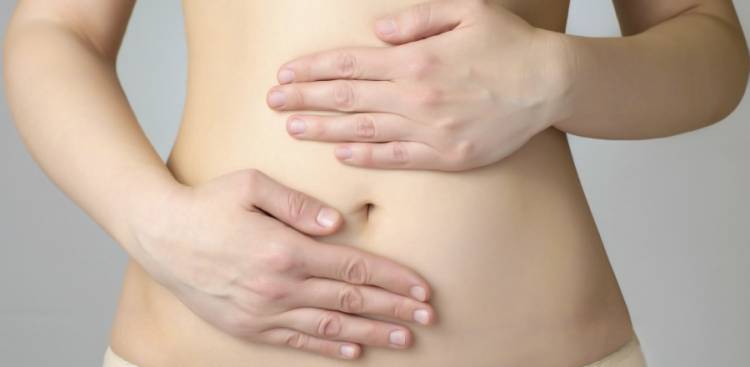
Bloating is a sensation of fullness, tightness, or swelling in the abdomen. Sometimes your stomach visibly expands; other times it just feels uncomfortable.
It’s usually caused by:
- Excess gas
- Fluid retention
- Sluggish digestion
- Hormonal changes
1. Gas Build-Up in the Gut
The most common cause of bloating is gas.
When you eat, your digestive system breaks down food. Certain foods especially those high in fiber or fermentable carbohydrates produce gas during digestion.
Common gas-producing foods:
- Beans and lentils
- Cruciferous vegetables (broccoli, cabbage)
- Carbonated drinks
- Dairy (for lactose-intolerant individuals)
Swallowing air (from eating too fast, chewing gum, or drinking through a straw) can also contribute.
2. Food Intolerances
If bloating happens frequently after certain meals, food intolerance may be the culprit.
Common triggers include:
- Lactose (milk, cheese, ice cream)
- Gluten (in people sensitive to it)
- FODMAP foods (fermentable carbohydrates)
When your body struggles to digest certain ingredients, fermentation increases in the gut leading to gas and bloating.
3. Hormonal Changes
Many women experience bloating before or during their period.
Hormonal fluctuations particularly changes in estrogen and progesterone can:
- Slow digestion
- Increase water retention
- Cause abdominal swelling
This type of bloating usually resolves once hormone levels stabilize.
4. Constipation
If waste moves slowly through your digestive system, gas builds up behind it.
Constipation-related bloating often comes with:
- Fewer bowel movements
- Hard stools
- Abdominal discomfort
Improving fiber intake, hydration, and movement can help regulate digestion.
5. Eating Too Quickly
When you eat fast, you:
-
Swallow more air
-
Overeat before your brain signals fullness
Both can stretch the stomach and cause temporary bloating.
Slowing down is one of the simplest ways to reduce it.
6. High-Sodium Foods
Salty meals can cause water retention.
Your body holds onto fluid to balance sodium levels which can leave you feeling puffy and bloated.
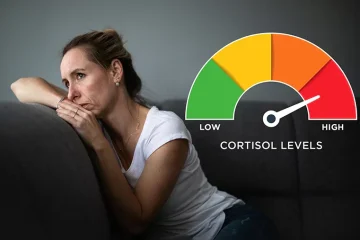
7. Stress and Gut-Brain Connection
Your gut and brain are closely linked.
Stress can:
- Slow digestion
- Alter gut bacteria
- Increase sensitivity to gas
That’s why bloating sometimes worsens during high-stress periods.
How to Reduce Bloating Naturally
Here are simple, effective strategies:
✔ Eat slowly and mindfully
✔ Stay hydrated
✔ Reduce carbonated drinks
✔ Limit excess salt
✔ Try gentle movement (walking helps!)
✔ Identify food triggers
✔ Consider probiotics (if recommended by a professional)
If bloating is persistent, painful, or accompanied by weight loss or severe symptoms, consult a healthcare provider.
When Is Bloating a Red Flag?
Occasional bloating is normal.
However, seek medical advice if you experience:
- Severe or persistent pain
- Unexplained weight loss
- Blood in stool
- Ongoing diarrhea or constipation
- Bloating that doesn’t improve
These could signal underlying conditions like IBS, celiac disease, or other digestive disorders.
FAQs
1. Is bloating normal every day?
Mild bloating can be normal, especially after meals. Daily severe bloating may indicate food intolerance, IBS, or other digestive issues.
2. Why do I look pregnant by the end of the day?
This is often due to gas build-up and slowed digestion throughout the day. Hormones and sodium intake can also contribute.
3. Does drinking water help bloating?
Yes. Proper hydration helps digestion and reduces water retention caused by excess sodium.
4. Are probiotics good for bloating?
They can help some people by balancing gut bacteria, but results vary depending on the individual and the strain used.
5. Can stress cause bloating?
Absolutely. Stress affects digestion through the gut-brain axis and can worsen bloating symptoms.
6. How long should bloating last?
Temporary bloating usually resolves within a few hours. If it persists for days or becomes painful, seek medical advice.
Conclusion
Bloating is common but that doesn’t mean you have to live with constant discomfort.
Understanding the root cause is key. For most people, small changes in diet, eating habits, and stress management can make a significant difference.
If bloating is frequent or severe, it’s always best to speak with a healthcare professional to rule out underlying conditions.